1939: Seven Years by Kayak from Germany to Australia, Then Arrested the Moment He Landed

Oskar Speck left Hamburg on May 13, 1932, paddling an 18 foot Faltboot, a folding kayak made of rubber and canvas, carrying five gallons of water, a small movie camera and a Mauser pistol. His route ran down the Danube, across the Mediterranean, overland to the Euphrates, down the Persian Gulf and on through Baluchistan and India, surviving on water mixed with condensed milk, cheese and chocolate, and once covering 90 miles in a single 65 hour stretch without leaving the boat.

In 1933, while at Alexandretta, he received a telegram from the Nazi government ordering him home now that “the Fuehrer is here”; he ignored it and kept paddling. He was reported dead more than once along the way, including after a close call with a shark in the Persian Gulf: “They thought the sharks had got me,” he later said, “but I am still here.”

After roughly seven years at sea, Speck finally reached Thursday Island in the Torres Strait, only to be arrested on arrival and interned as an enemy alien, World War II having begun just three weeks earlier. He spent the next six years locked up in prisoner-of-war camps across Australia.
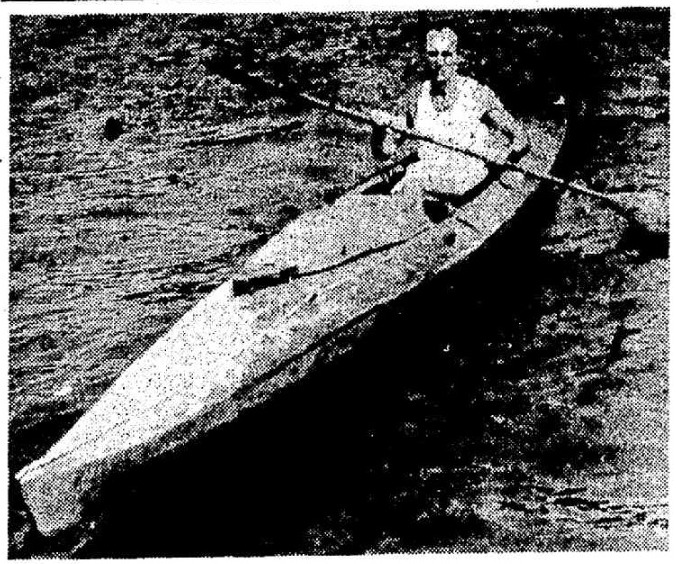

Oskar Speck Arrested

⬅ See all events from 20 September

Spread the word on your favourite platform!

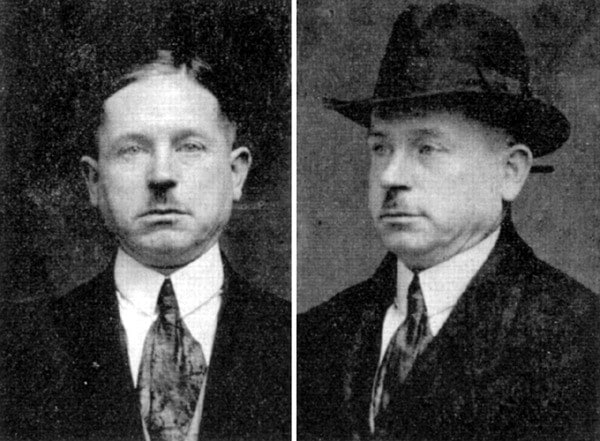
1929: The Vampire of Dusseldorf Kills Two Foster Sisters at a Fairground

Peter Kurten, known as the Vampire of Dusseldorf, murdered two young foster sisters at a fairground on 23 August 1929, in one of a string of attacks that terrorised the city throughout that year. Born in Cologne in 1883, the eldest of 13 children, Kurten endured a childhood of brutal poverty and domestic terror, and had already demonstrated violent and sadistic tendencies from boyhood, including drowning two playmates on the Rhine at the age of nine.

His killing spree in 1929 left Dusseldorf gripped by fear. He was eventually arrested, tried, and convicted of nine murders, though police suspected him in as many as 68 attacks. His victims were overwhelmingly women and girls. He was executed by guillotine in July 1931. Shortly before his death, he asked the prison psychiatrist whether he would still be able to hear his own blood gushing from his neck after the blade fell. When told his brain might function for a few seconds, Kurten replied: ‘That would be the pleasure to end all pleasures.’

Peter Kürten police mugshot, 1931. Photographer unknown; Wikimedia Commons, CC BY-SA 3.0.

⬅ See all events from 23 August

Spread the word on your favourite platform!
On This Day in True Crime History
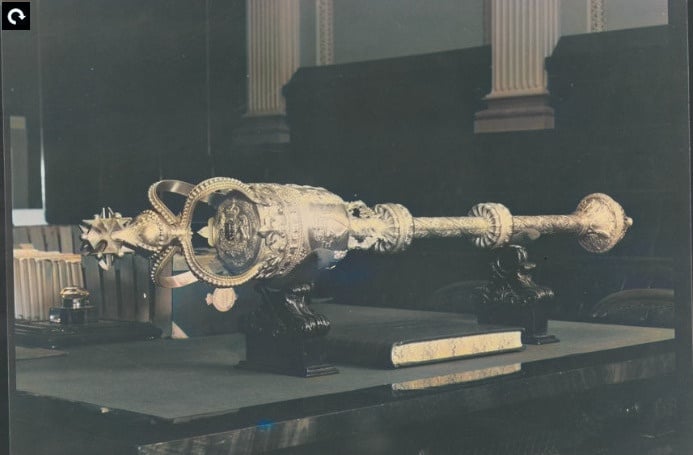
1891·The Mace, the Madam, and a Melbourne Scandal That Never Died
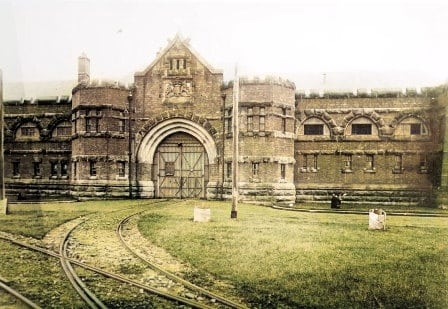
1959·Through a Chapel Ventilator: the Sydney Jailbreak That Triggered Australia's Biggest Manhunt
More Crime On This Day →

Subscribe to Dark Stories

True crime stories, dark history and tour news, straight to your inbox.