1859: The First White Man Hanged in Perth for Killing an Aboriginal Man

Richard Bibby was a hutkeeper at a station in the Victoria district when he decided to kill Billamarra, an Aboriginal man camped near his own hut, so near that he was said to be under Bibby’s protection. He announced his intention the night before, loaded his pistol, and before dawn woke his sleeping victim only to shoot him dead. Bibby claimed Billamarra had stolen lambs, but witnesses showed the missing lambs had simply been mauled by native dogs; another man watching in secret saw the whole killing.

Tried and condemned at the Quarter Sessions, Bibby became the first white man executed in Perth, and in the colony, for murdering an Aboriginal person. Strong appeals were made for mercy, but his cold, premeditated planning and a past conviction for robbery with violence counted against him. The hanging itself was botched, the rope poorly adjusted, and he struggled visibly on the rope before dying.

Bibby privately confessed his guilt to the prison chaplain, yet on the scaffold, asked if his sentence was just, he answered that if the truth had been told he would not have been there.
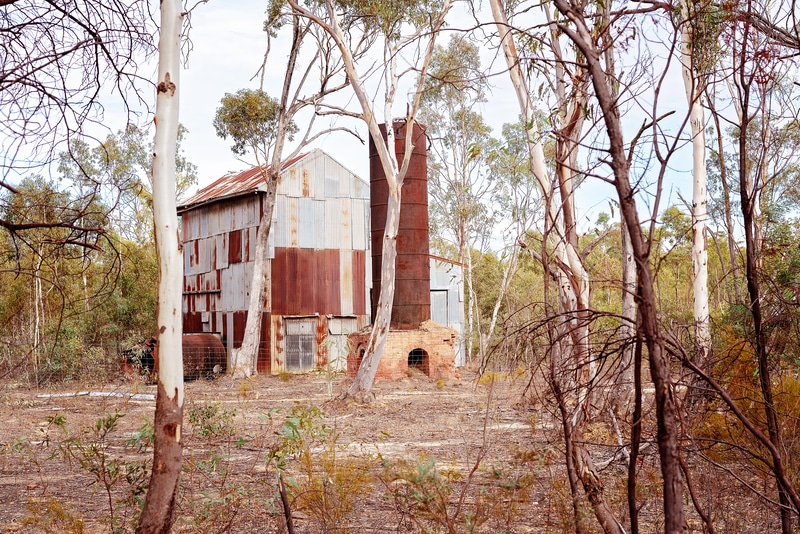

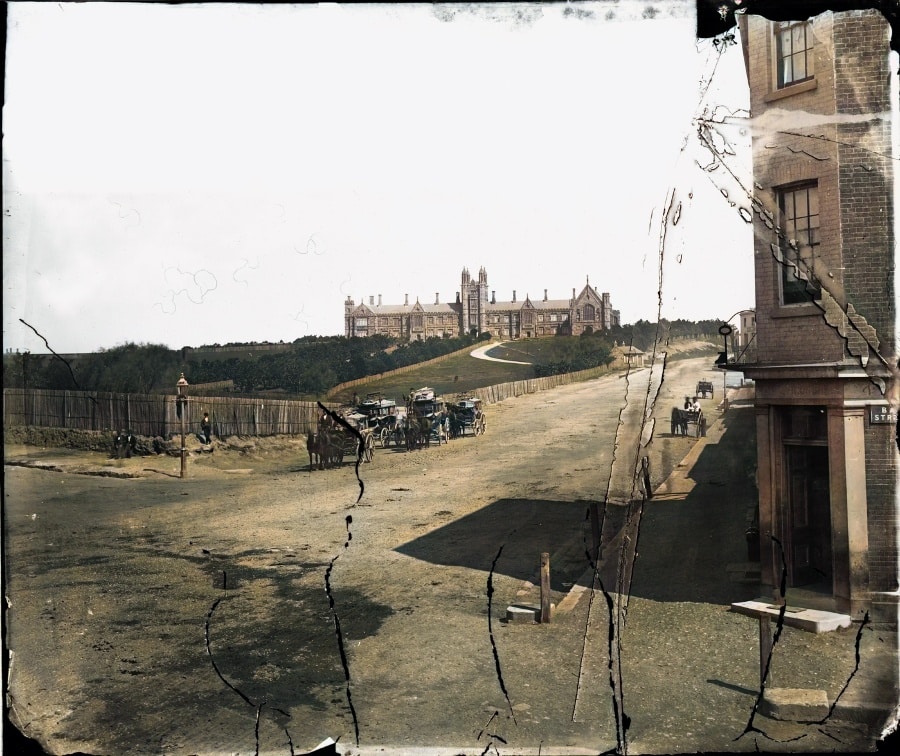
Disused shed with kiln and chimney stack in dry Australian bush

⬅ See all events from 17 October

Spread the word on your favourite platform!

1861: Without Seeking Permission: the Settler Camp Behind the Cullin-la-Ringo Massacre

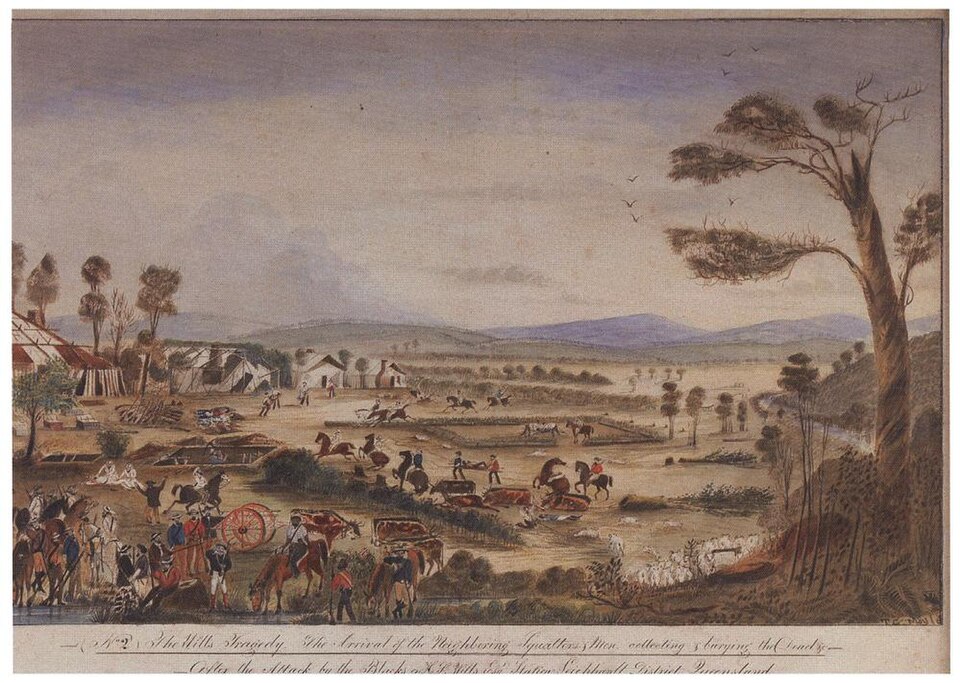
In October 1861 the politician Horatio Wills led an enormous settler train, more than 10,000 sheep and a line of bullock wagons, onto Gayiri land in Central Queensland to establish a cattle station at Cullin-la-ringo, without seeking permission from the people whose country it was. Tensions were already high: a neighbouring squatter had wrongly accused Gayiri men of stealing cattle and had several killed over it.

On 17 October, Aboriginal people who had been passing through the camp all day attacked, killing nineteen of the twenty-five settlers present, including Wills himself. Only a handful escaped, among them his teenage son Tom Wills, later a celebrated cricketer and co-founder of Australian rules football.

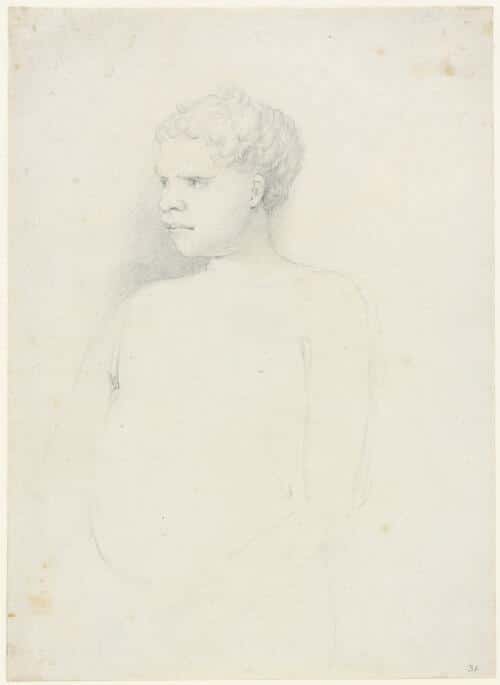
The arrival of the neighbouring squatters and Mon collecting and burying the dead. By T.G.Moyle: 1861

⬅ See all events from 17 October

Spread the word on your favourite platform!

1826: The Gun That Misfired Twice: Three Bushrangers Hanged Outside Sydney

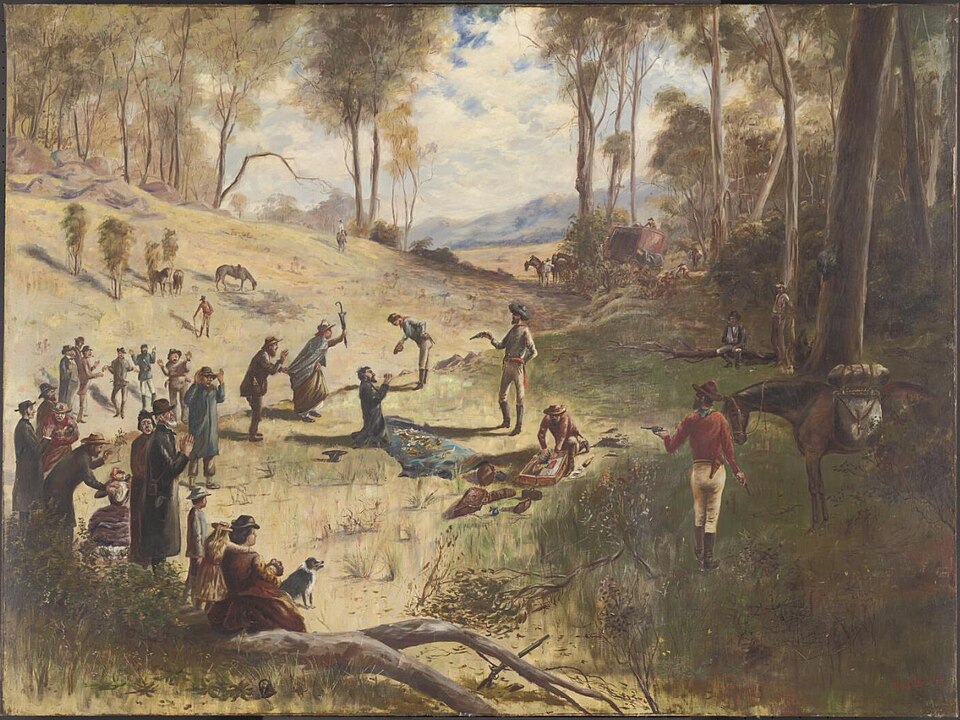
At a settler’s hut near Burwood, outside Sydney, bushranger Thomas Mustin levelled a loaded musket point-blank at a visiting neighbour, and pulled the trigger. It merely flashed in the pan; he drew a pistol, and that misfired too, and in the scuffle that followed Mustin and his companions escaped briefly into the bush.

Mustin, Daniel Watkins and John Brown were convicted over this attack and a string of armed robberies around Burwood and the Liverpool Road, including one household where the terrified wife recognised Brown as a former constable but was too afraid to say so.

On 16 October 1826 the three were marched from Sydney Gaol under military escort. All three acknowledged the justice of their sentence on the scaffold and prayed for mercy, offering no claim of innocence. They hanged together on a temporary gallows at Burwood, and their bodies were left on display throughout the day.

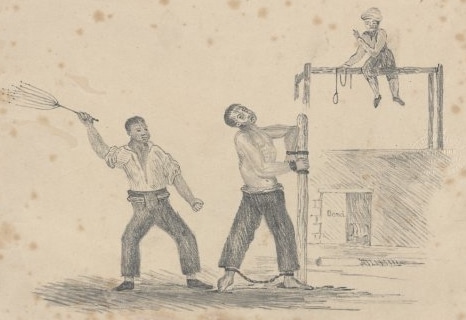
Bushrangers holding up coach passengers illustrated scene

⬅ See all events from 16 October

Spread the word on your favourite platform!

1826: Sullivan Gang Bushrangers Hanged Near Parramatta, One Sobbing to the Last

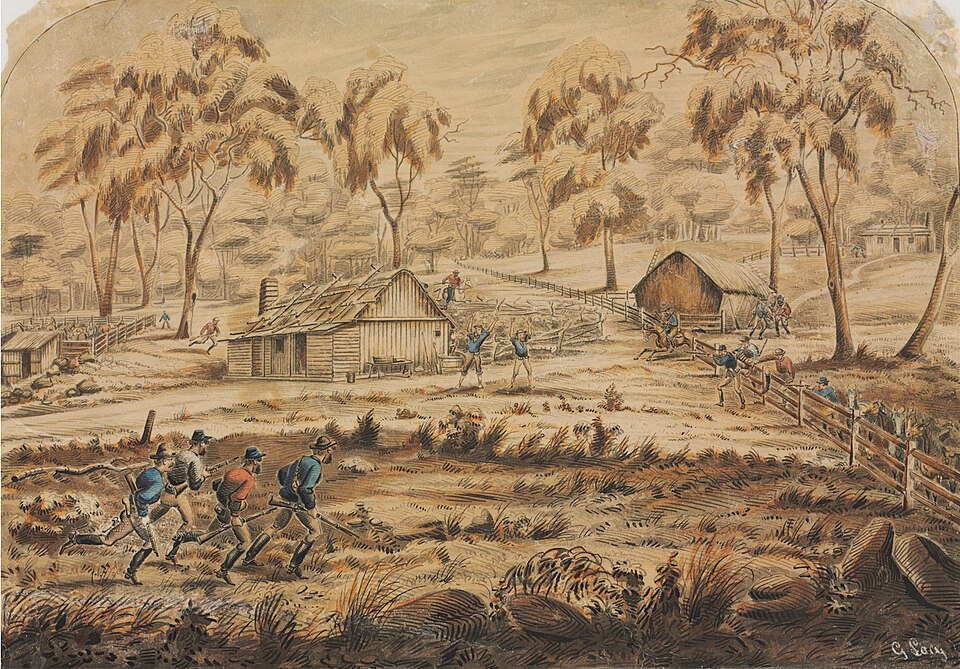
Matthew Craven and Thomas Cavanagh rode with a bushranging gang led by Patrick Sullivan that terrorised stations around Bathurst for half a year, robbing homesteads, stealing horses and holding settlers at gunpoint. Captured after a shootout at a bark hut, the pair pleaded guilty at trial to burglary and theft and were sentenced to hang.

On 16 October 1826 they left Sydney Gaol with three other condemned men bound for Burwood, where they were hanged before a large crowd that morning. Straight afterwards, the two men, Craven and Cavanagh travelled further on on to the Western Road near Parramatta, arriving about noon to face their own gallows.

Witnesses said their contrition was conspicuous; Craven, described as barely twenty, reportedly hung his head and sobbed bitterly as the ropes were fitted.

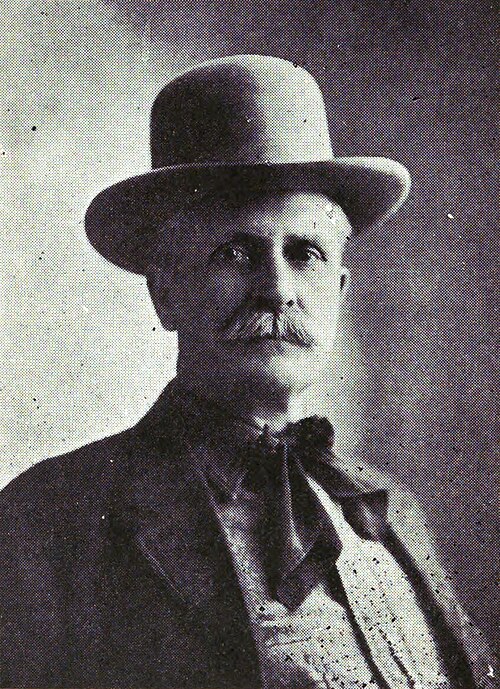
Bushrangers in action: Water colour drawing created by George Lacy 1867

⬅ See all events from 16 October

Spread the word on your favourite platform!
On This Day in True Crime History

Subscribe to Dark Stories

True crime stories, dark history and tour news, straight to your inbox.