1892: “The Only Man on the Station That I Liked”: Hanged in Brisbane for a Torres Strait Murder

Charles Gleeson was cook at a shelling station on Prince of Wales Island in the Torres Strait, and Patrick McKiernan, by his own later account, was the only man there he actually liked. That did not stop him shooting McKiernan dead with a stolen shotgun one Wednesday morning that May, then wandering the bush armed until Water Police talked him into surrendering, backed by a settler on horseback who held him at gunpoint.

Gleeson was quiet and composed when brought before a magistrate, offering no reason for the killing. He was convicted and hanged in Brisbane on 24 October 1892, sharing the scaffold with William Moncado, condemned separately for the murder of a ship’s boy at Thursday Island; witnesses said Gleeson twitched convulsively for ten minutes before he died.

“Poor Paddy, the only man on the station that I liked, and now I have shot him,” he said when shown the body, the closest thing to an explanation he ever gave.
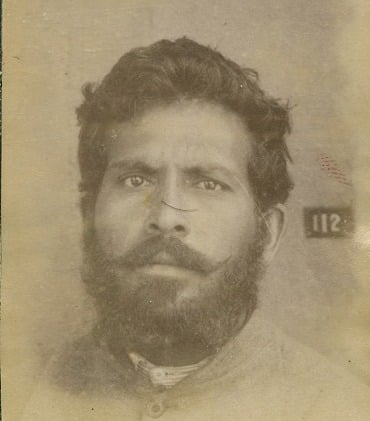

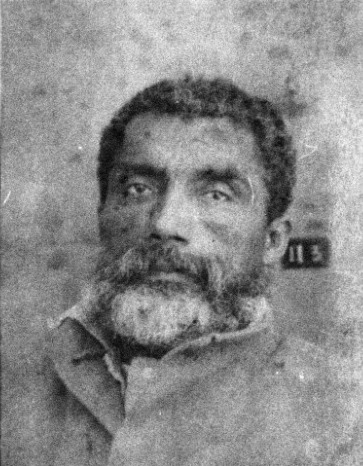
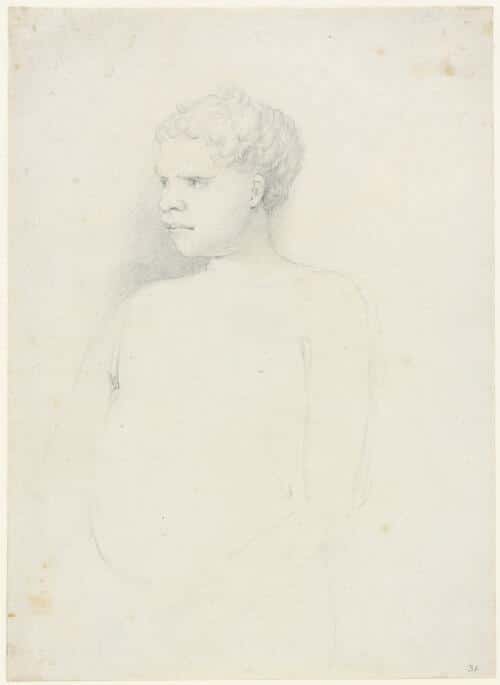
Charles Gleeson in custody: Queensland State Archives, Item ID ITM2947

⬅ See all events from 24 October

Spread the word on your favourite platform!

1892: A Mutilated Body in a Trunk: Sailor Hanged in Brisbane for Murder at Sea

Leonardo Moncado was a Chilean sailor aboard the trading schooner Sketty Belle when he killed a young cabin hand known as Bob during a voyage off Thursday Island. No trace of the victim was ever found except a mutilated portion of his body, discovered stuffed inside Moncado’s own trunk. One crewman who witnessed the victimes final moments stayed silent for months, having been threatened by Moncado, and only told police the truth once Moncado was committed for trial.

Moncado was convicted of murder and hanged in Brisbane on this day in 1892, attended on the scaffold by a Catholic priest.

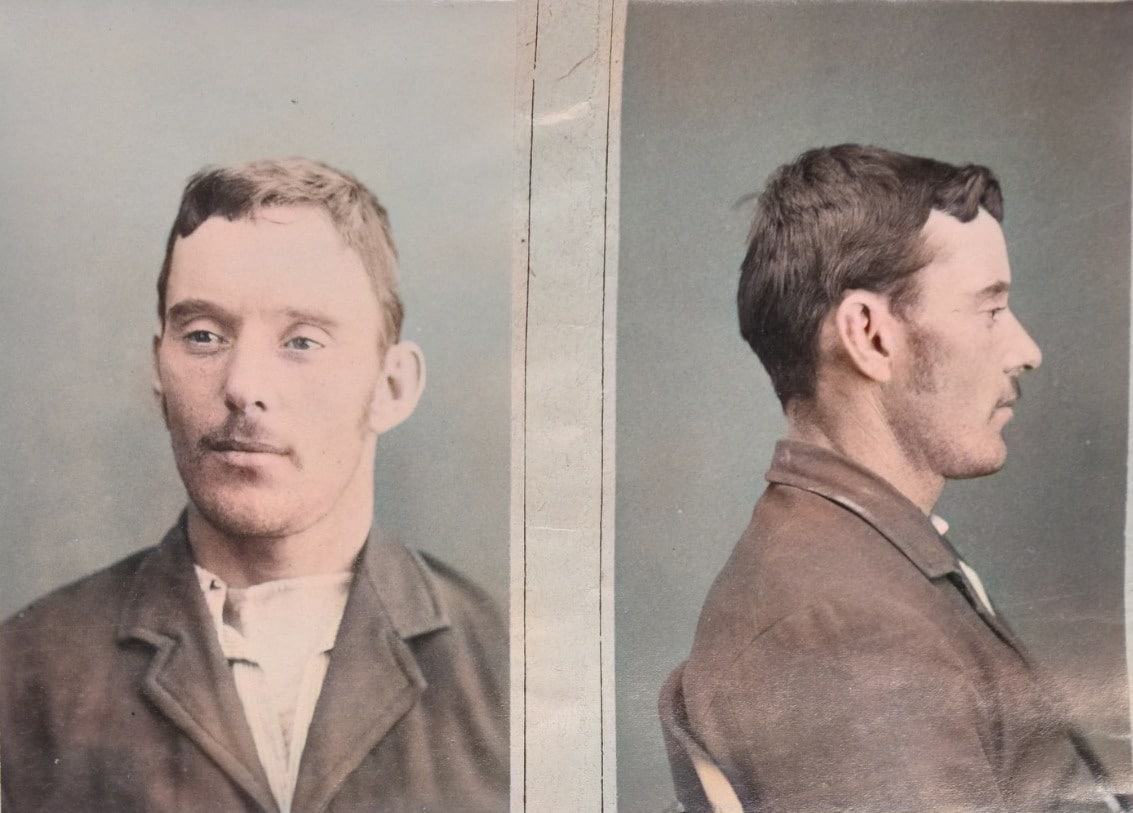
Leonardo Moncado in custody: Queensland State Archives, Item ID ITM2947

⬅ See all events from 24 October

Spread the word on your favourite platform!

1895: George Dean, Pardoned for Poisoning His Wife, Convicted of Perjury in Sydney

George Dean, captain of a Sydney harbour ferry celebrated for pulling drowning passengers from the water, was sentenced to death in 1895 for poisoning his wife, Mary, with arsenic and strychnine hidden in lemon syrup and tea. No one could prove he had ever bought the poison, and a public outcry over the verdict forced a Royal Commission, which found the evidence wanting; Dean walked free with a pardon that June.

The relief did not last. His own lawyer admitted to a former Chief Justice that Dean had privately confessed his guilt, and a North Shore chemist came forward swearing he had sold Dean the poison himself, with no entry ever made in the sale book. Dean was arrested again and confessed in writing.

On 24 October 1895 he was convicted of making a false declaration and sentenced to five years. The following day a second conviction, for perjury committed to procure his own acquittal on the capital charge, added fourteen years, the terms to run concurrently.

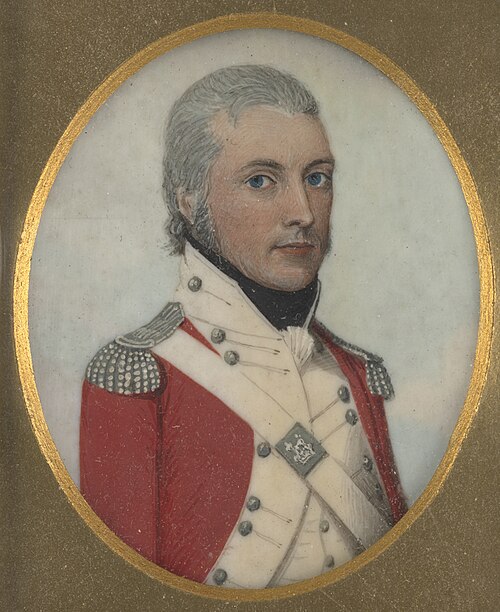
George Dean lemon syrup case. Prison photograph. Credit: Museums of History NSW, State Archives Collection.

⬅ See all events from 24 October

Spread the word on your favourite platform!

1884: He Helped Murder a Policeman, Then Willed His Estate to the Widow

Thomas Carbury and an accomplice, Andrew Miller, were arrested for drunkenness in a small Western Australian town, and Constable Patrick Hackett refused to return the new clothing found in their swag, worth about £20, until they explained how they had got it. Released that evening, the pair bludgeoned and stabbed him to death on 12 September 1884; the hammers used on him turned up cleaned but still blood-stained, quietly returned to the local blacksmith’s shop.

Police hunted the two men for a week. Cornered in a shootout, Miller was fatally wounded and confessed with his dying breath that “both Carbury and myself killed him.” Carbury fled but was soon tracked down and arrested, reportedly carrying a bottle of strychnine, as if hoping to cheat the gallows.

Awaiting execution in Perth, Carbury made a will leaving his savings, horses and stock of cut sandalwood entirely to Hackett’s widow. He never once spoke his victim’s name, calling him only “that man,” and said he wanted everything he owned “to go to the benefit of the child of that man.” He was hanged in Perth on this day in 1884, so overcome with terror that two constables had to carry him to the scaffold.

He had earlier acknowledged his guilt to the prison chaplain, though he never explained why he and Miller had killed Hackett.

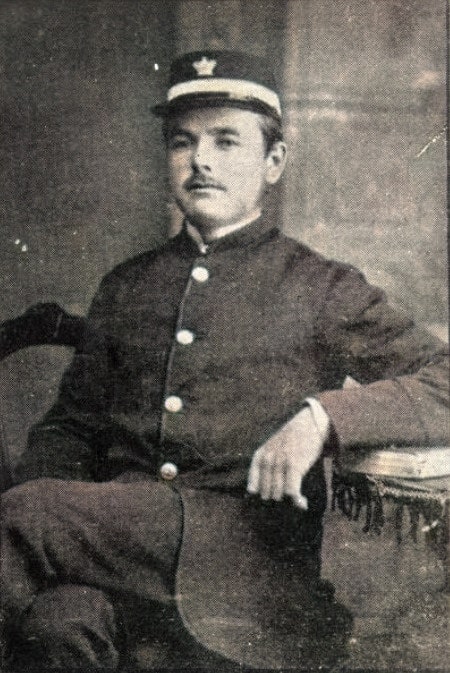
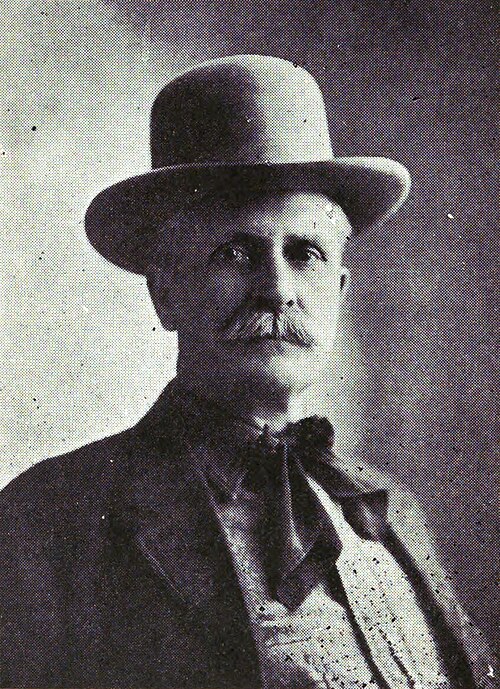
Portrait of police Corporal Evan Williams Western Australia

⬅ See all events from 23 October

Spread the word on your favourite platform!
On This Day in True Crime History

Subscribe to Dark Stories

True crime stories, dark history and tour news, straight to your inbox.