1906: A Bolting Horse Led Police to a Murder: Hanged in Adelaide.

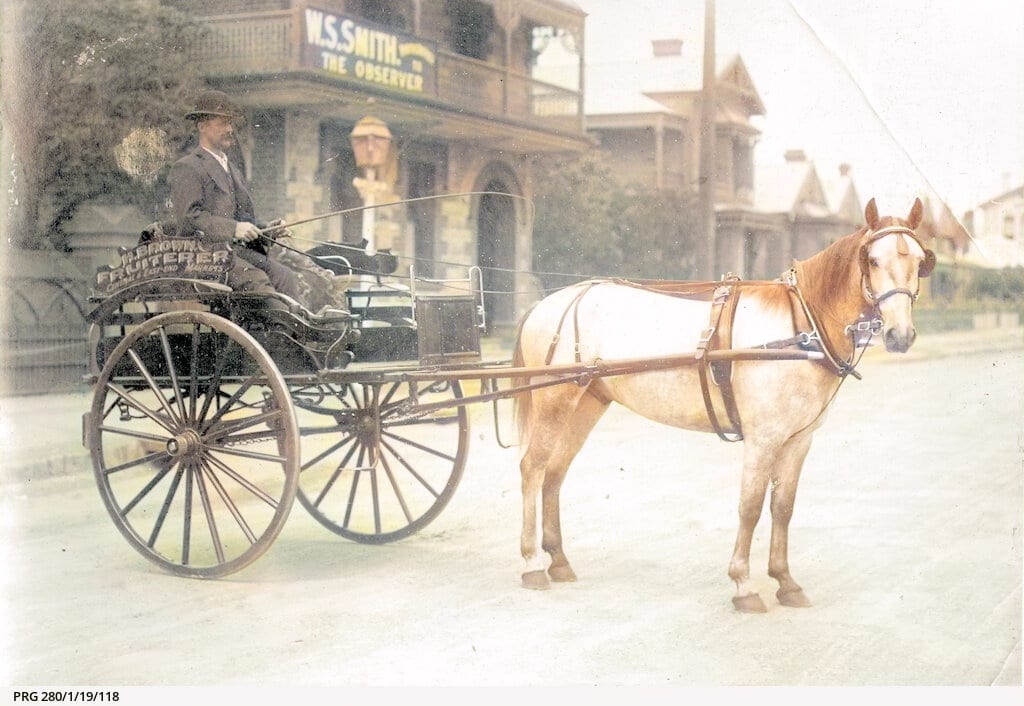
Notella Habibulla thought a bolting horse was just bad luck. Instead it hanged him. On the night of 12 August 1906 a blood-soaked pony and buggy careered driverless through Adelaide and crashed outside his mother-in-law's house, with a mat and a shirt in the tray soaked in blood. Habibulla told police the horse had simply bolted from the bridge; detectives thought otherwise.

A search of his Bristol Street home turned up a pool of blood in the yard, drag marks to the gate, and his wife Edith's torn clothing hidden beneath the bed. When police dragged the nearby river, they pulled up two severed legs in a sugar sack, and days later the rest of her dismembered body.

A jury convicted Habibulla of her murder, though they added a recommendation for mercy. It made no difference: he was hanged in Adelaide on this day in 1906, two visiting priests reciting prayers of his own faith as he walked to the scaffold.

Facing death, Habibulla told the gaol governor he was unafraid: "A man can only die once; but I should like to have lived."

A Bolting Horse Led Police to a Murder: Hanged in <a href='https://darkstories.com.au/adelaide-true-crime-tour/' target='_blank' rel='noopener noreferrer'>Adelaide</a>.

⬅ See all events from 16 November

Spread the word on your favourite platform!

1946: "Let Me Put the Poor Man Out of His Misery": A Timber Camp Killer Hanged in Adelaide

Charles O'Leary spent 6 July 1946 drinking heavily near Mount Gambier, beating two other men unconscious at a sawmill camp before dawn. When he found Walter "Spoggy" Ballard's bed ablaze with Ballard moaning inside, O'Leary knelt over him cutting away his burning clothes, his own arms already smeared with Ballard's blood, and begged a workmate for an axe, saying he wanted to "put the poor man out of his misery."

Convicted after a two-day trial, he was hanged in Adelaide on 14 November 1946. He had passed his months in custody reading an encyclopaedia of American presidents, troubled only that the entries for two of them were missing, and he walked to the gallows smiling, turning to his guards to say "Thank you, gentlemen" before the drop.

At trial O'Leary insisted he had never touched Ballard, but when sentenced to death he told the court he wanted no concessions and was "quite prepared to pay the full penalty."

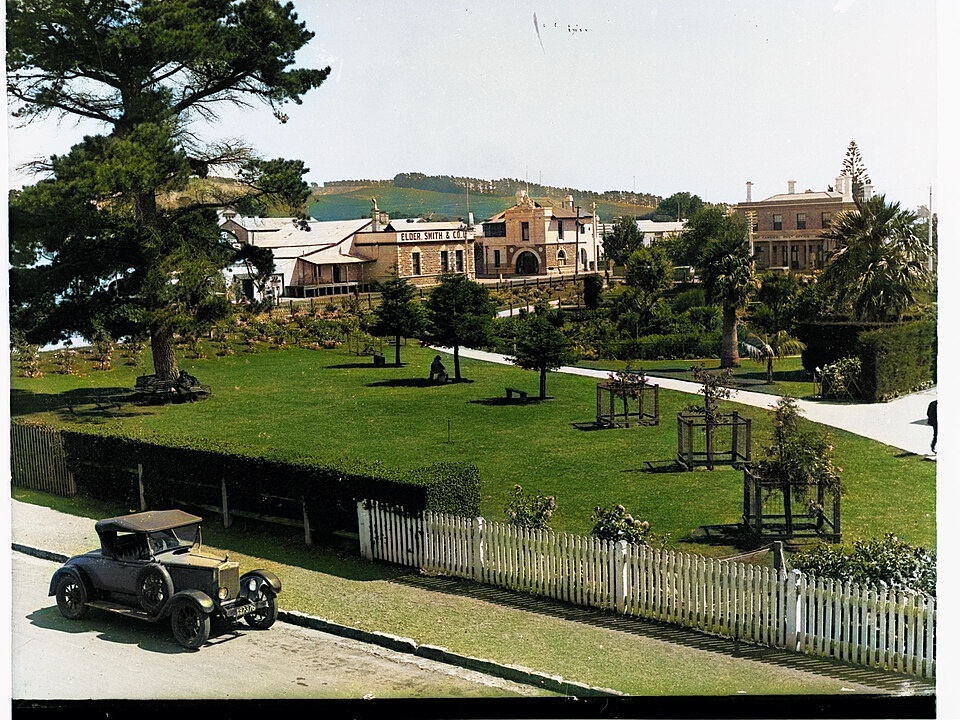
Mount Gambier pre 1950s

⬅ See all events from 14 November

Spread the word on your favourite platform!

1929: She Asked for a Kiss, Then Bled to Death: Frederick Carr Hanged in Adelaide for Murdering His Wife

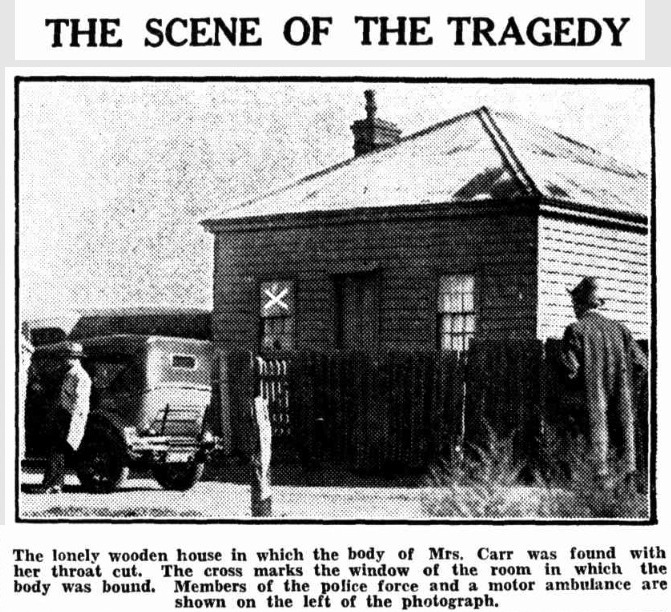
On the evening of 28 June 1929, Maude Carr walked into the police station near her home at Birkenhead, outside Adelaide, and asked if she could sleep in a cell. There was only one, kept clear for emergencies, so she was turned away. Hours later she was dead in the isolated weatherboard house she shared with her husband, Frederick Carr, her throat cut almost from ear to ear.

Carr's account was that he had woken to find his wife leaning over his shoulder asking for a kiss, then felt something wet. He ran to a neighbour's house drenched in blood, shouting that she had cut her own throat. A jury was not convinced: after five days of evidence they found him guilty of murder, though they added a recommendation for mercy.

Frederick Carr was hanged in Adelaide on this day in 1929, despite union campaigns pleading for his sentence to be commuted. He shook hands with gaol officials and walked calmly to the scaffold.

He denied the killing to the end, declaring from the condemned cell, "The law requires my body, but it cannot have my soul, as I am innocent."

Wooden house where Mrs Carr body found police and motor ambulance outside

⬅ See all events from 12 November

Spread the word on your favourite platform!

1883: Not Afraid: Mah Poo Hanged in Adelaide for the Murder of Tommy Ah Fook

Tommy Ah Fook ran a shop on Adelaide's Hindley Street, where his cook, Mah Poo, lived alongside two other employees. Last seen locking up after midnight, Ah Fook vanished, and when nightmen cleaning out his cesspit two days later found his body crammed inside, dead from a gunshot to the head, suspicion fell straight onto the cook. Mah Poo had turned up for work the next morning in his best clothes, wearing his dead employer's scarf pin, and carrying bundles of laundry he could never account for; he had also bought a revolver and ammunition weeks earlier, and bank staff later traced Ah Fook's missing takings to a deposit made under a false name.

The case against him was entirely circumstantial but convincing. After five days of testimony a jury took only twelve minutes to convict him, and he was sentenced to hang in Adelaide. He was executed there on 10 November 1883, walking to the scaffold calmly and climbing its steps unaided.

Days before his death Mah Poo signed a full confession admitting he alone shot Ah Fook after enduring constant abuse from him, and told his gaolers without a trace of fear, "Me shoot Tommy, he die; you hang me, me die; me no 'fraid."

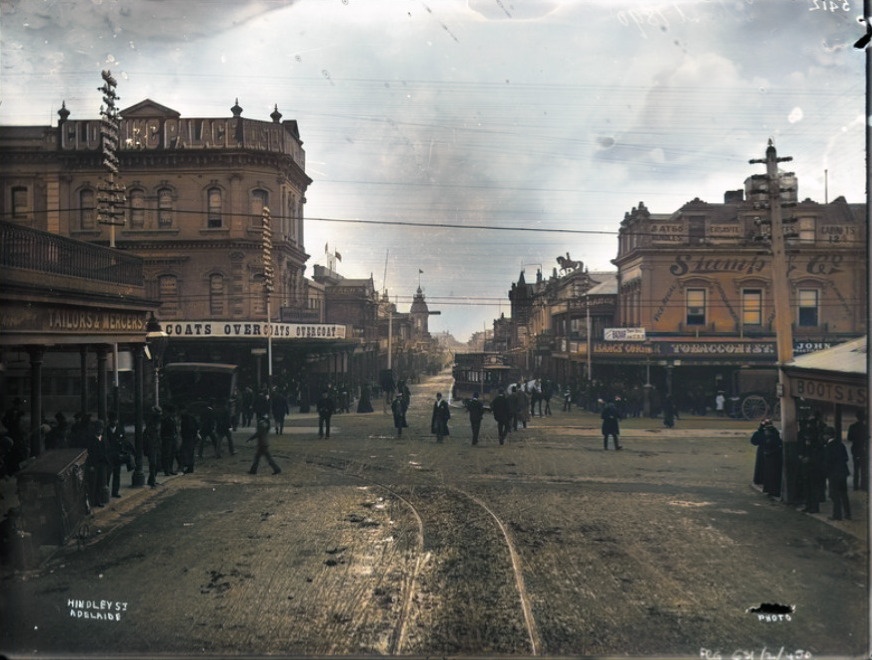
Looking west along Hindley Street from King William Street, Adelaide, c. 1891, eight years after the murder of shopkeeper Tommy Ah Fook. Ernest Gall, photographer. State Library of SA

⬅ See all events from 10 November

Spread the word on your favourite platform!
On This Day in True Crime History

Subscribe to Dark Stories

True crime stories, dark history and tour news, straight to your inbox.