1786: Britain Decides to Dump Its Criminal Class on the Far Side of the World

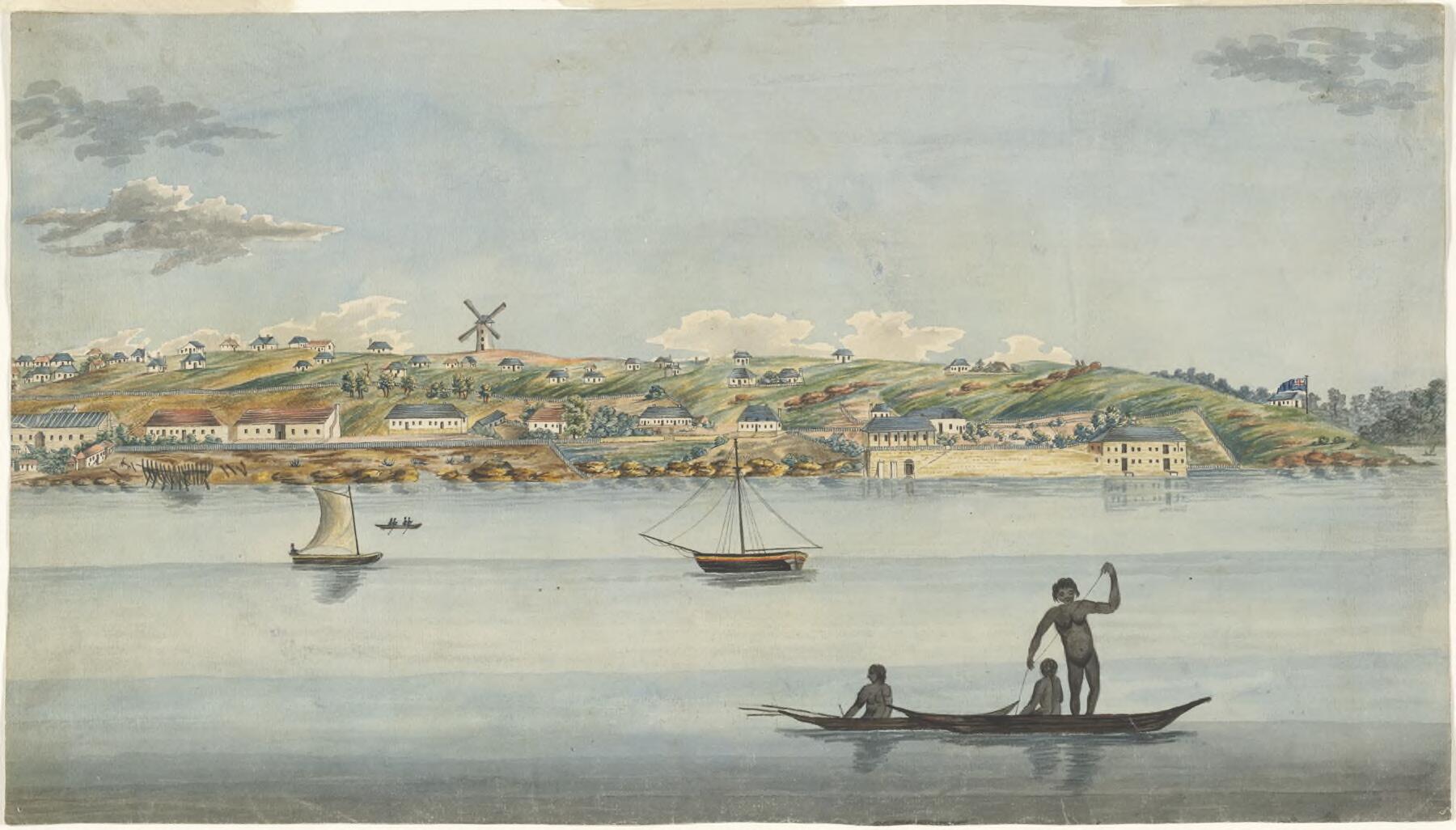
In 1786, Britain faced a crisis of its own making. Decades of the so-called bloody code had swollen the criminal class with petty offenders, American independence had slammed shut the old dumping ground of the colonial plantations, and the gaols were bursting. The solution settled upon was audacious: ship Britain's unwanted more than 15,000 miles to New South Wales, a coastline only recently mapped by Captain Cook, who had praised the land around Botany Bay.

Over the next 80 years, more than 160,000 men and women were transported to Australia and Van Diemen's Land. Transportation meant total erasure: the loss of home, family, and identity, followed by a brutal sea crossing and survival in an utterly foreign land. Yet for many, the far side of the world offered something the old country never would: a second chance.
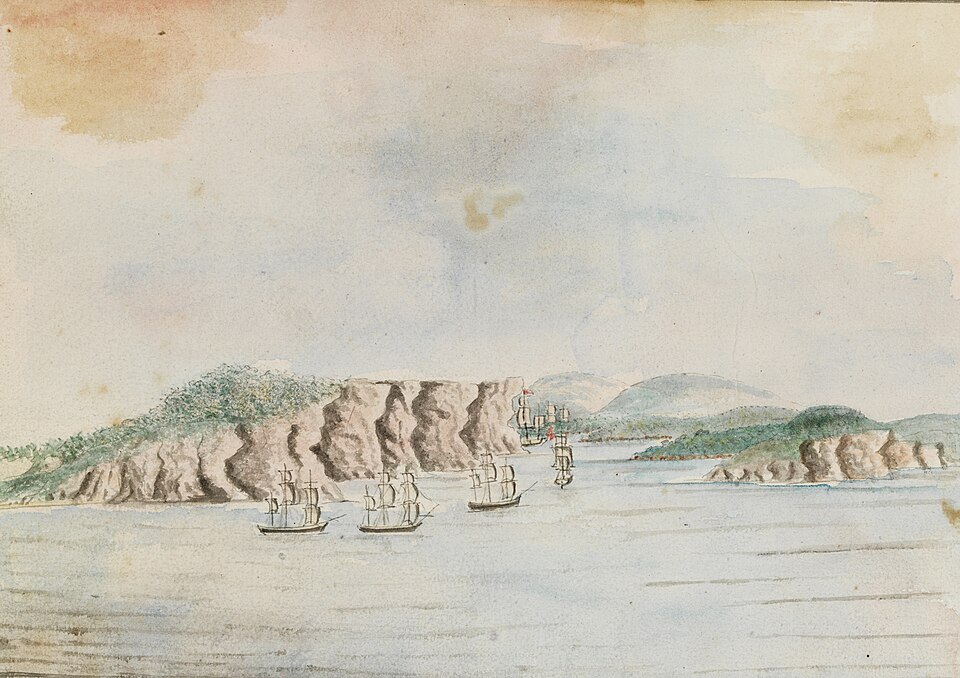

First Fleet ships entering Sydney Harbour 1788 illustration

⬅ See all events from 18 August

Spread the word on your favourite platform!

1820: Rebecca Worlock Hanged at Gloucester Prison for Poisoning Her Husband

Rebecca Worlock, a 37-year-old mother of three from Oldland and Bitton in Gloucestershire, poisoned her husband Thomas with arsenic in April 1820. She had purchased the poison from a pharmacy at Kingswood Hill, telling a stranger she had enlisted to accompany her that it was not for rats but for her husband. Thomas died on 21 April after falling ill following a beer laced with the substance; a post-mortem confirmed poisoning and Rebecca was arrested.

Tried at Gloucester Assizes on 14 August 1820, the jury convicted her in just seven minutes. She was hanged at Gloucester Prison two days later, on 16 August, before a large crowd that had travelled from her home villages. Her body hung for an hour before being handed over to surgeons for dissection.

Worlock confessed to the murder before her execution.

Poison
Poison

⬅ See all events from 16 August

Spread the word on your favourite platform!

1963: Henry Burnett Hanged at Craiginches Prison, the Last Execution in Scotland

On August 15, 1963, Henry John Burnett was hanged at Craiginches Prison in Aberdeen by executioner Harry Allen, becoming the last person executed in Scotland and the first in Aberdeen since 1891. His crime: the murder of merchant seaman Thomas Guyan, shot in the face at close range after Burnett broke into the Guyan family flat on May 31, 1963, furious that his lover Margaret May Guyan had chosen to return to her husband.

Burnett had become obsessively controlling of Margaret, locking her in his flat at Skene Terrace when he went out. On the day of the murder, after she announced she was returning to Thomas, Burnett stole a shotgun from his brother's home in the Bridge of Don area of Aberdeen, boarded a bus to Jackson Terrace, and shot Guyan dead. He was tried at the High Court in Aberdeen between July 23 and 25, 1963, convicted, and executed three weeks later. A crowd of around 200 gathered outside the prison gates.

Scotland flag
Scotland flag

⬅ See all events from 15 August

Spread the word on your favourite platform!

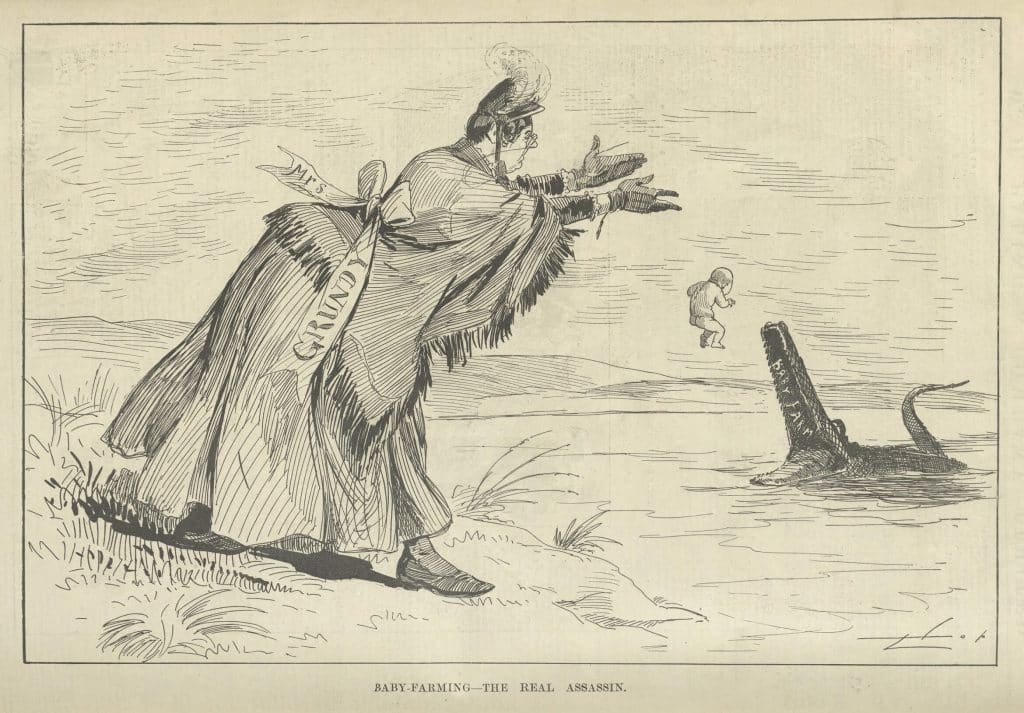
1907: Baby Farmer Rhoda Willis Hanged on Her Birthday at Cardiff Prison

Rhoda Willis, also known as Leslie James, was a baby farmer convicted of murdering the illegitimate infant of Maud Treasure. She had undertaken to adopt and raise the child for six pounds, but the infant was found suffocated, wrapped in a parcel, in her bed at a Cardiff lodging house. Willis was sentenced to death at Glamorgan Assizes and executed by hanging at Cardiff Prison on 14 August 1907, carried out by brothers Henry and Thomas Pierrepoint. She was the only woman hanged in Wales in the 20th century and the last baby farmer to be executed in Britain.

Born in Sunderland in 1867, Willis was 40 years old on the day of her death. She had received a first-class education, spoke several languages, and had lived in Cardiff for years following the death of her husband. The night before her execution, she confessed to her solicitor that she had wilfully killed the baby on the train. She met her fate, according to witnesses, calmly and without incident.

In a letter written shortly before her execution, Willis expressed deep remorse, wrote that she had never before appreciated the singing of the birds or the beauty of sunshine as much as in her final days, and expressed confidence that God would pardon her sins.

Mrs. Grundy, an icon of Victorian respectability-Victorian baby farming era

⬅ See all events from 14 August

Spread the word on your favourite platform!
On This Day in True Crime History

Subscribe to Dark Stories

True crime stories, dark history and tour news, straight to your inbox.