1892: The Axe Murders That Made Lizzie Borden Infamous

On the morning of 4 August 1892, Andrew Borden and his wife Abby were found hacked to death in their home in Fall River, Massachusetts. Andrew, a self-made millionaire with an estate valued at $300,000, had built his fortune through furniture, property, and banking, yet kept a famously frugal household. Suspicion fell almost immediately on his younger daughter, Lizzie, a churchgoing Sunday school teacher and temperance advocate.

Lizzie Borden was tried for the axe murders of her father and stepmother and acquitted, with no one else ever charged. She spent the rest of her life in Fall River, dying of pneumonia in 1927 at age 66. The case never left the public imagination, inspiring films, plays, literary works, and one of the most enduring folk rhymes in American criminal history.


Portrait of Lizzie Borden 1890

⬅ See all events from 4 August

Spread the word on your favourite platform!

2002: Ian Huntley Lures Two Girls Into His Home and Murders Them

Ian Huntley, a caretaker at Soham Village College in Cambridgeshire, England, murdered ten-year-olds Holly Wells and Jessica Chapman on 4 August 2002. Despite a history of sexual offending involving minors, Huntley had secured a position at the school. He used his girlfriend Maxine Carr's connection to the girls, both pupils at the local primary school where Carr worked as a teaching assistant, to lure them inside his home as they walked past.

Carr provided Huntley with a false alibi for that night. Both were later arrested and tried. Huntley was convicted of double murder in 2003 and sentenced to two life terms. Carr was convicted of perverting the course of justice and served a portion of her sentence before release under a new identity.

Ian Huntley Lures Two Girls Into His Home and Murders Them

⬅ See all events from 4 August

Spread the word on your favourite platform!

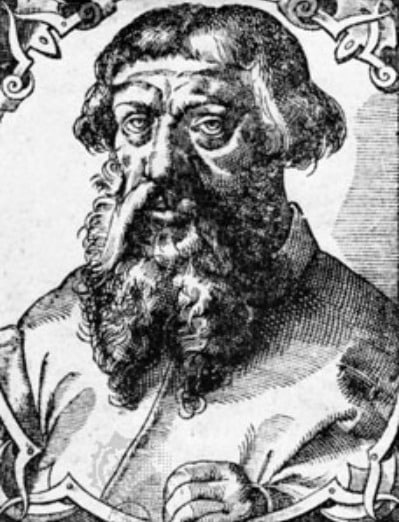
1546: Scholar and Printer Etienne Dolet Hanged and Burned for Heresy in Paris

Etienne Dolet, born in Orleans in 1509, was a French scholar, translator and printer whose humanist convictions put him on a collision course with the French Inquisition. Educated at Padua and Toulouse, he built a reputation as a gifted orator and a defiant critic of religious orthodoxy. His publications in Lyon drew the close attention of inquisitorial authorities, and after several periods of imprisonment, the combined forces of the parlement of Paris, the Inquisition, and the Sorbonne secured his conviction for heresy, blasphemy and sedition.

On 3 August 1546, his 37th birthday, Dolet was hanged and burned alongside his books on the Place Maubert in Paris. He is remembered today as a martyr for freedom of speech and freedom of the press.

16th century engraving portrait of Etienne Dolet

⬅ See all events from 3 August

Spread the word on your favourite platform!

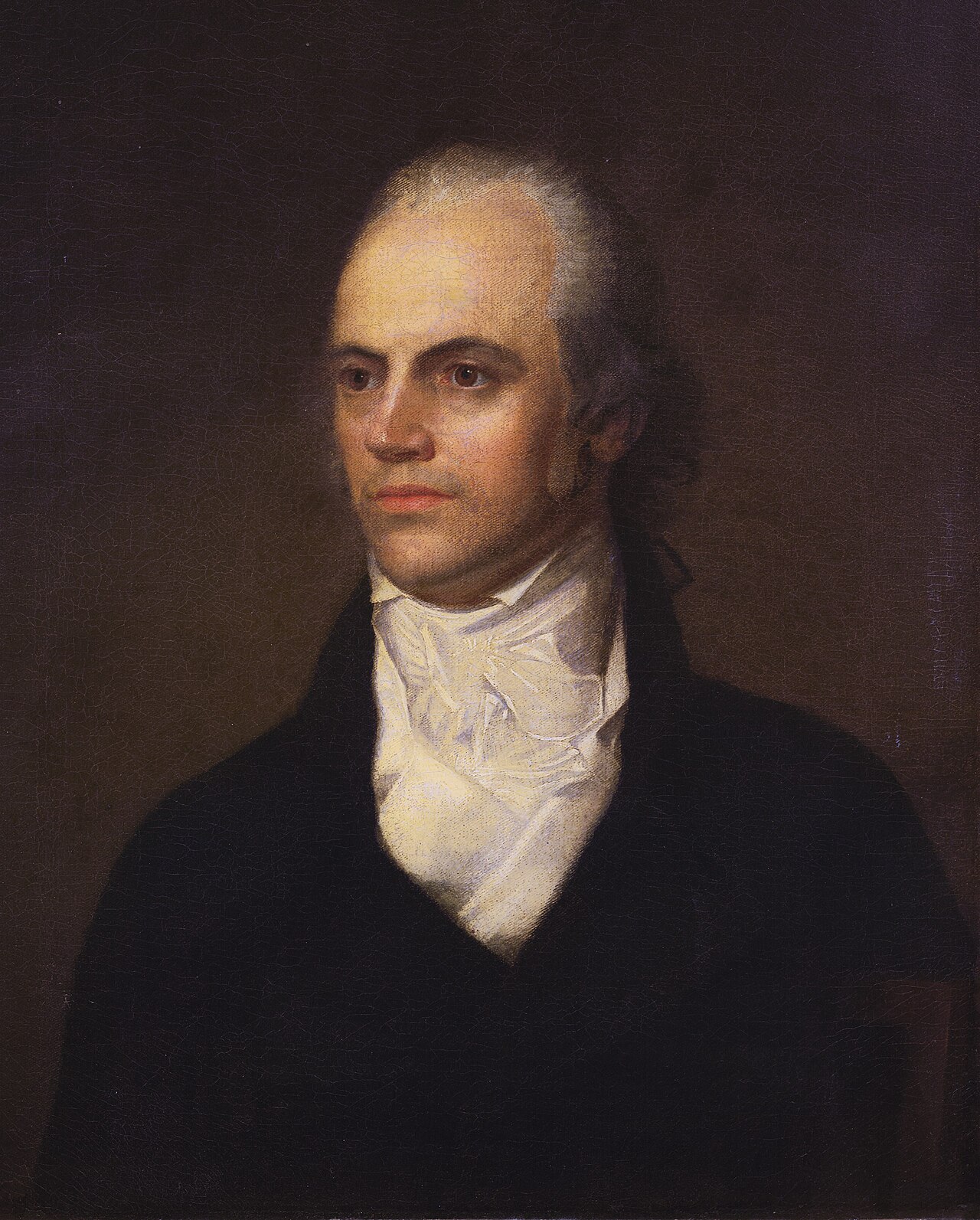
1807: Aaron Burr on Trial for Plotting the Secession of New England

Aaron Burr, former Vice President of the United States, stood trial beginning 3 August 1807, accused of conspiring to engineer the secession of New England and carve out an independent empire in the American west. The charges grew from years of suspicion surrounding his political ambitions and alleged dealings with foreign powers after his catastrophic fall from grace following the fatal duel with Alexander Hamilton in 1804.

The trial, presided over by Chief Justice John Marshall in Richmond, Virginia, became one of the most closely watched legal proceedings in early American history. Burr was ultimately acquitted on the treason charge, Marshall ruling that the prosecution had failed to prove an overt act of treason as required by the Constitution.

1803 Painting of Aaron Burr

⬅ See all events from 3 August

Spread the word on your favourite platform!
On This Day in True Crime History

Subscribe to Dark Stories

True crime stories, dark history and tour news, straight to your inbox.