1826: Nine Hanged in a Single Day at Hobart, All for Sheep Stealing and Burglary

On September 18, 1826, nine convicts went to the gallows together in Hobart under Lieutenant-Governor George Arthur's ruthless enforcement of Britain's Bloody Code, the doctrine that made property crime a capital offence equal to murder. Not one of the nine had killed anyone: George Farquharson, Robert Cable, Thomas Savell, John Davis and John Cruitt were hanged for sheep stealing, John Penson, Timothy Swinscow and William Wickens for burglary, and James Rowles for theft.

The hangings were part of the largest cluster of executions recorded in Van Diemen's Land that year, twenty three people put to death over a single fortnight in mid September 1826. Earlier hangings that month, on September 13, had targeted actual killers; those on September 15 and 18 were reserved entirely for non-violent property offenders, a deliberate signal from Arthur to a colony economically dependent on settler flocks and stores.

Sheep stealing in particular was treated by the colonial administration as an existential threat to the fledgling economy of the penal settlement, and the September 18 executions were designed as a public deterrent to convicts tempted to raid the herds and homes of free settlers.

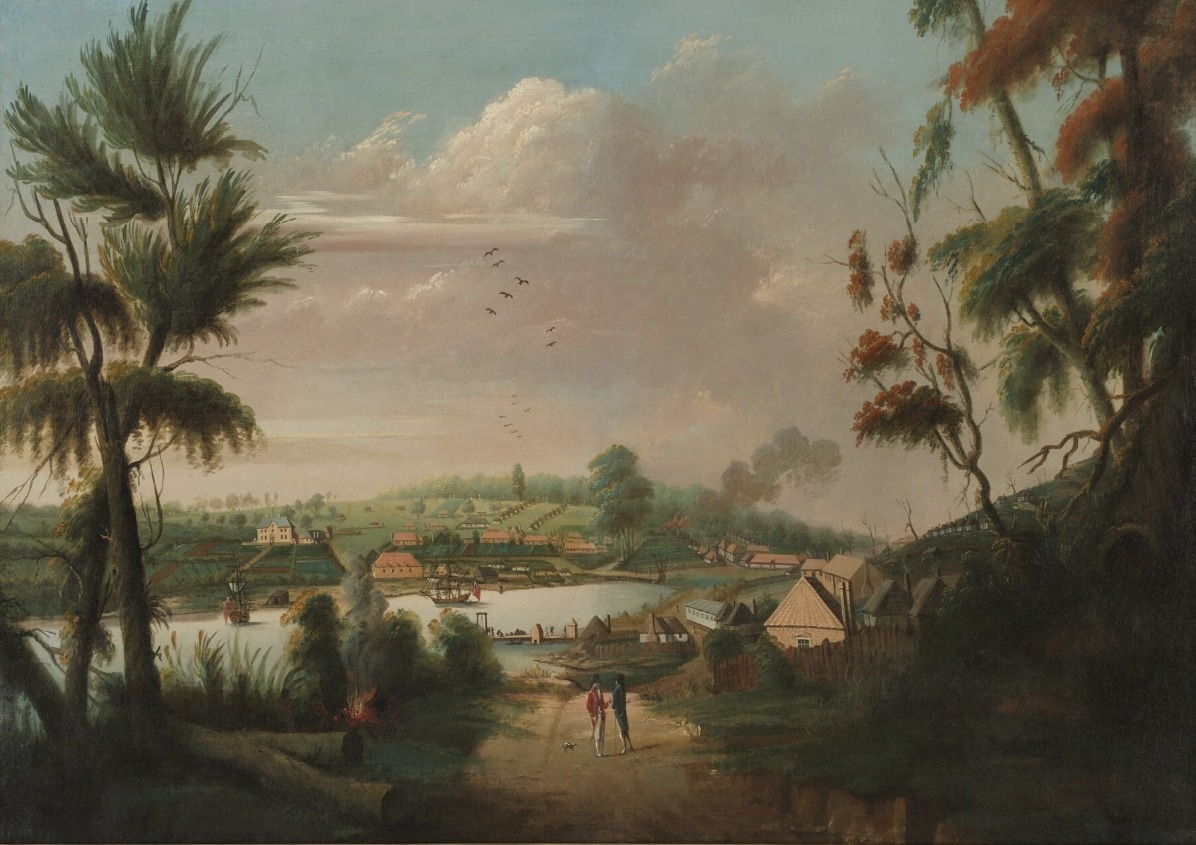
1826 in the Hobart Colony

⬅ See all events from 18 September

Spread the word on your favourite platform!

1826: Property Crimes, Not Murder: Seven Men Hanged in Hobart in a Single Morning

On 15 September 1826, seven convicts, George Brace, John McFarlane, James Edwards, Thomas Balfour, John Dadd, John Clark and Patrick Brown, were hanged together in Hobart, the second of three mass executions carried out that month under Chief Justice John Pedder.

Unlike the seven hanged just two days earlier for murder, not one of this group had killed anyone. Balfour, McFarlane and Edwards went to the gallows for absconding into the bush and robbing settler William Holdship; Brace was hanged for robbery, Dadd and Clark for burglary in Ross, and Brown for stealing sheep, a crime that under Britain's Bloody Code carried the same legal weight as taking a human life.

The scale of the executions reflected both the severity of imported English law and Governor George Arthur's determined push to impose discipline on the penal colony. Rather than hang prisoners as they were convicted, the Supreme Court held sentences over and carried them out in batches: seven men on 13 September, seven more on the 15th, and a further nine on the 18th, accounting for nearly half of the 53 executions recorded in Van Diemen's Land that year.

1826 in the Hobart Colony

⬅ See all events from 15 September

Spread the word on your favourite platform!

1808: Broughton and Cheeseman Hanged in Sydney for Cattle Theft at Hawkesbury

Stockmen, Richard Broughton and John Cheeseman, conspired to steal two head of cattle from their employer's flock at Hawkesbury in April 1808.

Cheeseman paid off Broughton for the two heads of cattle, which were then driven through Parramatta and on to a farm near the Brickfields in Sydney. A king's evidence witness revealed he had overheard the deal being struck and later spotted the cattle in a herd at the Nepean River.

Broughton and Cheeseman were tried, found guilty and hanged in Sydney. A third accused, Joseph Tilson, was found to have been an unwitting hired drover and escaped the same fate.

Two head of cattle.
Two head of cattle.

⬅ See all events from 28 August

Spread the word on your favourite platform!

1808: Charles Flynn Hanged in Sydney for Theft Aboard a Ship

In August 1808, Charles Flynn stood before the Court of Criminal Jurisdiction in Sydney, charged with stealing from aboard the ship Hero, anchored in Sydney Cove. The stolen items were modest: two brass spy-glasses valued at 40 shillings and a table cloth valued at 10 shillings.

The jury returned a verdict of guilty. In the harsh legal climate of early colonial New South Wales, the theft was enough to send Flynn to the gallows. He was hanged on 28 August 1808.

Vintage spyglass (brass telescope).

⬅ See all events from 28 August

Spread the word on your favourite platform!
On This Day in True Crime History

Subscribe to Dark Stories

True crime stories, dark history and tour news, straight to your inbox.