1978: Jim Jones and the Jonestown Massacre That Claimed 918 Lives

At his jungle commune in Guyana, Jim Jones had already rehearsed the ending. More than once he gathered the Jonestown community at night, handed out cups of red liquid, and told them it was poison with forty five minutes left to live. When nobody died, he revealed it had been a loyalty test, a drill he called a White Night, and warned that one day it would not be a drill.

That day came when US Congressman Leo Ryan flew in to investigate reports that members were being held against their will. Two Temple members passed him a note reading, "Please help us get out of Jonestown." As Ryan's party reached the airstrip with a handful of defectors, armed guards from the commune followed and opened fire, killing Ryan and four others on the tarmac.

Back in the settlement that evening, on 18 November 1978, Jones summoned the community to the pavilion for the last time. A tub of poisoned punch was mixed, and parents were made to feed it to their children before taking their own share, while armed guards ringed the crowd to make sure no one simply walked away. By morning, 918 people were dead, Jones among them, in one of the largest mass killings in modern history; roughly a third of the dead were children.

"Death is a million times preferable to 10 more days of this life," Jones told the gathered crowd as the poison took hold. He was found dead in his chair from a gunshot wound to the head, ruled likely self-inflicted.


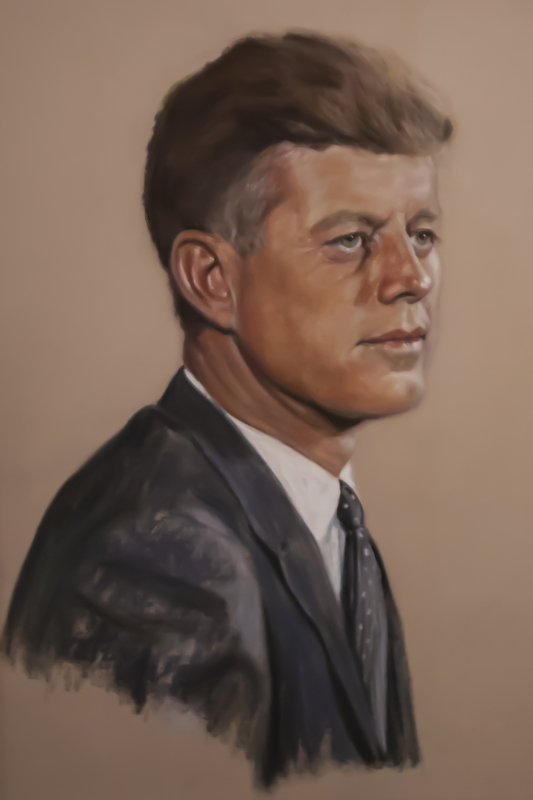
Man looking up while surrounded by men looking down

⬅ See all events from 18 November

Spread the word on your favourite platform!

1974: The Real Crime Behind The Amityville Horror: Ronald DeFeo Jr. Shot His Entire Family

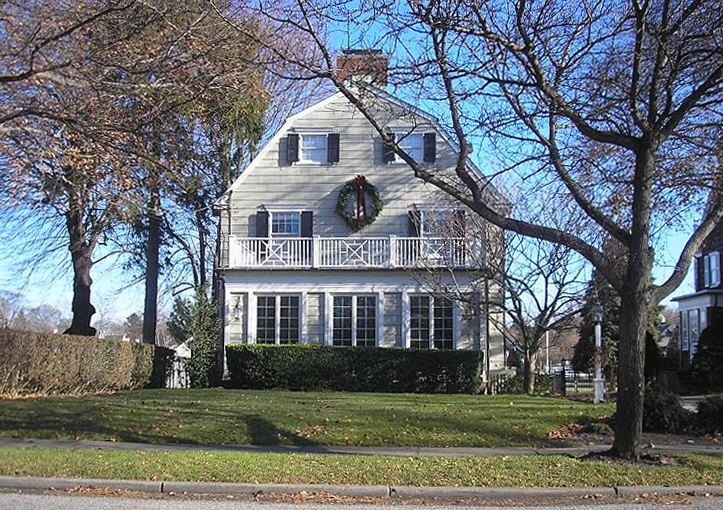
The house at 112 Ocean Avenue in Amityville, New York, is known today as the setting for The Amityville Horror, the famous haunted house film. Its true horror came first, inside those same walls, on 13 November 1974, when 23 year old Ronald DeFeo Jr walked through the house at night and shot his parents and four younger siblings as they slept, killing all six.

DeFeo told police the family had been murdered by a mob hitman, but he broke down within hours and confessed to all six killings himself. He said that once he started firing he simply could not stop, and that his real motive was money: he wanted his father's life insurance and business fortune for himself.

The murders left the house empty and infamous long before the next family who lived there claimed it was haunted, a story that became the basis for the film and its legend.

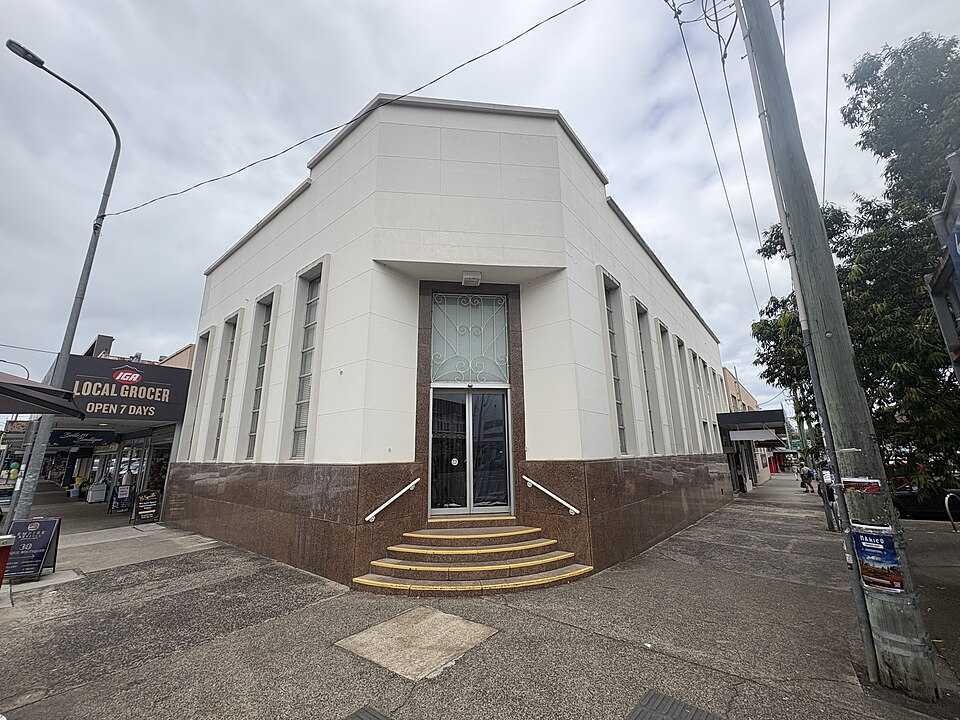
The Amityville house

⬅ See all events from 13 November

Spread the word on your favourite platform!

1955: He Bombed His Mothers Suitcase and Killed 44 Strangers Aboard Flight 629

Jack Graham wanted his mother dead and her life insurance money in his pocket, and he did not much care who else was on the plane. He packed a dynamite time bomb into his mother Daisie King's checked luggage before she boarded United Airlines Flight 629 out of Denver on the evening of 1 November 1955, bound for Alaska. Minutes after takeoff the Douglas DC-6B exploded over farmland near Longmont, Colorado, killing all 44 people aboard.

Investigators who pieced together the wreckage traced the blast to luggage in the cargo hold, and found Graham had form: he had collected an insurance payout earlier that year after his mother's restaurant was destroyed in a suspicious gas explosion. He confessed, then recanted at trial, claiming he had only admitted guilt to stop the FBI pressuring his wife. Since no federal law at the time made it a crime to destroy an aircraft, prosecutors charged him simply with his mother's murder. Convicted in 1956, he was executed in the gas chamber at Colorado State Penitentiary on 11 January 1957.

Graham showed no remorse to the end, telling a reporter: "Everybody pays their way and takes their chances. That's just the way it goes."

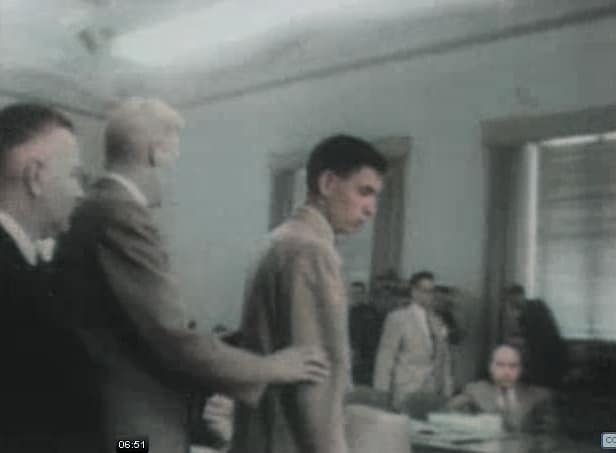
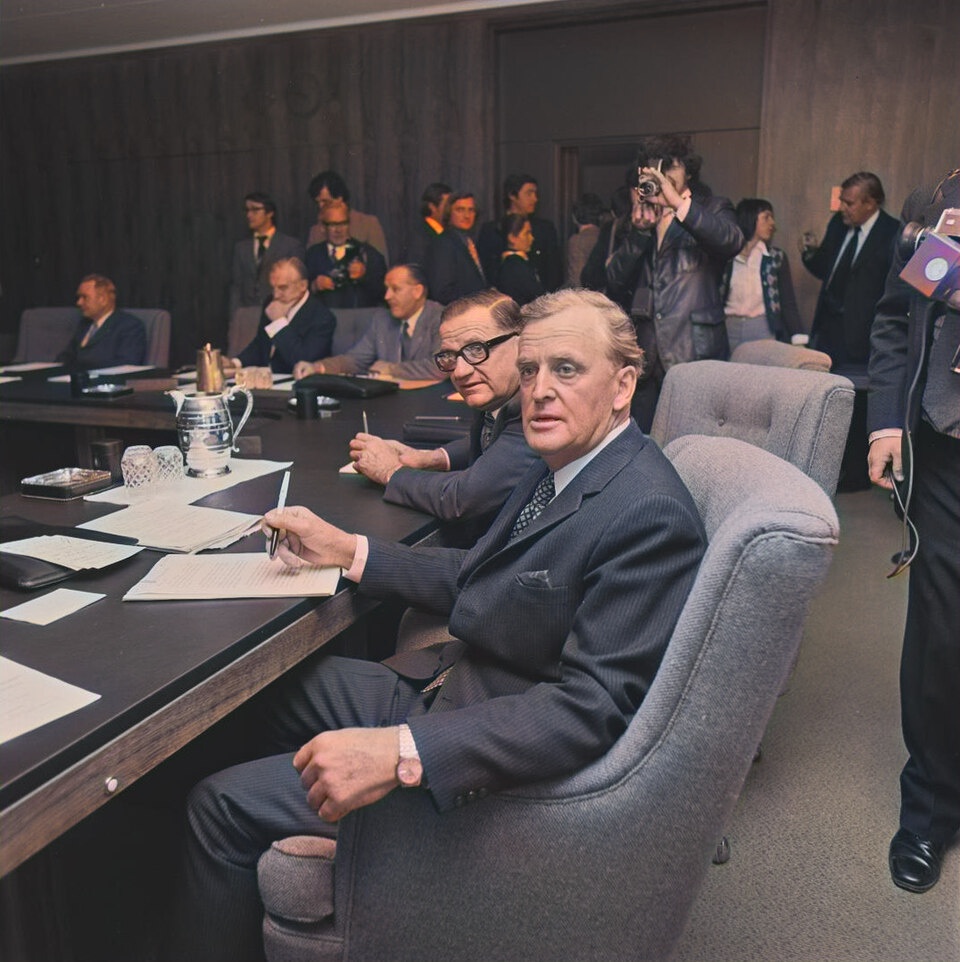
Jack Gilbert Graham during his trial, c. 1957. Prelinger Archives. Digitally colourised.

⬅ See all events from 1 November

Spread the word on your favourite platform!
On This Day in True Crime History

Subscribe to Dark Stories

True crime stories, dark history and tour news, straight to your inbox.