1906: A Bolting Horse Led Police to a Murder: Hanged in Adelaide.

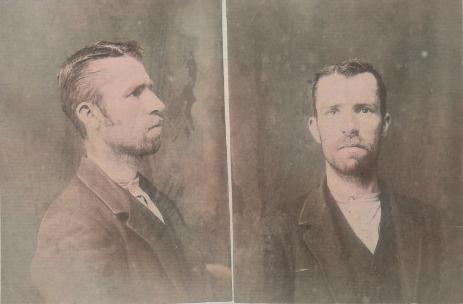
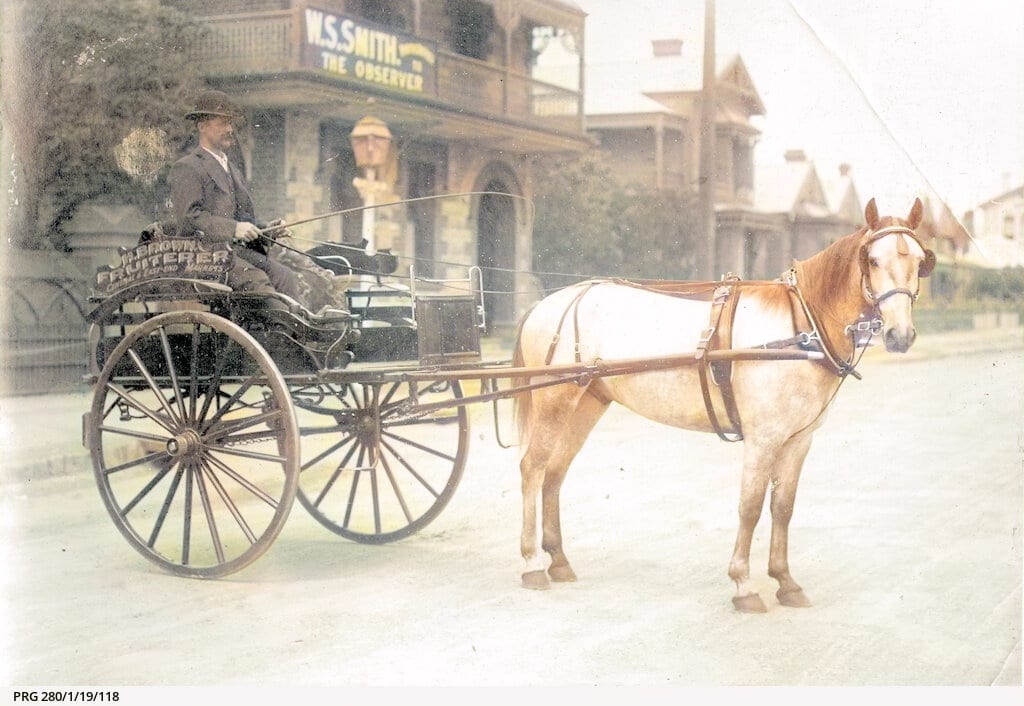
Notella Habibulla thought a bolting horse was just bad luck. Instead it hanged him. On the night of 12 August 1906 a blood-soaked pony and buggy careered driverless through Adelaide and crashed outside his mother-in-law's house, with a mat and a shirt in the tray soaked in blood. Habibulla told police the horse had simply bolted from the bridge; detectives thought otherwise.

A search of his Bristol Street home turned up a pool of blood in the yard, drag marks to the gate, and his wife Edith's torn clothing hidden beneath the bed. When police dragged the nearby river, they pulled up two severed legs in a sugar sack, and days later the rest of her dismembered body.

A jury convicted Habibulla of her murder, though they added a recommendation for mercy. It made no difference: he was hanged in Adelaide on this day in 1906, two visiting priests reciting prayers of his own faith as he walked to the scaffold.

Facing death, Habibulla told the gaol governor he was unafraid: "A man can only die once; but I should like to have lived."

A Bolting Horse Led Police to a Murder: Hanged in <a href='https://darkstories.com.au/adelaide-true-crime-tour/' target='_blank' rel='noopener noreferrer'>Adelaide</a>.

⬅ See all events from 16 November

Spread the word on your favourite platform!

1816: Transported Once for Burglary, Hanged a Second Time in Sydney.

Already transported once for burglary in England, William Tripp was serving as a blacksmith's servant in Sydney when he and his master, James Flavell, cut a hole through the brick wall of the house next door and emptied a hairdresser's boxes of clothing and valuables on the night of 6 June 1816.

The theft unravelled when an accomplice turned Crown witness, and Flavell's apprentice later found a stolen silk handkerchief floating in his master's well, where the burglary tools and loot had been hidden; the boy was told to say he had found it in the garden instead. The court was told Tripp had already been given one chance at reform after his earlier conviction and had chosen crime again. He was hanged alongside Flavell on this day in 1816 for the burglary.

The pair were reported to have met their deaths 'in a becoming manner', and to have 'died penitently'.

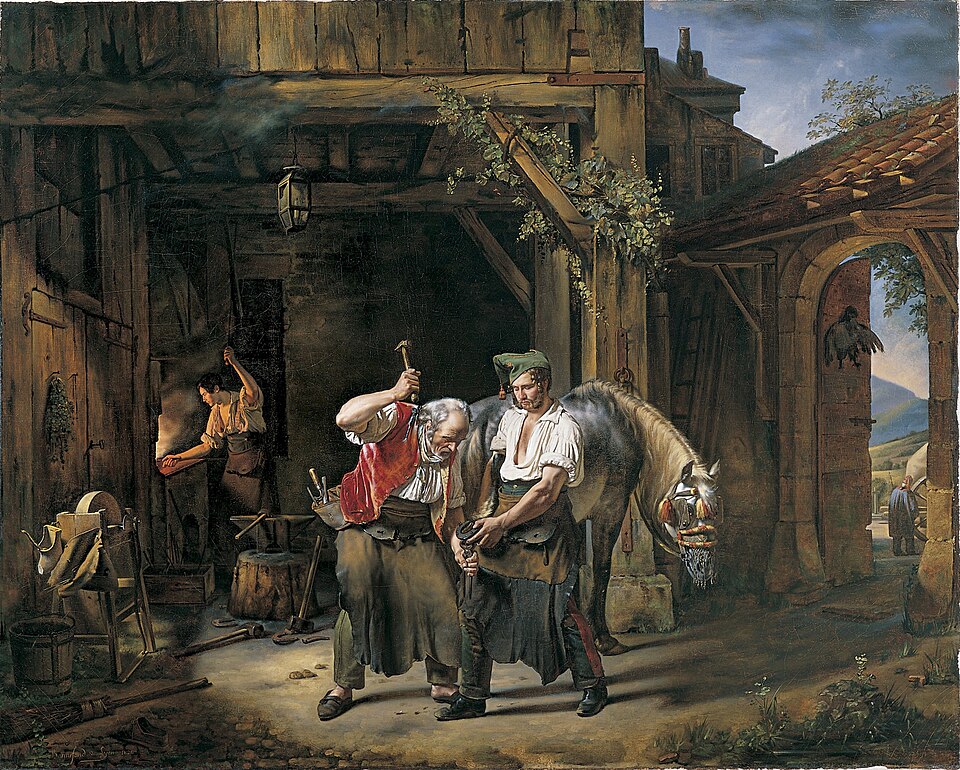
The Blacksmith by Jean-Claude Bonnefond

⬅ See all events from 15 November

Spread the word on your favourite platform!

1816: One Stolen Bullock, a Capital Sentence: Hanged in Sydney as Cattle Theft Spiked

John Palmer was convicted of stealing a single bullock belonging to Captain Bunker, a crime that in most times might have drawn a lighter sentence. But cattle theft had, in the words of the court, "so alarmingly increased" across the colony that authorities decided an example had to be made, and the circumstances of his offence were judged especially aggravated.

He was sentenced to death and hanged in Sydney on 15 November 1816, alongside two other men executed that same day for burglary. The judge advocate told the condemned men plainly that the colony's interests demanded their punishment serve as a deterrent to others.

According to reports, the condemned men conducted themselves in their final moments "in a becoming manner, and died penitently."

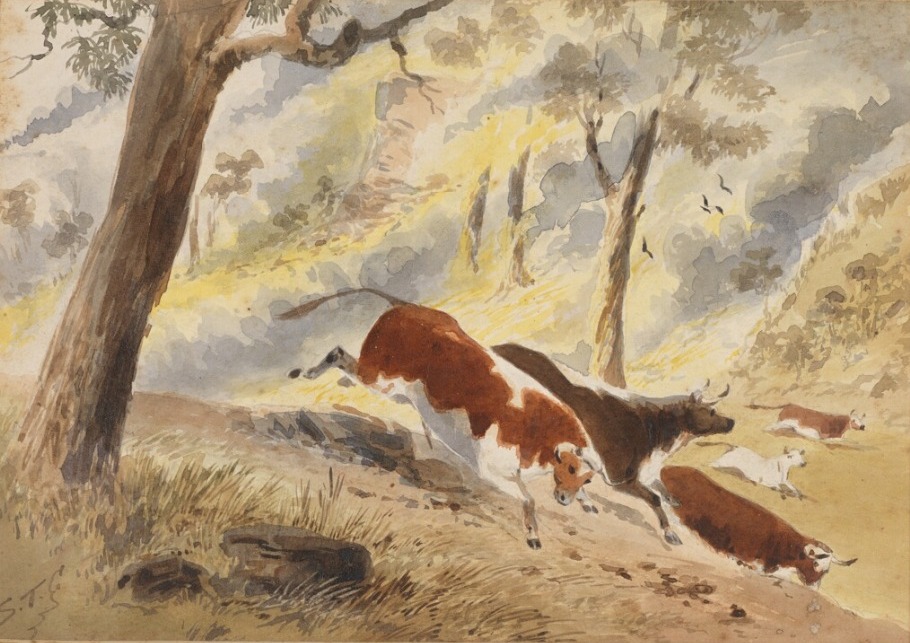
Bullock Drays by S. T. Gill. State Library of NSW

⬅ See all events from 15 November

Spread the word on your favourite platform!

1949: The Assassin Who Bowed Before He Fired: Nathuram Godse Hanged for the Murder of Mahatma Gandhi

Nathuram Godse stepped out of the crowd at a Delhi prayer meeting, bowed low as though to touch Gandhi's feet, then drew a pistol and fired three shots into him at point blank range on 30 January 1948. He made no attempt to run. Witnesses said he stood waiting to be arrested, convinced Gandhi's tolerance of Muslims during Partition had betrayed Hindus and weakened the new nation.

Godse and his collaborator Narayan Apte, along with six co-conspirators, were tried over eight months. Both men were sentenced to death, and hanged together at Ambala jail on this day in 1949. Apte's neck broke and he died at once; Godse, by most accounts, choked slowly on the rope for some fifteen minutes.

Godse never denied the killing or sought mercy for it. "I did not hate Gandhi," he told the court, "I revered him... then performed my moral duty and killed Gandhi."

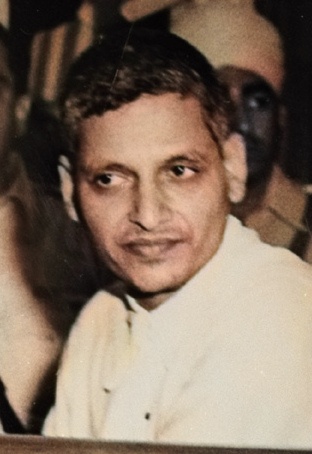
Nathuram Godse taken during M.K.Gandhi's murder trial

⬅ See all events from 15 November

Spread the word on your favourite platform!
On This Day in True Crime History

Subscribe to Dark Stories

True crime stories, dark history and tour news, straight to your inbox.