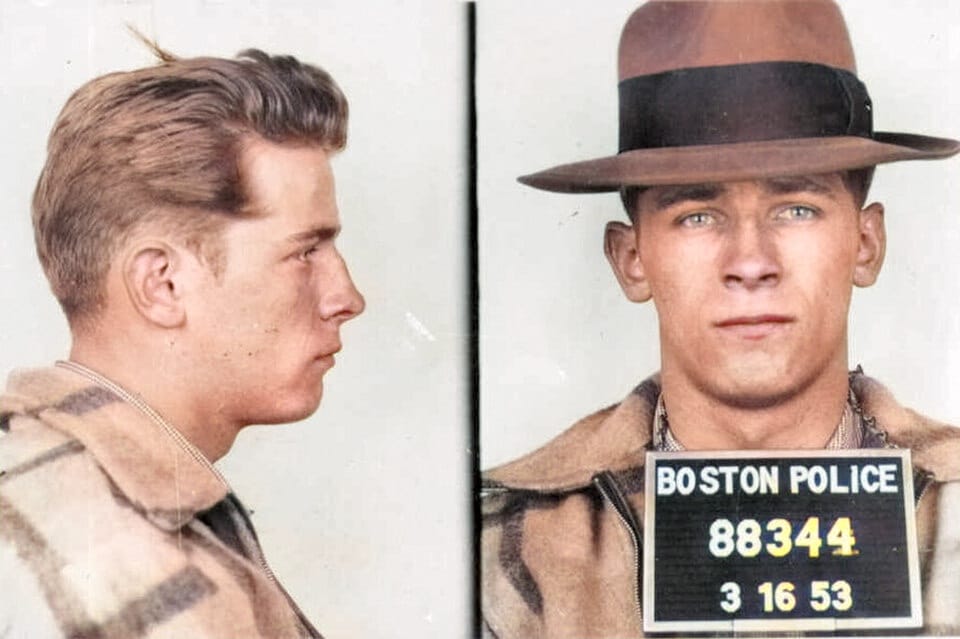
1983: The KFC Murders: Five Shot Execution-Style in Texas

On the night of September 23, 1983, armed robbers held up a Kentucky Fried Chicken restaurant in Kilgore, Texas, just before closing. Five people inside, three employees and two friends waiting for one of them, were abducted and driven to a field on County Road 232, where each was shot in the back of the head and torso. The victims were identified as David Maxwell, 20, Joey Johnson, 20, Monty Landers, 19, Mary Tyler, 37, and Opie Hughes, 39.

The case went unsolved for over two decades. A torn fingernail found on one body once led investigators to arrest James Earl Mankins Jr., the son of a state representative, but DNA testing proved the fingernail was not his and he was released before trial.

In November 2005, cousins Darnell Hartsfield and Romeo Pinkerton, both already imprisoned on other charges, were arrested and charged with capital murder. DNA evidence pointed to a third, then-unidentified man involved in the killings and the rape of Hughes. Pinkerton denied any involvement, yet that October he pleaded guilty to five lesser counts of murder and received five concurrent life sentences.

The mystery of the third perpetrator was not resolved until decades later: in 2023 the Texas Rangers reopened the case, and DNA testing in 2025 finally identified him as Devan Riggs, a man who had died in 2010 without ever facing charges.
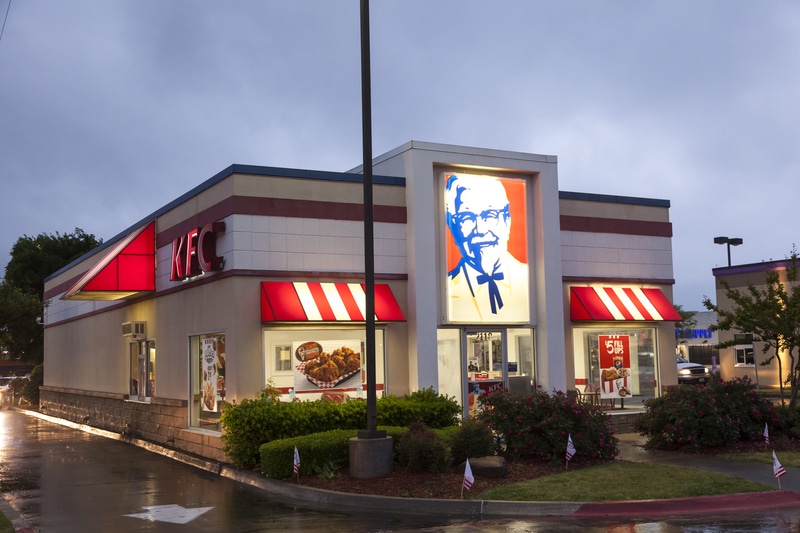

Kentucky Fried Chicken Restaurant at night. DALLAS, Tx, USA - APR 17, 2016: Exterior of a Kentucky Fried Chicken (KFC) fast food restaurant illuminated at night. Dallas, Texas, United States | ID 73870204 © Typhoonski | Dreamstime.com
ID 73870204 © Typhoonski | Dreamstime.com

⬅ See all events from 23 September

Spread the word on your favourite platform!

1986: Carved with a Scarlet Letter: The Unsolved Murder of Beth Barnard on Phillip Island

In the early hours of September 23, 1986, 23-year-old penguin parade worker Beth Barnard was found stabbed to death in a house on Phillip Island, Victoria. A blanket had been placed over her body, but beneath it her throat had been cut, her nightgown pushed up, and her body slashed and stabbed repeatedly, with defensive wounds on her hands. Cigarette butts and a knife lay near the body, and bloodied paper towels were stuffed around the bathroom sink.

Carved into her chest was a knife wound resembling the letter A, leading some to dub the killing the Scarlet Letter murder. Barnard had been having an affair with her married employer, Fergus Cameron, a founding shareholder of the Phillip Island Grand Prix. The night before her body was found, his wife, 36-year-old Vivienne Cameron, learned the truth and smashed a wine glass across his head and back before driving him to hospital.

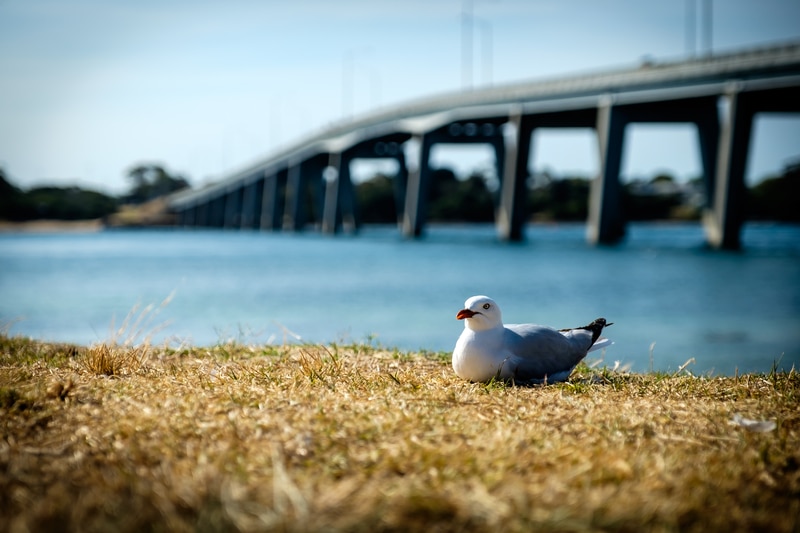
Fergus spent that night at his sister’s house while Vivienne asked friends to mind their two young sons. She then vanished and was never seen again. A coroner later found that Vivienne had contributed to Beth Barnard’s death and concluded that she had taken her own life by jumping from the nearby San Remo Bridge, although her body has never been recovered.

Seagull portrait on grass with San Remo Bridge blurred behind

⬅ See all events from 23 September

Spread the word on your favourite platform!

1889: Was Jack a Jill? Rumours of a Female Ripper Emerge in London

Jack the Ripper was a woman. That was the possibility London newspapers began to report: that the killer who had horrified the world for months was a woman disguised as a man, living and working unnoticed in Whitechapel. By the time the story spread, she had reportedly vanished. Police were confidently believed to be “at last on the track” of the murderer, and there was suddenly talk of “his or her crimes”.

Who, it was asked, could walk the streets at night without suspicion, possess the anatomical knowledge the mutilations suggested, and risk being found beside a body? One answer: a woman who was, or had been, a midwife. Discovered bending over a victim, she need only say she had been passing by and thought the woman required her medical attention. Though largely discounted, the Jill the Ripper theory has never completely gone away.

Victorian woman in London street with man in background

⬅ See all events from 21 September

Spread the word on your favourite platform!

1952: An All-Night Manhunt: 400 Police Search Brisbane

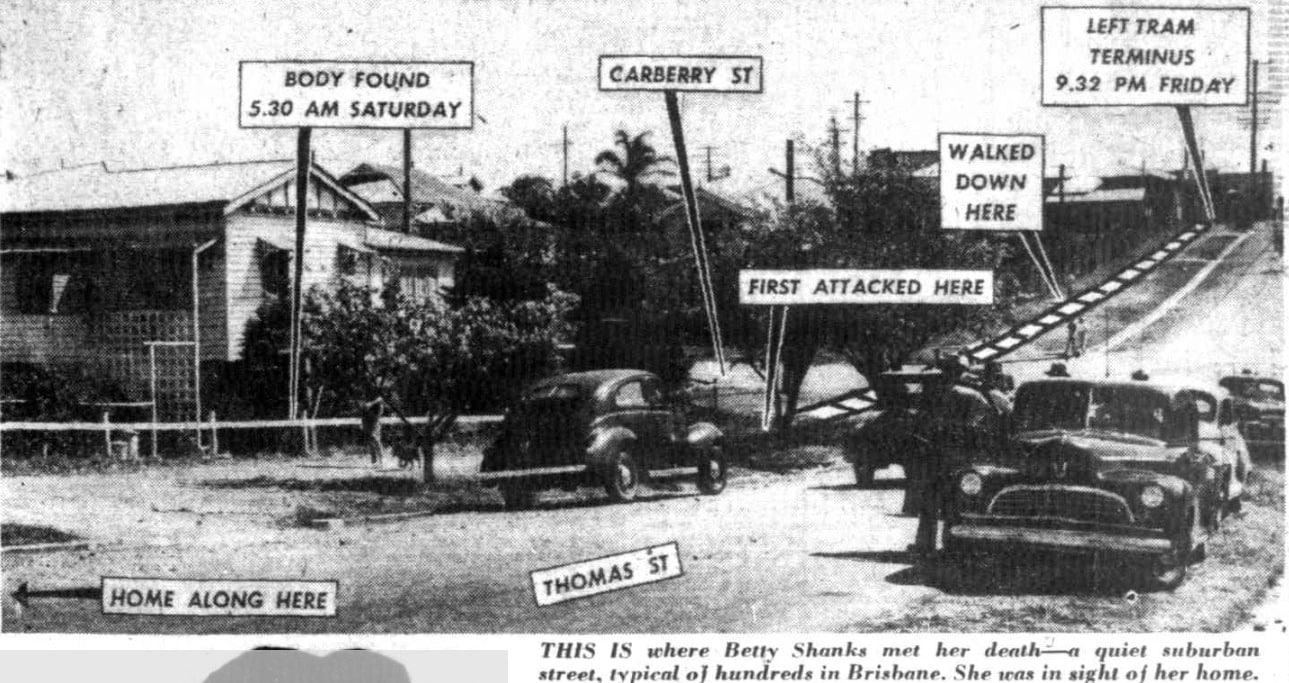
By the early hours of 21 September 1952, more than 400 police had been drawn into the hunt for Betty Shanks’s killer in Brisbane. Patrol cars criss-crossed the suburbs and officers searched streets and parks through the night. Police leave was cancelled, at least 100 investigators went without sleep, and residents near the Wilston murder scene were warned to lock doors and windows amid fears of another attack.

An early lead came to nought, and after roughly 20 hours of investigation police were still searching without a breakthrough. A description was issued of a man wanted in connection with the killing, following reports of someone leaping a fence near where Betty’s body was found. Despite the massive manhunt, her murder would become one of Brisbane’s most famous cold cases, still unsolved today.

Crime scene street where Betty Shanks was killed near her home Brisbane

⬅ See all events from 21 September

Spread the word on your favourite platform!
On This Day in True Crime History

Subscribe to Dark Stories

True crime stories, dark history and tour news, straight to your inbox.