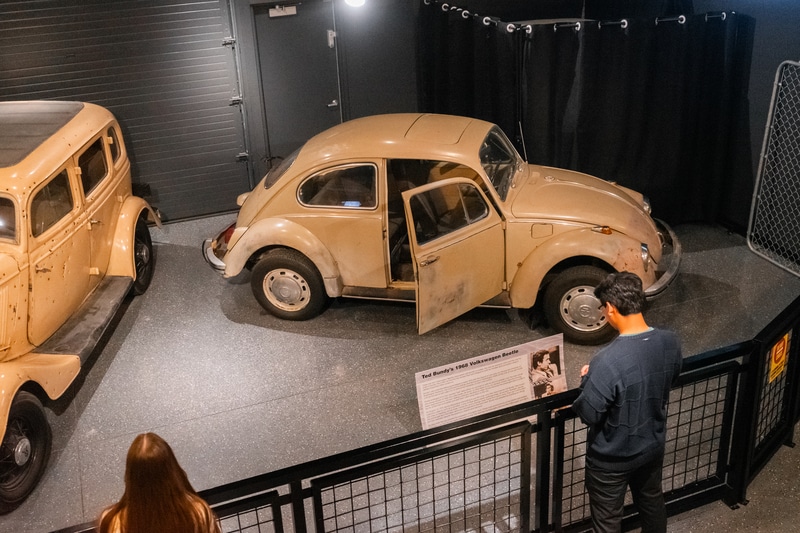
Sixteen-year-old Nancy Wilcox vanished from Holladay, Utah in 1974, one of a string of young women who disappeared across the state that year without a trace. No body was ever found, no arrest followed, and for years her family had only questions.
The answer came from Ted Bundy himself. Awaiting execution years later, he confessed to her murder as part of a wider accounting of his crimes, admitting to a killing police had never been able to solve. Her remains have still never been recovered.
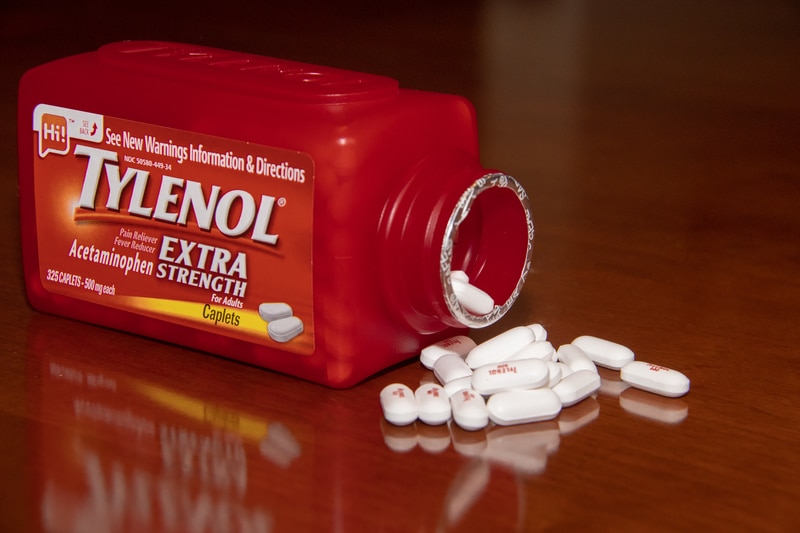
On September 29, 1982, 12 year old Mary Kellerman took a Tylenol capsule for a cold and died within hours. Within two days six more people in the Chicago area died the same way, including three members of a single family, the Januses, who had unknowingly shared capsules from the same tainted batch.
Someone had opened bottles on store shelves, replaced the medicine inside with potassium cyanide, and resealed them for unsuspecting buyers to find. No poisoner was ever caught. A man named James W. Lewis was convicted of extortion after writing to the manufacturer claiming responsibility and demanding a million dollars to stop the deaths, but he later insisted the letter was a bluff, and investigators could never tie him to the actual killings.
The case remains unsolved to this day, but it changed how medicine is sold worldwide, ending loose powder capsules and ushering in the tamper proof seals now standard on every bottle.
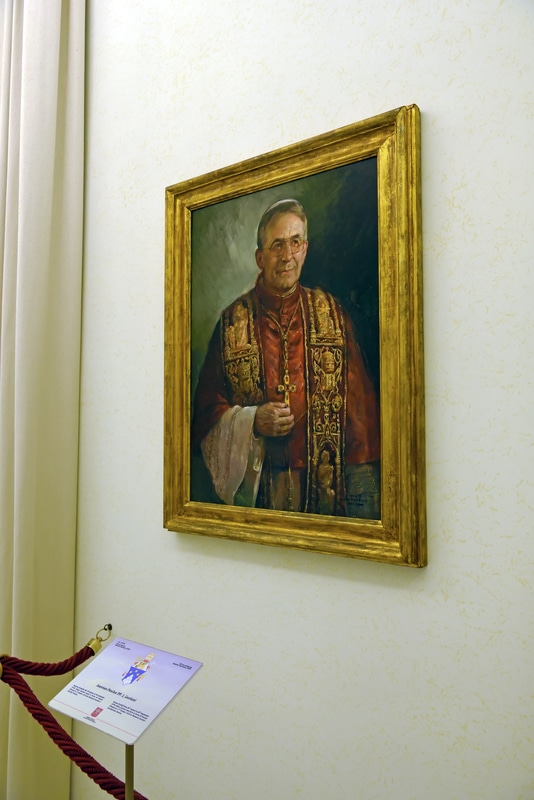
Pope John Paul I was found dead in his bed after just 33 days in office, the shortest papacy since 1605, with a religious devotional still in his hands. The Vatican initially claimed a priest had discovered the body; in truth it was a nun, Sister Vincenza, who found him, and officials lied about it out of embarrassment that a woman had entered the private papal quarters.
No autopsy was performed and the body was embalmed with unusual speed, feeding decades of speculation that he had been poisoned to stop him exposing corruption at the Vatican Bank. One theory even produced a mobster who claimed to have helped administer the poison. Later research drawing on confidential Vatican archives instead found a simpler explanation: a history of heart trouble, chest pains the night before his death, and no doctor ever called.
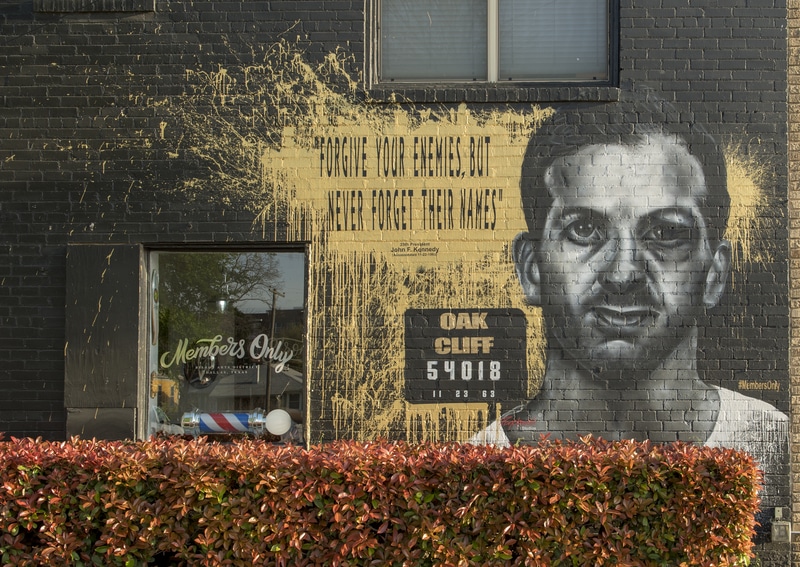
On September 27, 1964, the Warren Commission delivered its report on the assassination of President John F. Kennedy, concluding after a ten month inquiry that Lee Harvey Oswald acted alone in firing the shots that killed the president in Dallas on November 22, 1963.
The commission, chaired by Chief Justice Earl Warren and formed by executive order of President Lyndon Johnson, found no evidence of a conspiracy, foreign or domestic, and determined that Jack Ruby likewise acted alone when he shot Oswald dead two days after the assassination while Oswald was in police custody.
The report’s single bullet theory, used to explain the wounds suffered by both Kennedy and Texas Governor John Connally from one shot, became the most disputed element of the findings and fueled decades of public skepticism and rival conspiracy theories that persist to this day.