1818: A Dream Diary Written in Kangaroo Blood: the Death of Bushranger Michael Howe

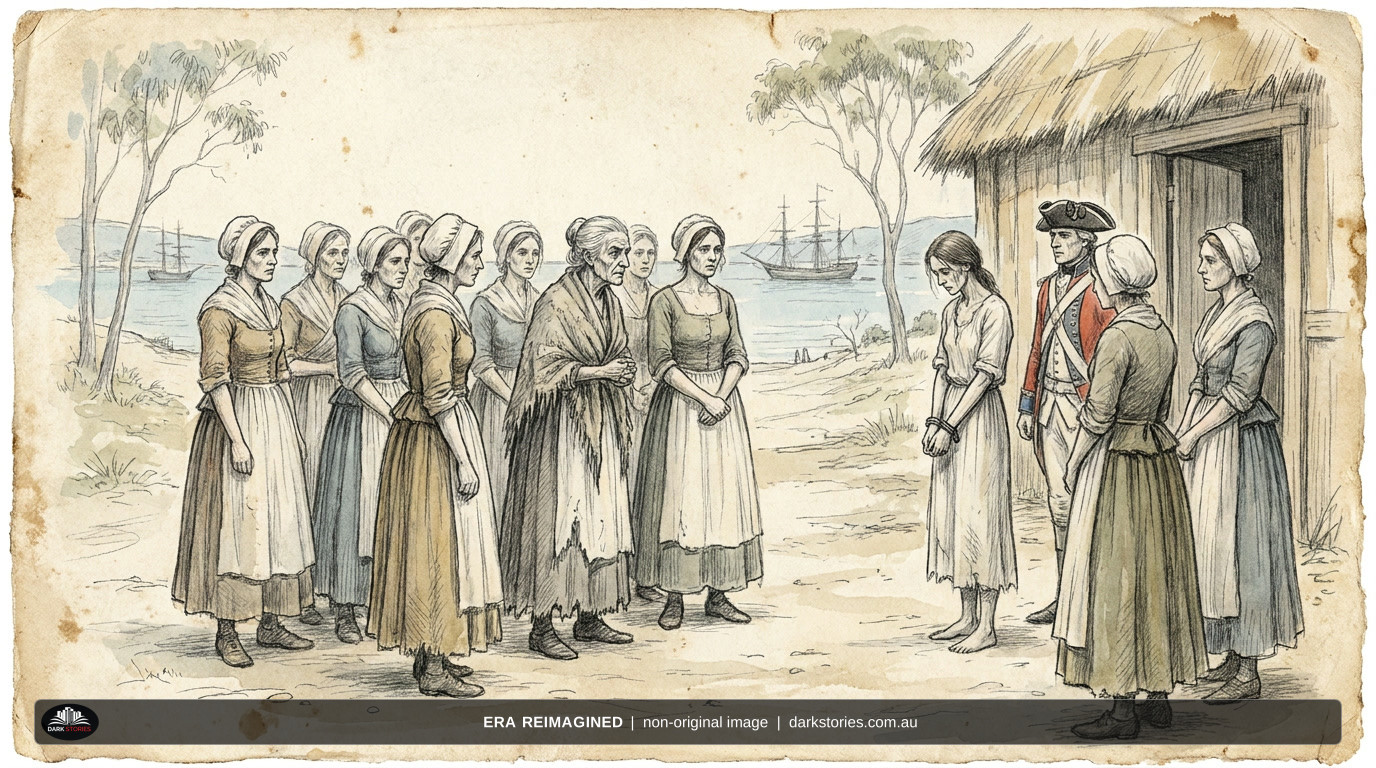
Michael Howe styled himself the Governor of the Ranges and spent years terrorising colonial Tasmania at the head of a bushranging gang, turning on his own allies whenever it suited his hold on command. When two kangaroo hunters, Worrall and Pugh, finally cornered and killed him on 21 October 1818, his knapsack was found to hold a crude journal bound in kangaroo skin and written in kangaroo blood.

The little book revealed a man haunted by his own crimes: dreams of being murdered, of dead comrades, of narrowly escaping capture, and, in one unexpected line, of the sister he had left behind. Alongside the dreams were long lists of seeds and flowers, the quiet fantasy of a killer who always meant to vanish into the bush and farm it in peace. Howe never got the chance; after Pugh clubbed him to death, his head was carried to Hobart to claim the reward on his life.
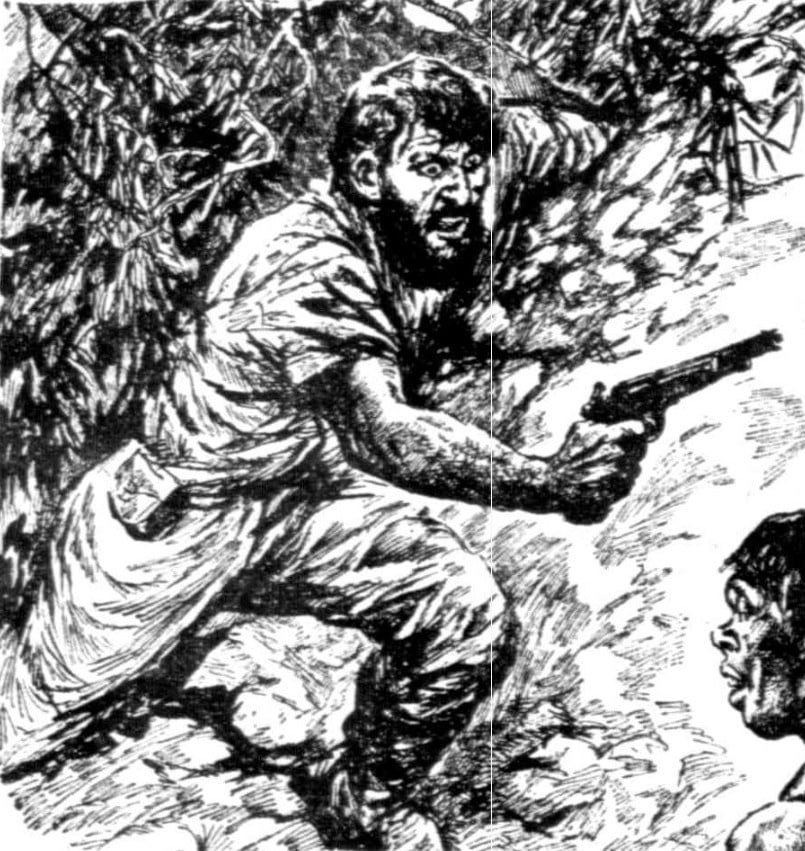

The reign of terror by the king of the ranges newspaper article 1954

⬅ See all events from 21 October

Spread the word on your favourite platform!

1898: Kate Kelly, Sister of Bushranger Ned Kelly, Vanishes Eighteen Years After His Hanging

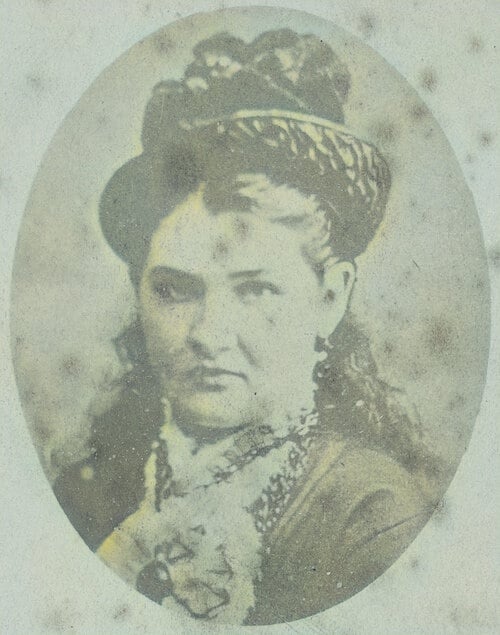
In 1878, Constable Fitzpatrick arrived alone and drunk at the Kelly family homestead and assaulted fourteen-year-old Kate Kelly, the spark that turned her brothers Ned and Dan into outlaws. With her mother jailed as an accomplice, teenage Kate raised her younger siblings, campaigned for Ned's clemency, and later toured with relics of the gang after his hanging at Melbourne Gaol in 1880.

Eighteen years on, now married and living near Forbes in New South Wales, Kate vanished from her home. She was found drowned in a nearby waterhole, aged 35. Her death was officially ruled an accident, but questions about what drove her there have never fully gone away.

Portrait of Kate Kelly sister of Ned Kelly

⬅ See all events from 6 October

Spread the word on your favourite platform!

1866: He Was Fed Breakfast, Then Declared Himself a Bushranger and Shot His Host

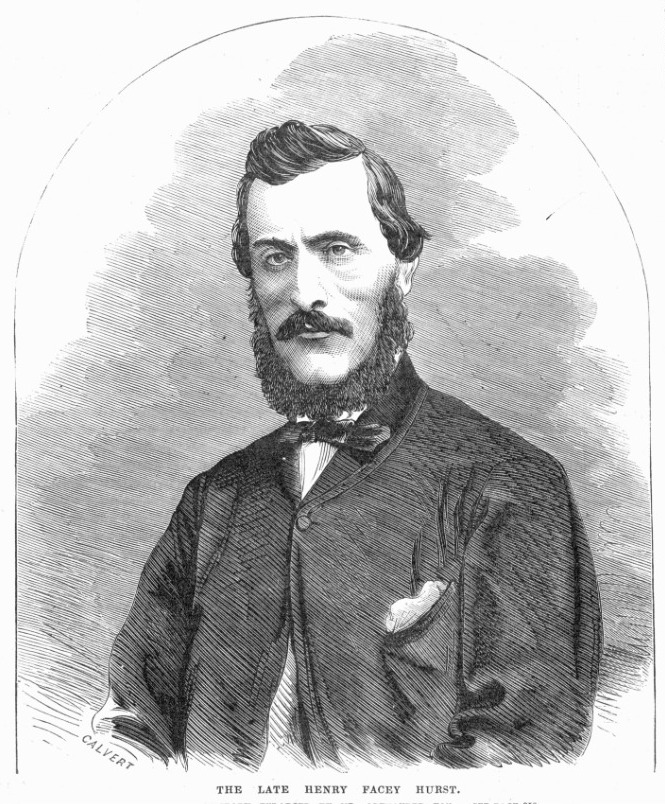
Henry Facey Hurst, the pioneer settler after whom Hurstbridge in Victoria was later named, was feeding a hungry stranger at his station near Diamond Creek on the morning of 4 October 1866 when his sister spotted a revolver hidden under the man's coat. Hurst quietly loaded his own gun and confronted him. Offended at what he called an insult, the stranger leapt up and announced, "I am a bushranger": Robert Burke. Burke tried to fire first, but the cap misfired; Hurst got his shot away, and Burke then fired three rounds of his own, one tearing into Hurst's stomach and lodging in his own leg.

Though mortally wounded, Hurst clung to Burke until a friend, Joseph Abbott, wrestled the bushranger down and tied him with a halter. Hurst bled to death that evening. Burke was convicted of wilful murder, though the jury recommended mercy on the grounds that Hurst had fired the first shot. He was hanged at Melbourne Gaol.

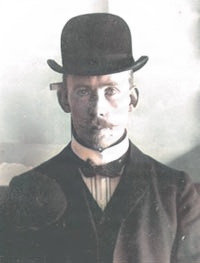
The late Henry Facey Hurst, engraving by Samuel Calvert, 27 October 1866. State Library Victoria, IMP27/10/66/356.

⬅ See all events from 4 October

Spread the word on your favourite platform!

1853: A Hanged Bushranger's Corpse Put on Display in a Melbourne Shop Window

Within hours of his execution, the body of bushranger George Melville was handed to his widow, decorated with ribbons and laid out in the window of their oyster shop in Little Bourke Street. The Argus called it a disgusting and inhuman act, presuming it was staged simply to draw in customers.

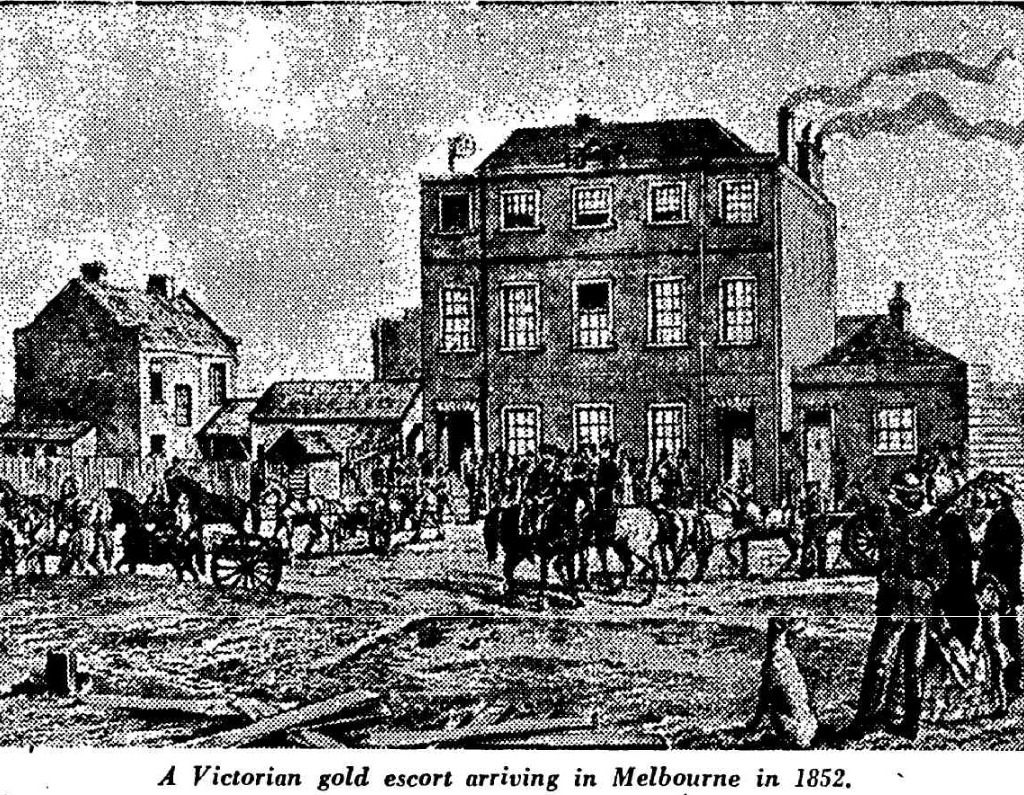
Melville had been hanged at Melbourne Gaol alongside William Atkins and George Wilson for the Private Escort gold robbery near Kalkallo, an ambush that left four mounted troopers shot, one of them fired on again as he lay wounded on the road. All three had been identified after an accomplice turned informer to the police before taking his own life with a razor.

None of the condemned made a clear confession. Wilson used his final moments on the scaffold to forgive the witnesses who had convicted him, while Melville, claiming the crowd could not hear him, simply said he could not make himself heard and wished them all a very good morning.

Victorian gold escort arriving in Melbourne 1852.

⬅ See all events from 3 October

Spread the word on your favourite platform!
On This Day in True Crime History

Subscribe to Dark Stories

True crime stories, dark history and tour news, straight to your inbox.