1789: The French State Seizes the Wealth of the Catholic Church

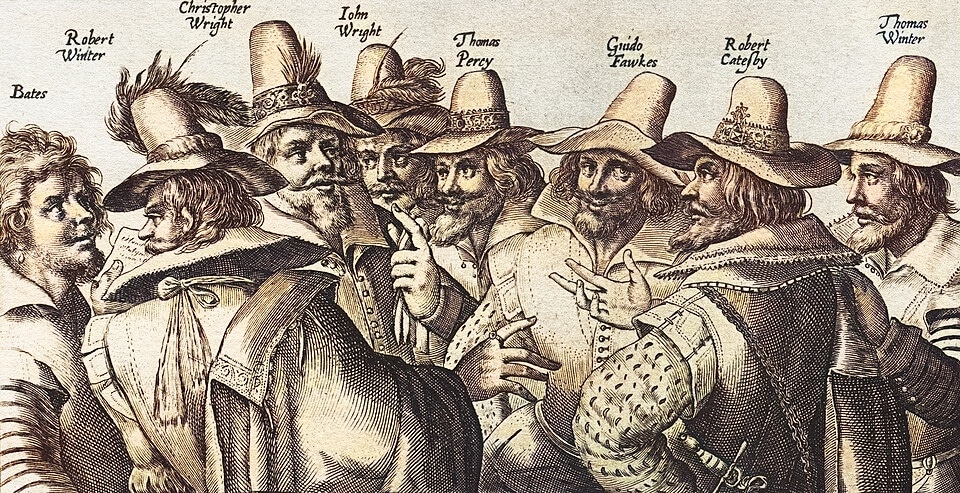
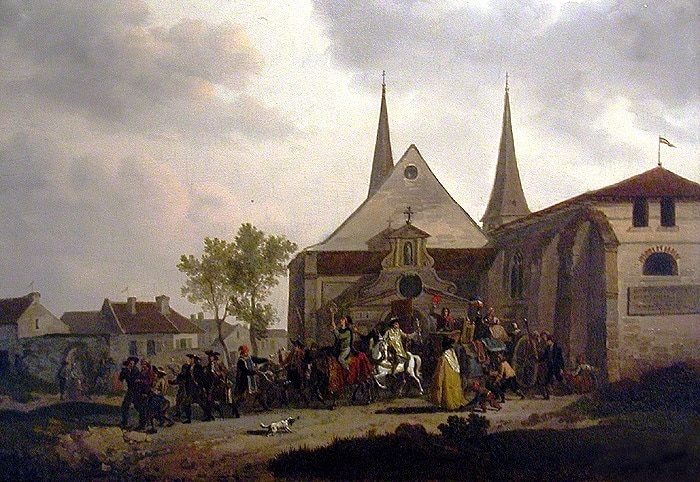
Revolutionary France did not just curb the power of the church, it stripped it bare. On this day in 1789, the National Assembly voted to confiscate all church property across the country: land, monasteries, cathedrals, religious artworks and sacred valuables, declaring it all now belonged to the nation.

The seized wealth was converted into assignats, paper currency issued against the value of the stolen assets, to drag the state out of crushing debt and fund the revolution itself. It was an audacious act of theft dressed as reform, one that permanently broke the financial independence of the Catholic Church in France and set the stage for the brutal persecution of clergy that followed in the years ahead.

This Day in True Crime History

⬅ See all events from 2 November

Spread the word on your favourite platform!

1903: Banned by Daylight: How Sydney Once Outlawed Ocean Swimming by Sun

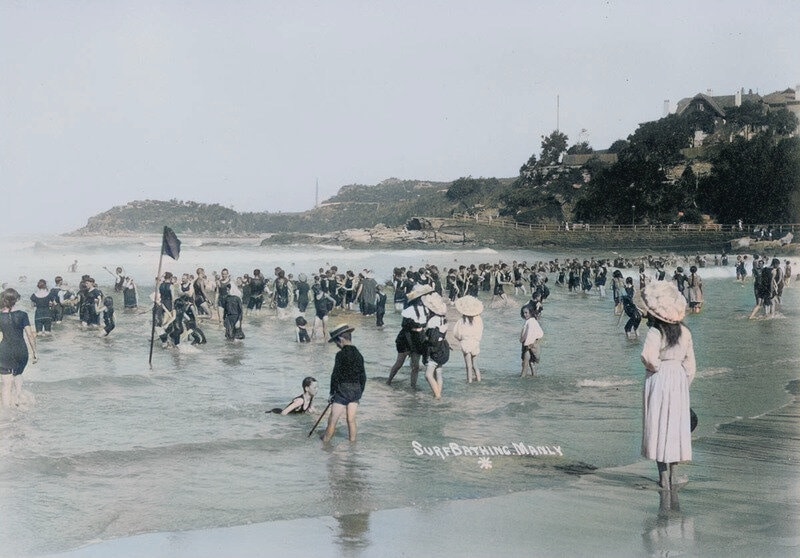
Daylight ocean bathing was a punishable offence on Sydney's beaches at the turn of the century, with Manly Council enforcing strict hours on when the public could enter the surf. The rule existed to police modesty rather than safety: women's swimming costumes covering neck to knee were already considered scandalous in mixed company, while men swam nude in some spots without issue.

The council finally abandoned the restriction on this day in 1903, quietly ending decades of fining and shaming bathers for swimming under the sun. It was a small bureaucratic reversal that opened the way for the beach culture that would come to define the city.

This Day in True Crime History

⬅ See all events from 2 November

Spread the word on your favourite platform!

1923: The Spooks Scandal: Police Walked Off the Job and Melbourne Descended Into Looting

Half the police force in Melbourne walked off the job over a secret supervisory system that monitored beat officers using men drawn from their own ranks, derisively nicknamed "spooks". Hundreds of constables, many of them returned servicemen, refused duty rather than work under informants planted among their colleagues, and the government offered no guarantee against victimisation.

With the city effectively unpoliced, crowds poured out of Flinders Street station on the nights of 2 and 3 November 1923 and surged up Elizabeth and Swanston streets. Shop windows were smashed, stores stripped of merchandise, a tram overturned, and three people died in the chaos. The few police still on point duty were jeered and harassed until they retreated to the safety of the Town Hall.

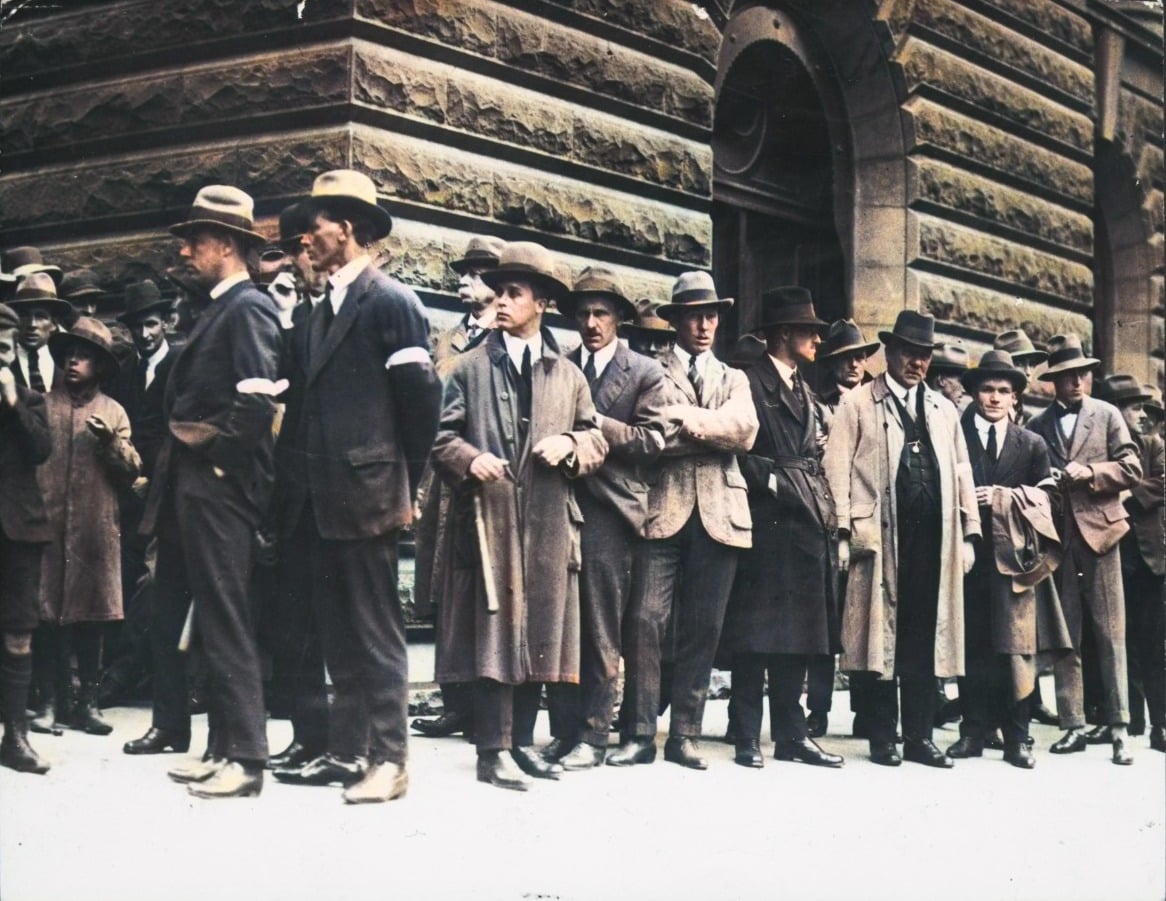
Melbourne's papers rushed to blame the city's criminal underworld, but court records later told a different story: most of those arrested were ordinary young men and boys with no prior offences. Order was only restored when five thousand volunteer special constables, sworn in under the direction of Sir John Monash, took to the streets in armbands and badges to do the job the regular police had abandoned.

Melbourne Special Constables Volunteer during Police Strike: Herald and Weekly Times Ltd., 1923. State Library Vic, H2015.111/1

⬅ See all events from 2 November

Spread the word on your favourite platform!

1959: The Quiz Show That Was Rigged All Along: Charles Van Doren Confesses to America

Charles Van Doren had been one of American television's most beloved figures, a telegenic young academic whose winning streak on the quiz show 21 made him a household name and a symbol of brains over brawn. The adoration was built on a lie: producers had been feeding him questions and answers in advance, scripting his hesitations and furrowed brows to maximise suspense.

On this day in 1959, Van Doren admitted the truth before a congressional hearing, confessing that the contest had been fixed from the start. The admission shattered public faith in the new medium of television and triggered prosecutions of the producers and network figures behind the deception, some of whom later served time in prison.

Van Doren himself was convicted of perjury for earlier denials but received a suspended sentence, his once-golden reputation left in ruins.

Quiz Show Watching 1950s

⬅ See all events from 2 November

Spread the word on your favourite platform!
On This Day in True Crime History

Subscribe to Dark Stories

True crime stories, dark history and tour news, straight to your inbox.