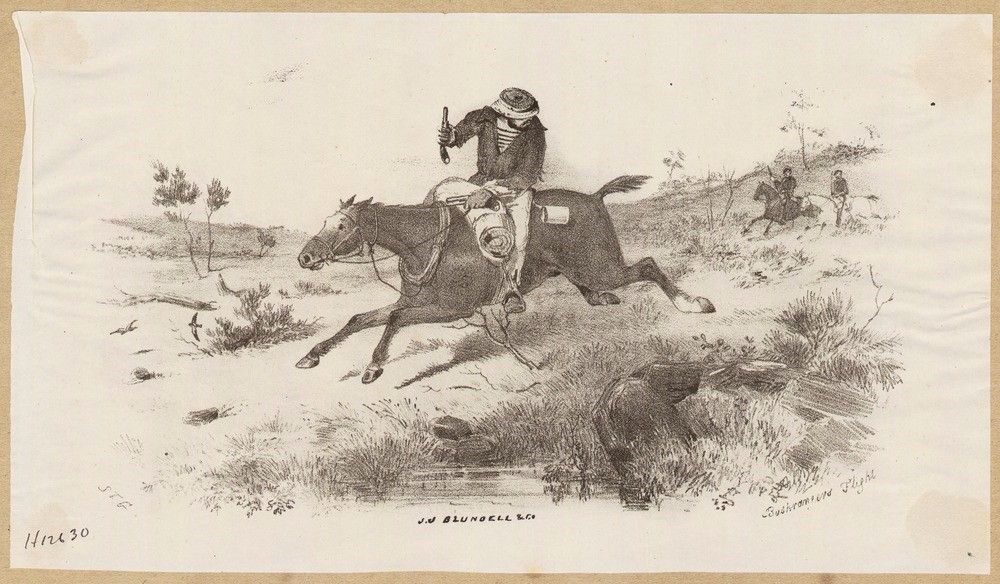
On 15 October 1769, during his first voyage along the coast of New Zealand, Lieutenant James Cook watched a group of Maori men attempt to seize a servant from his landing party and haul him away in a canoe. The attempt failed and the servant was recovered, but Cook marked the spot on his chart with a name that stuck: Kidnappers Bay.

According to the Maori version of events recorded at the time, the men believed they were not abducting a stranger at all, but rescuing a Maori boy they thought was being held captive aboard the English ship. The misunderstanding, born of two cultures reading the same scene in entirely different ways, turned a rescue attempt into what the English recorded as a kidnapping.


Cape Kidnappers View

⬅ See all events from 15 October

Spread the word on your favourite platform!

Bridget Hurford had grown to despise her older, wealthy husband John Hurford long before she decided to have him killed. She paid a ticket-of-leave man named Dodd with cash and the promise of her husband’s own horse to strangle him in his bed at Vasse, first arranging for the man who usually guarded him at night to be sent away, and had another convict quietly forge a will in her favour beforehand.

Tried and convicted alongside Dodd, Hurford was hanged first at the new Perth Gaol on 15 October 1855, attended to the last by her confessors. Witnesses who expected a dramatic collapse instead described her as quiet and subdued as she went to the gallows, even as crowds, among them women carrying infants, gathered to watch.

She fully confessed her guilt before her death, corroborating the evidence given against her at trial.

Bloody zombie woman screaming at camera on black background

⬅ See all events from 15 October

Spread the word on your favourite platform!

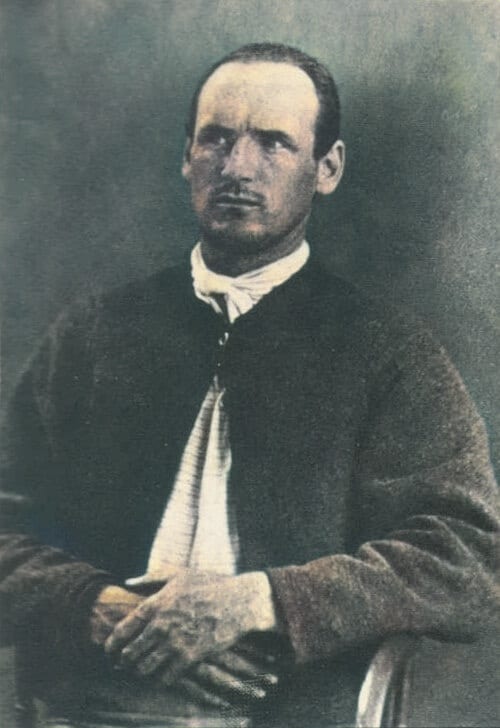
Dino Dibra, 25, was one of the early casualties of Melbourne‘s gangland war. He was gunned down on this day the moment he stepped outside his home in Sunshine West, hit multiple times in what police believed was a professional, pre-planned hit rather than a chance confrontation.

Investigators were confident a hired shooter had been waiting for him, and suspicion quickly fell on Andrew Veniamin, a figure who would go on to be linked to several more killings as the underworld conflict spread across the city. Dibra’s murder became one of the opening chapters in a decade-long cycle of tit-for-tat violence that would eventually claim more than thirty lives.

Gangland: more than a dictionary definition in Melbourne, 1998–2010.

⬅ See all events from 14 October

Spread the word on your favourite platform!

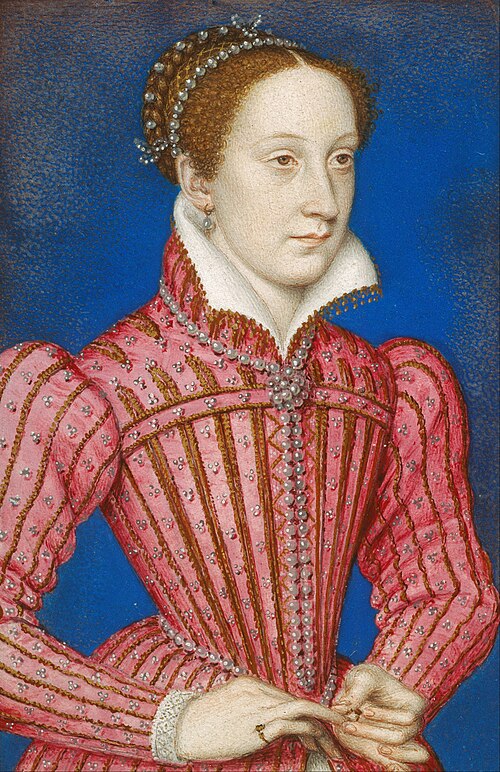
She had already lost one throne and spent nearly two decades a prisoner in England, but in October 1586 Mary, Queen of Scots, was brought before a tribunal of English noblemen at Fotheringhay Castle, accused of plotting to assassinate her own cousin, Queen Elizabeth I. Letters allegedly written in cipher, part of what became known as the Babington Plot, were produced as evidence that she had approved a plan to murder Elizabeth and seize the English crown for herself.

Mary denied any part in the conspiracy and refused at first to recognise the court’s authority over an anointed queen. The trial proceeded regardless, and the verdict that followed would send her to the executioner’s block the following year.

Portrait of Mary Queen of Scots in royal attire

⬅ See all events from 14 October

Spread the word on your favourite platform!
On This Day in True Crime History

Subscribe to Dark Stories

True crime stories, dark history and tour news, straight to your inbox.