1589: Monk Jacques Clement Stabs King Henry III to Death in Saint-Cloud

On 1 August 1589, Jacques Clement, a Dominican lay brother and zealous supporter of the Catholic League, gained an audience with King Henry III at Saint-Cloud, where the king was besieging Paris during the French Wars of Religion. Concealing a dagger beneath his cloak, Clement stabbed the king under the pretence of delivering a confidential message. The royal attendants cut Clement down immediately, but Henry III lingered until the following morning, dying after urging Henri of Navarre that conversion to Catholicism was the only path to lasting peace.

Clement, born in 1567 at Serbonnes in Burgundy, had been radicalised by League ideology and the targeted killings of its leaders, the Duke and Cardinal de Guise. His plot had the quiet blessing of Catherine de Guise, Duchess Montpensier, who saw it as righteous vengeance. The League faithful hailed him as a martyr; Royalists and Protestants condemned him as a fanatic. His corpse was posthumously quartered and burned.
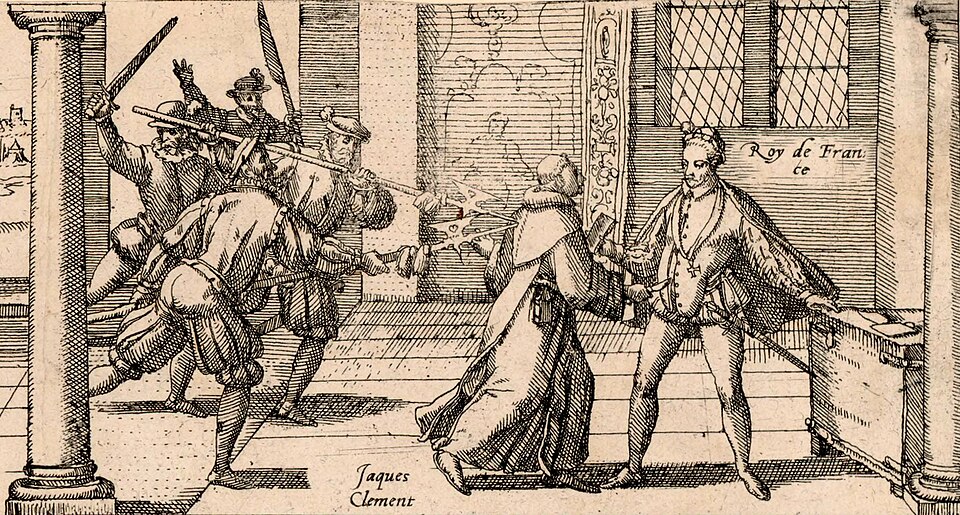

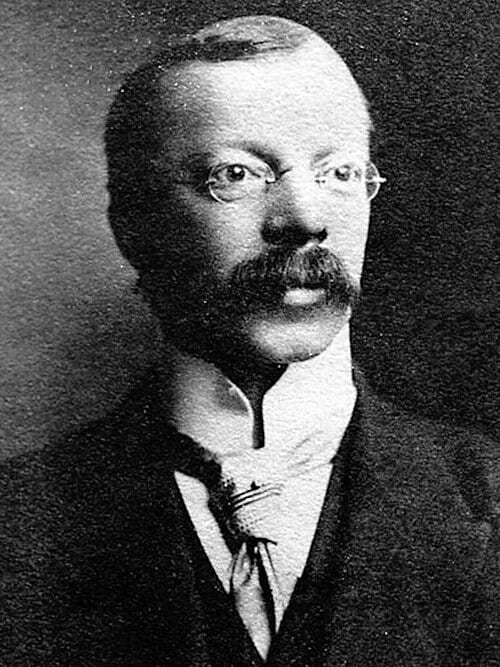
Portrait of Jacques Clement assassin of King Henry III

⬅ See all events from 1 August

Spread the word on your favourite platform!

1977: Son of Sam Shoots Final Victims in a Parked Car in Brooklyn

On the night of July 31, 1977, Stacy Moskowitz and Robert Violante, both 20, were shot while sitting in a parked car in Bath Beach, Brooklyn, on their first date. David Berkowitz, the serial killer known as the Son of Sam, fired four rounds, striking both in the head. Moskowitz died from her injuries; Violante lost his left eye. It was the final shooting in a terror campaign that had gripped New York City since 1975, leaving six dead and eleven wounded. Armed with a .44 caliber Bulldog revolver, Berkowitz had taunted police with letters promising further crimes, triggering one of the largest manhunts in the city’s history. A parking ticket proved the vital clue to his arrest on August 10, 1977. He pleaded guilty to second-degree murder and was sentenced to six concurrent life sentences.

⬅ See all events from 31 July

Spread the word on your favourite platform!

1910: Dr Crippen Captured at Sea, the First Fugitive Caught by Wireless Telegraph

American homeopath Hawley Harvey Crippen became one of history’s most notorious wife-murderers when his second wife, Cora, vanished after a dinner party at their home in Holloway, London, on the night of 31 January 1910. Crippen claimed she had returned to the United States and later died there, but Scotland Yard grew suspicious when his mistress, Ethel Le Neve, was seen openly wearing Cora’s jewellery. When police dug up the cellar at 39 Hilldrop Crescent, they found human remains.

Crippen and Le Neve fled aboard the SS Montrose bound for Canada. The ship’s captain, recognising the fugitives, used the newly available wireless telegraph to alert Scotland Yard. Chief Inspector Walter Dew boarded a faster ship, intercepted the Montrose, and arrested Crippen mid-Atlantic on 31 July 1910, making him the first criminal in history captured with the aid of wireless telegraphy. Crippen was returned to London, tried at the Old Bailey, convicted of murder, and hanged at Pentonville Prison on 23 November 1910.

Portrait of Dr Crippen early 1900s suspect in murder case

⬅ See all events from 31 July

Spread the word on your favourite platform!

1867: William Terry Hanged at Castlemaine for the Murder of Peter Reddick

William Henry Terry, known under a string of aliases including Hopkins, Williams, and Mitchell, was convicted at the Castlemaine Circuit Court before Chief Justice Sir William Stawell of the wilful murder of his mate Peter Reddick at the Coliban on 14 July 1862. The case rested on bones and other remains found at the scene, surveyed and mapped for the court. Terry had listened to the prosecution with apparent indifference throughout the trial.

On 31 July 1867, Terry was hanged at Castlemaine Gaol before around 100 witnesses. The execution was badly botched: too thick a rope and an improperly adjusted noose left him convulsing for eleven minutes, with the hangman pressing down on his shoulders to hasten death. Standing on the scaffold, Terry forgave those he blamed for his conviction, naming two detectives, Hockey and his daughter, and a man called Dring, accusing them of perjury.

Terry made no confession of the murder itself, though he had told the attending Wesleyan minister that he deserved to die for his many crimes.

Coliban River

⬅ See all events from 31 July

Spread the word on your favourite platform!
On This Day in True Crime History
1861·Nathaniel Ruby Hanged at Melbourne Gaol for the Murder of a Fellow Miner at Tarnagulla
1919·The Fitzroy Vendetta Erupts: Shots Fired into a Sly-Grog Shop, Squizzy Taylor Acquitted
1991·Sir Terence Lewis, Queensland Police Commissioner, Convicted of Corruption
More Crime On This Day

Subscribe to Dark Stories

True crime stories, dark history and tour news, straight to your inbox.