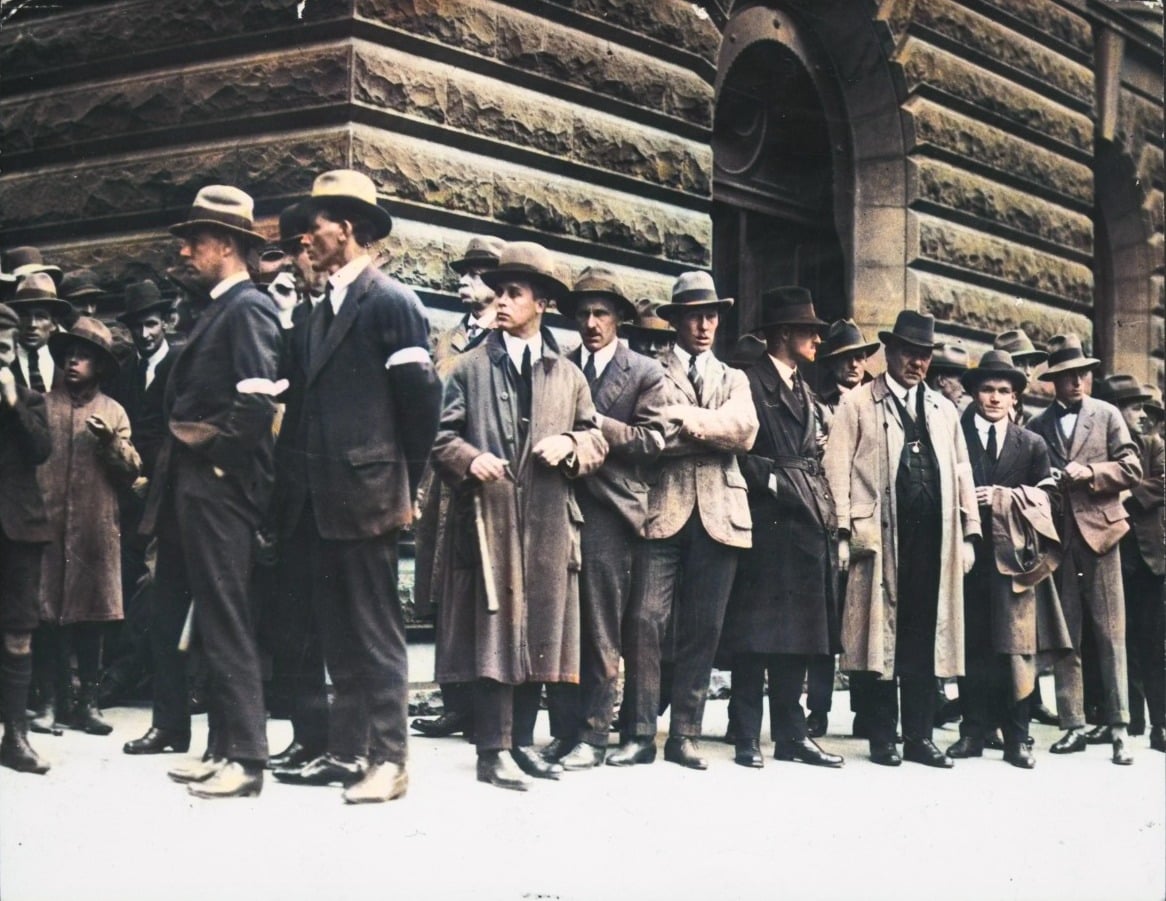
A boy’s dog scratching at a rubbish heap near a flour mill uncovered a charred human head, its features burned beyond recognition. Days later a woman’s torso turned up nearby, but no one had been reported missing, and the case stalled until police found a torn scrap of calico left in a landlady’s cellar by a young butcher named William Henry Scott. It matched, thread for thread, a fragment of chemise recovered with the remains.

After nine days of police court hearings, Scott was committed for trial on 31 October 1866, accused of a murder most foul: that of a Sydney woman with whom he had been living as husband and wife. The magistrate praised the remarkable police investigation, which had traced an entire body back to a single scrap of fabric, describing the case as “unprecedented in our annals of crime”.
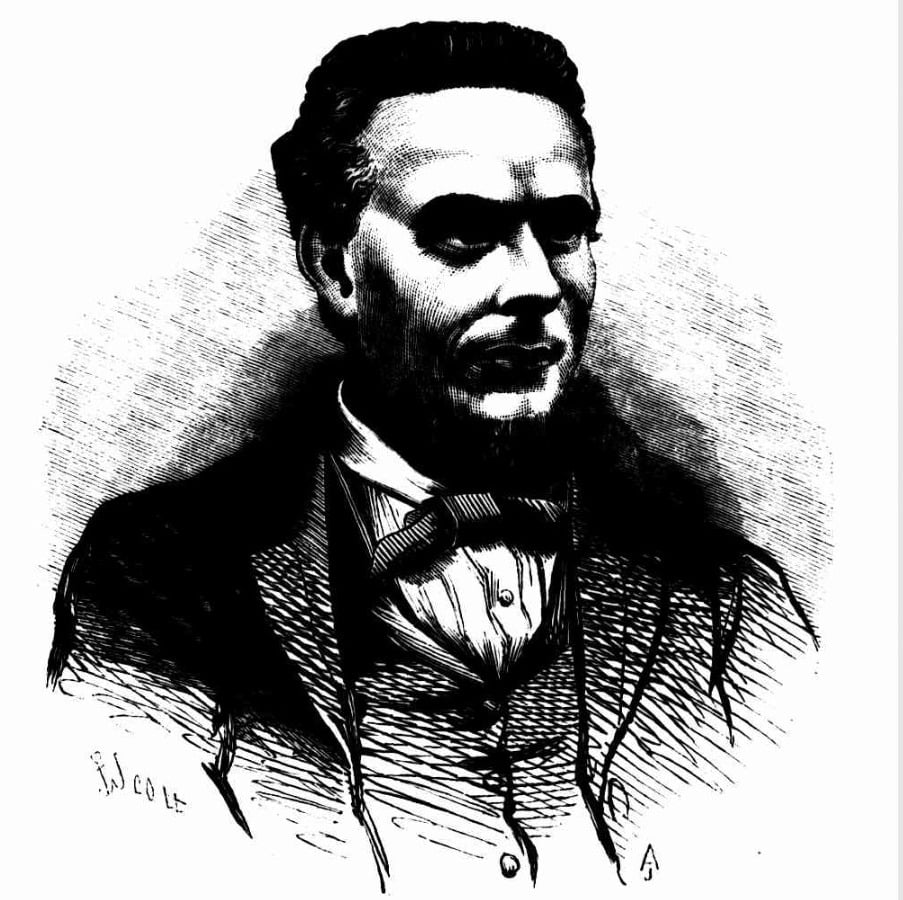

William Henry Scott under sentence of death 1867 for murder most foul

⬅ See all events from 31 October

Spread the word on your favourite platform!

Kenneth Bianchi knew exactly what awaited him if convicted of the Hillside Strangler killings, so when police closed in he struck a deal: testify against his older cousin, Angelo Buono, and escape execution himself. The two men had spent months luring women across Los Angeles, assaulting and killing them, before Bianchi turned Crown witness against the very relative he had once called a partner.

On this day in 1983, both men were found guilty on the same day of multiple counts of assault and murder. Buono, despite his cousin’s testimony against him, also avoided death row and was sentenced to life without parole. Bianchi, for his cooperation, received a sentence of 118 years, his life spared by the words he gave up about his own family.

Hillside Strangler: Aerial view of rush hour traffic on the 101 Ventura Freeway

⬅ See all events from 31 October

Spread the word on your favourite platform!

Thomas Sanders and his accomplice, John Johnson, burst into a farmhouse at Keilor, outside Melbourne, and held the farmer, his pregnant wife and their teenage servant girl at gunpoint for six hours. They nailed the windows shut, hung the family’s double-barrelled gun out of reach, then settled by the fire to fry a stolen ham and drink the household’s wine and brandy while their captives sat bound and silent in the kitchen.

At trial, Sanders admitted his involvement in the robbery but disputed the evidence against him on the more serious charge. Both men were convicted, and Sanders was hanged on 31 October 1861. The rope had been improperly adjusted, leaving him struggling on the gallows for three minutes. He maintained his innocence of the capital offence to the end, declaring before the execution crowd, “I stand before you innocent of the offence for which I am about to die… I swear I am innocent.”

Cast-iron pan with pork belly cooking over a forest campfire

⬅ See all events from 31 October

Spread the word on your favourite platform!

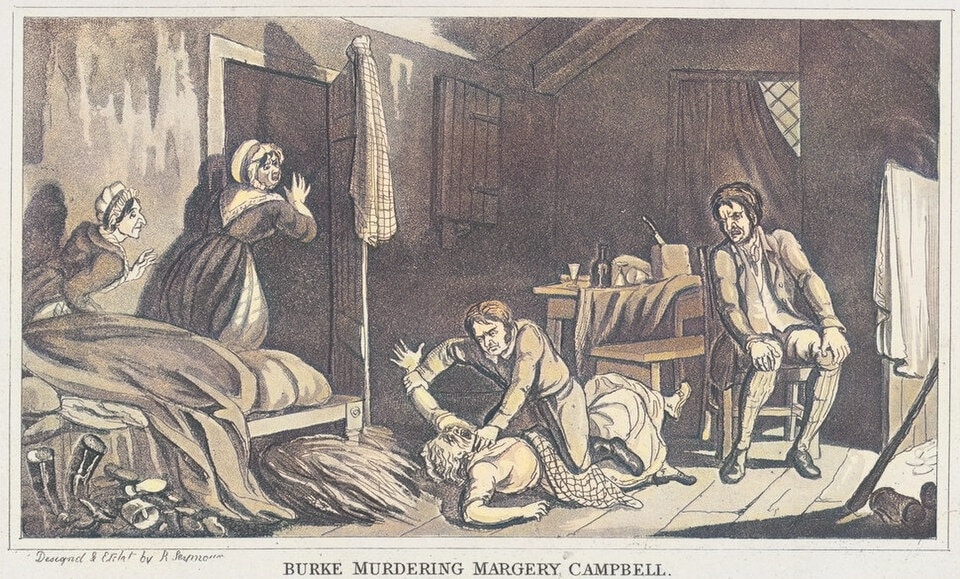
Margery Campbell, an Irish woman also known as Margaret Docherty, was lured into William Burke’s lodging house in Edinburgh on 31 October 1828 after Burke struck up a conversation with her on the street, claiming a shared homeland. A night of drinking followed, and before it ended Burke and his accomplice William Hare had suffocated her, the sixteenth victim in a killing spree that had run through the city for months.

Her body was found hidden under straw by fellow lodgers Ann and James Gray, who went straight to the police. The discovery ended the partnership for good: Hare turned Crown witness to save himself, and Burke went to the gallows for a murder that finally could not be concealed.

Burke murdering Margery Campbell historical crime illustration

⬅ See all events from 31 October

Spread the word on your favourite platform!
On This Day in True Crime History

Subscribe to Dark Stories

True crime stories, dark history and tour news, straight to your inbox.