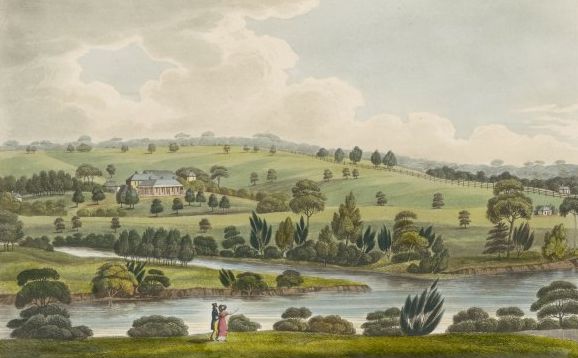
A boy’s dog scratching at a rubbish heap near a flour mill uncovered a charred human head, its features burned beyond recognition. Days later a woman’s torso turned up nearby, but no one had been reported missing, and the case stalled until police found a torn scrap of calico left in a landlady’s cellar by a young butcher named William Henry Scott. It matched, thread for thread, a fragment of chemise recovered with the remains.

After nine days of police court hearings, Scott was committed for trial on 31 October 1866, accused of a murder most foul: that of a Sydney woman with whom he had been living as husband and wife. The magistrate praised the remarkable police investigation, which had traced an entire body back to a single scrap of fabric, describing the case as “unprecedented in our annals of crime”.
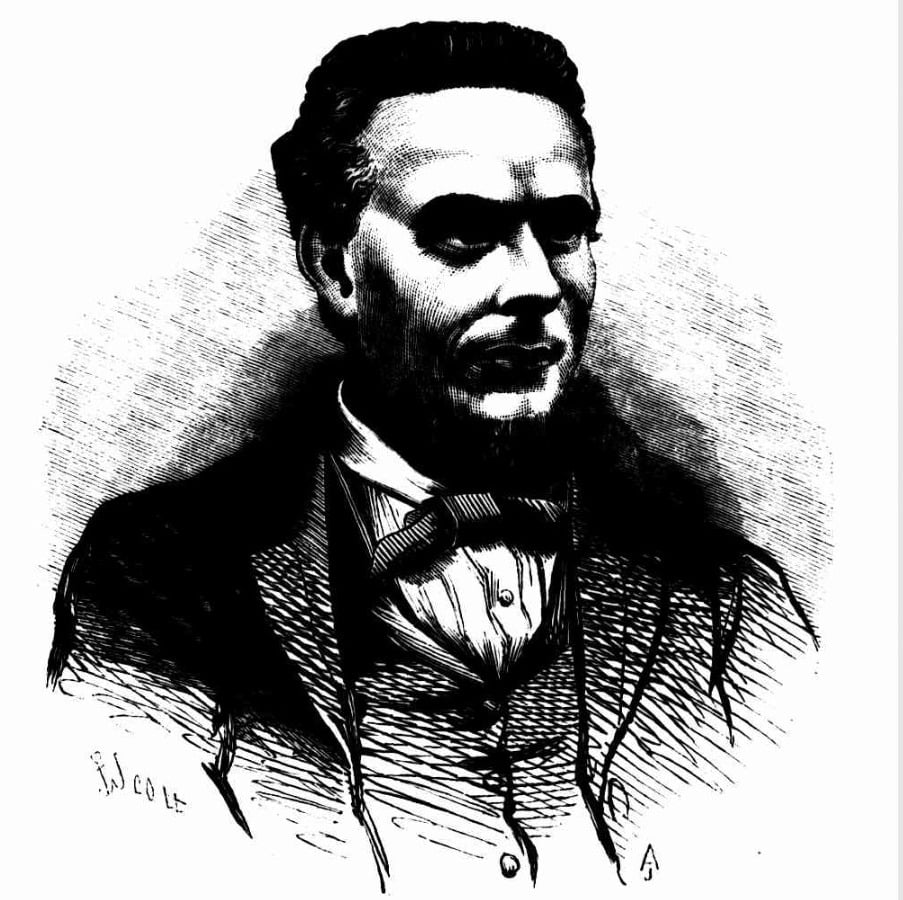

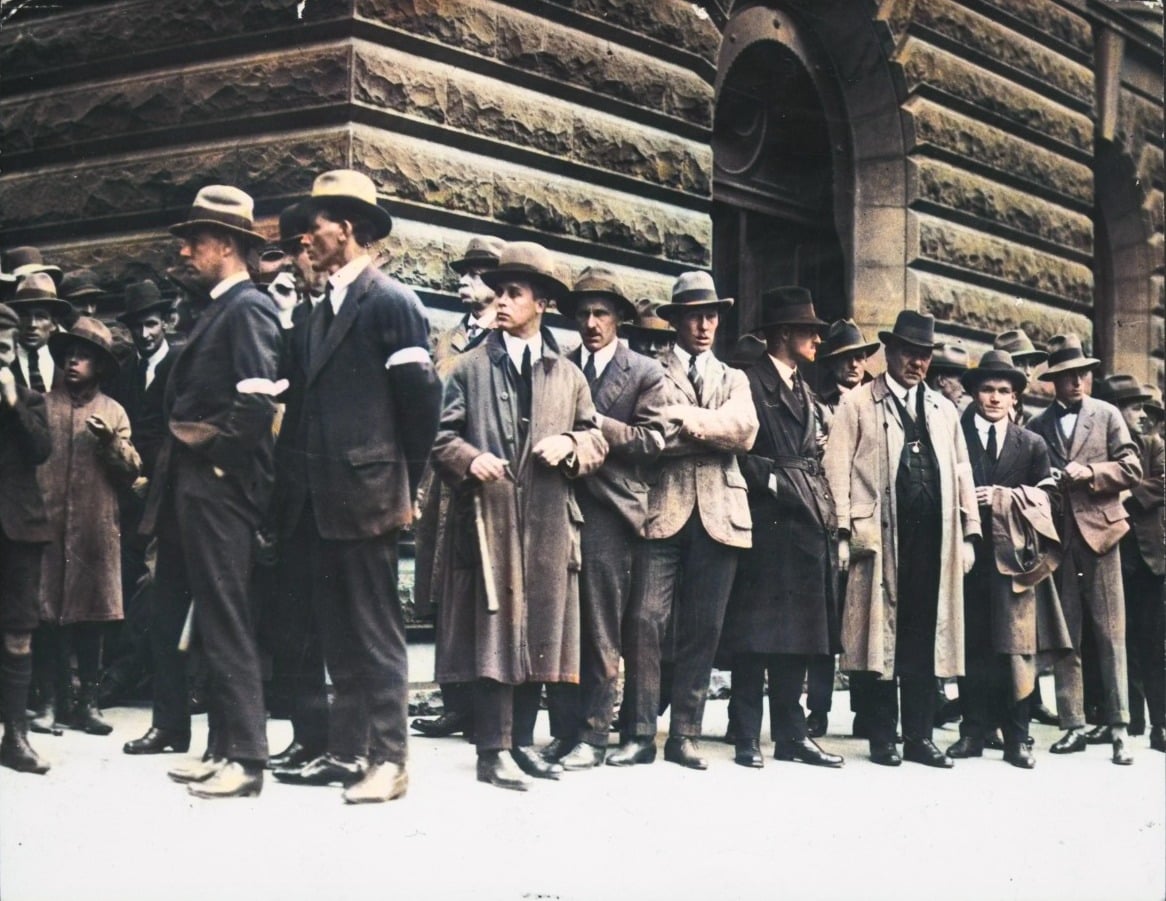
William Henry Scott under sentence of death 1867 for murder most foul

⬅ See all events from 31 October

Spread the word on your favourite platform!

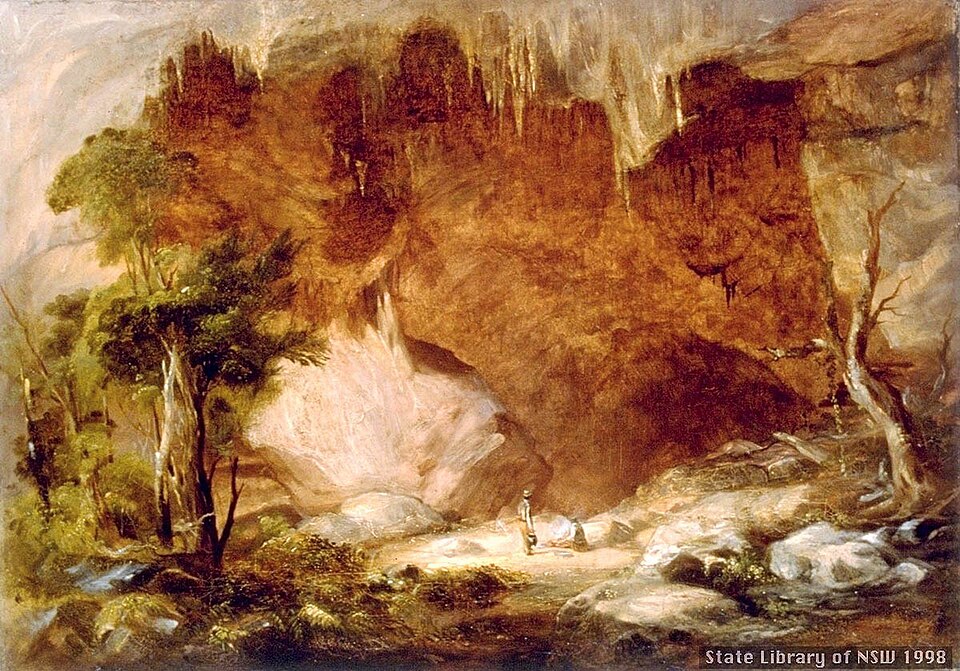
James Yardsley was drinking keg beer with fellow farm servants in a hut near Deloraine on the night of 26 July 1851 when, after a separate scuffle outside, he strode back in and told Robert Hudson he would be his “butcher to night.” He stabbed Hudson three times with a pocket knife while another labourer, Bush, wrestled for the blade and begged him to stop; Hudson collapsed with wounds to his chest, arm and back.

Convicted of wounding with intent to do bodily harm, Yardsley was hanged at Launceston on this day in 1851, the same port where he had landed as a transported convict sixteen years earlier.

When his employer confronted him that night, Yardsley answered flatly, “I’ve done it, and am willing to suffer,” and later said he was ready to “die on the gallows for it.”

Butcher and butcherer

⬅ See all events from 31 October

Spread the word on your favourite platform!

Kenneth Bianchi knew exactly what awaited him if convicted of the Hillside Strangler killings, so when police closed in he struck a deal: testify against his older cousin, Angelo Buono, and escape execution himself. The two men had spent months luring women across Los Angeles, assaulting and killing them, before Bianchi turned Crown witness against the very relative he had once called a partner.

On this day in 1983, both men were found guilty on the same day of multiple counts of assault and murder. Buono, despite his cousin’s testimony against him, also avoided death row and was sentenced to life without parole. Bianchi, for his cooperation, received a sentence of 118 years, his life spared by the words he gave up about his own family.

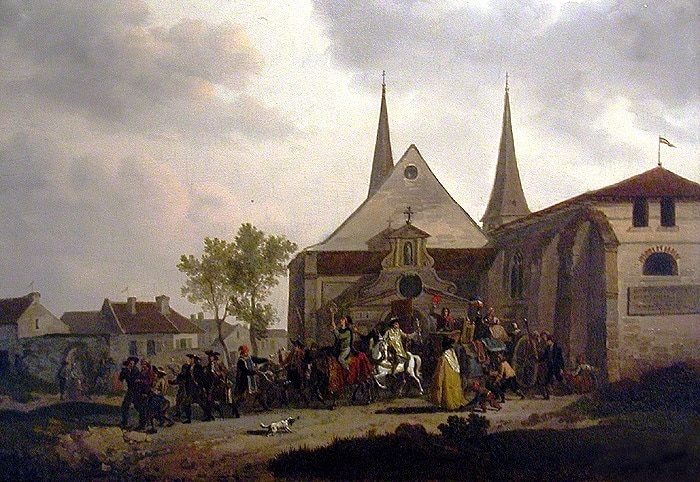
Hillside Strangler: Aerial view of rush hour traffic on the 101 Ventura Freeway

⬅ See all events from 31 October

Spread the word on your favourite platform!

Laura Ann Aime left a Halloween party in Lehi, Utah, on this day in 1974 and never made it home. Hikers found her body on the banks of a river in American Fork Canyon almost a month later, on Thanksgiving Day.

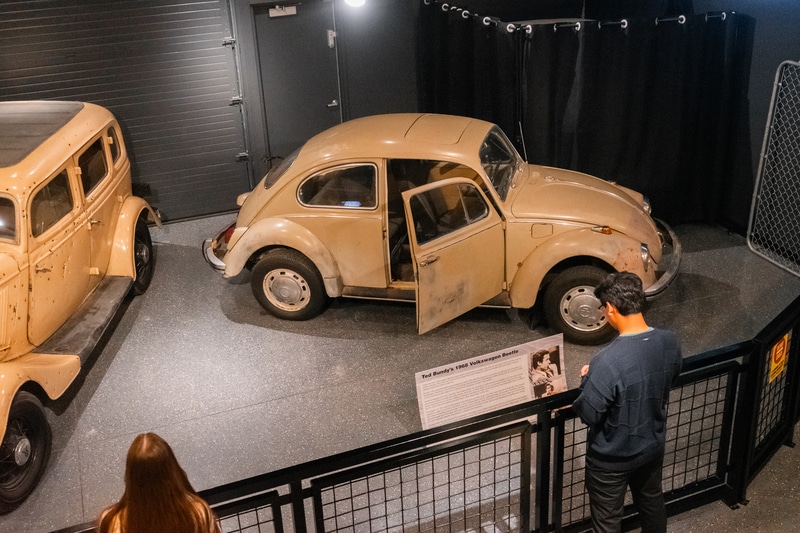
At the time, Ted Bundy was living nearby in Salt Lake City, studying law at the University of Utah, while already murdering women across the region. Before his 1989 execution in Florida, he confessed to killing her, but refused to give any detail, so investigators would not close the file on his word alone.

It took new DNA testing, decades later, to formally confirm his guilt, finally closing the case 51 years after Laura disappeared.

Exhibit with the Volkswagen of serial killer Ted Bundy. Pigeon Forge, Tennessee, USA - December 18 2025: The Volkswagen of serial killer Ted Bundy in an exhibit the Alcatraz East Crime Museum | ID 426074004 © Raisamacouze | Dreamstime.com
ID 426074004 © Raisamacouze | Dreamstime.com

⬅ See all events from 31 October

Spread the word on your favourite platform!
On This Day in True Crime History

Subscribe to Dark Stories

True crime stories, dark history and tour news, straight to your inbox.