Archives: Dark Stories: On This Day In True Crime History - Page 48
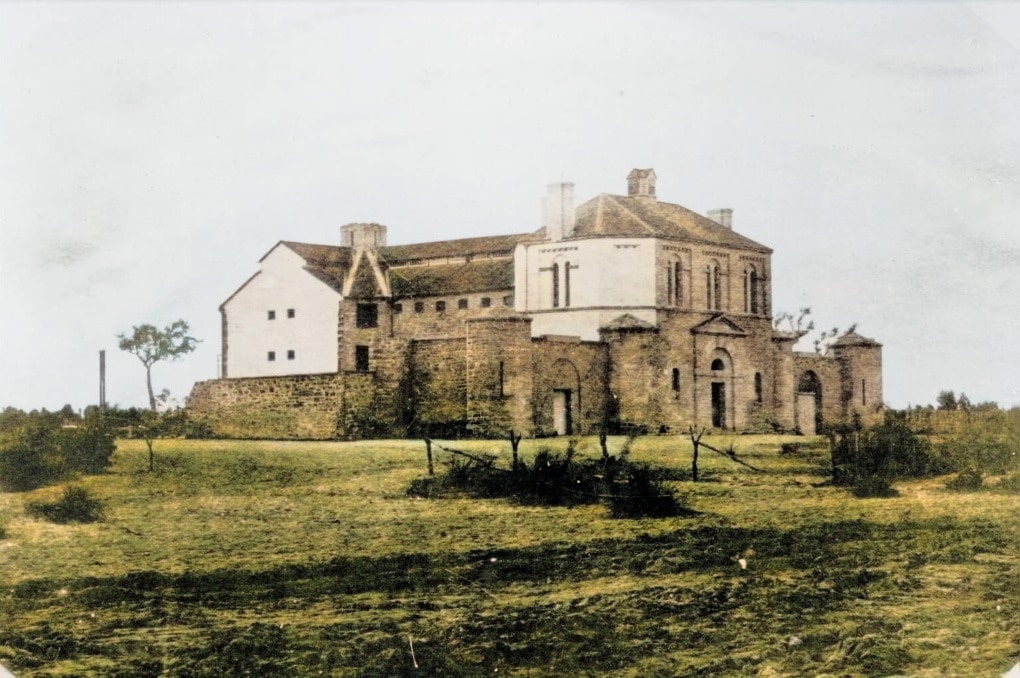
In August 1963, Perth police discovered a rifle hidden in bushes, linked to the murder of Shirley McLeod. Rather than remove it, they set a trap: replacing the weapon with an inoperable replica tied with fishing line, then waited.
On 1 September 1963, Eric Edgar Cooke returned to retrieve the rifle and was arrested on the spot. Under questioning, he confessed to 22 violent crimes, including eight murders, making him one of the deadliest serial killers in Australian history.
In the early hours of 31 August 1997, Diana, Princess of Wales, died after a high-speed car crash in the Pont de l’Alma tunnel beside the River Seine in Paris. The Mercedes carrying her struck a concrete pillar while being pursued by press photographers. Diana was 36. Dodi Fayed and driver Henri Paul were also killed; bodyguard Trevor Rees-Jones was the sole survivor.
French investigators concluded that Paul had been driving at excessive speed while affected by alcohol and prescription drugs. The crash nevertheless became the subject of numerous conspiracy theories, including claims that Diana and Dodi were deliberately killed, that British intelligence or members of the Royal Family were involved, and that the collision had been engineered to prevent an alleged marriage or pregnancy.
These allegations were examined in detail by Britain’s Operation Paget investigation, which found no evidence of a conspiracy to murder Diana. A subsequent British inquest, concluded in 2008, returned a verdict of unlawful killing caused by the grossly negligent driving of Henri Paul and the pursuing paparazzi.
For months in 1985, Richard Ramirez, the Night Stalker, terrorised California, breaking into homes while families slept to assault, mutilate, and murder. His reign of terror ended not with a police operation but with a newspaper front page: once his mugshot was published across California media, his anonymity was gone.
On 31 August 1985, Ramirez attempted to carjack vehicles in the Boyle Heights neighbourhood of East Los Angeles. Residents recognised him, chased him down the sreet, and beat him to the ground before police arrived to take him into custody. Facing the mob, Ramirez reportedly confessed to officers, preferring arrest to the alternative.
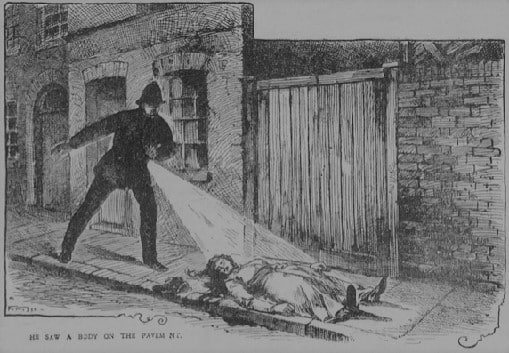
Mary Ann Nichols, known as Polly, was 43 years old, a divorced mother of five, and homeless on the night she died. In the early hours of 31 August 1888, she went to the streets of Whitechapel, London, to earn money for a bed. Her body was found before 4 a.m., her throat slashed with a long-bladed knife and her abdomen deeply cut. There were no witnesses.
Nichols became the first of at least five women murdered in and around Whitechapel between late August and early November 1888 by the killer who would become known as Jack the Ripper. Her death ignited intense press and public interest in both the murders and the desperate living conditions of London’s East End.
Despite countless theories, the killer Jack The Ripper, has never been identified.
Illustration of PC Neil discovering the body of Mary Ann Nichols with his lantern. Unknown artist, 1888. Published in Famous Crimes Past and Present, c.1903. Public domain.