In the early hours of September 23, 1986, 23-year-old penguin parade worker Beth Barnard was found stabbed to death in a house on Phillip Island, Victoria. A blanket had been placed over her body, but beneath it her throat had been cut, her nightgown pushed up, and her body slashed and stabbed repeatedly, with defensive wounds on her hands. Cigarette butts and a knife lay near the body, and bloodied paper towels were stuffed around the bathroom sink.

Carved into her chest was a knife wound resembling the letter A, leading some to dub the killing the Scarlet Letter murder. Barnard had been having an affair with her married employer, Fergus Cameron, a founding shareholder of the Phillip Island Grand Prix. The night before her body was found, his wife, 36-year-old Vivienne Cameron, learned the truth and smashed a wine glass across his head and back before driving him to hospital.

Fergus spent that night at his sister’s house while Vivienne asked friends to mind their two young sons. She then vanished and was never seen again. A coroner later found that Vivienne had contributed to Beth Barnard’s death and concluded that she had taken her own life by jumping from the nearby San Remo Bridge, although her body has never been recovered.
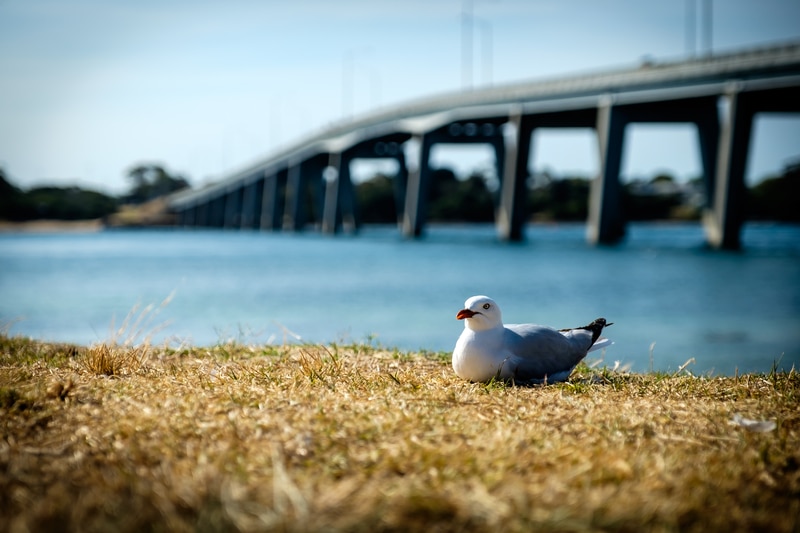

Seagull portrait on grass with San Remo Bridge blurred behind

⬅ See all events from 23 September

Spread the word on your favourite platform!

On September 22, 1933, ten prisoners broke out of the Indiana State Prison at Michigan City in a violent escape that killed two guards. The breakout was planned from inside by seasoned bank robber Harry Pierpont, with handguns smuggled to the crew by John Dillinger, freshly paroled after nine years behind bars, using arrangements made by Pierpont’s girlfriend.

In a strange twist, Dillinger himself was not among the men who walked free that day. Just days earlier he had been arrested and jailed in Dayton, Ohio, meaning his former cellmates had to turn around and break him out shortly after springing themselves. The escapees would go on to form the core of the notorious Dillinger gang, launching a violent crime spree across the American Midwest.

A Government agent later wrote that Dillinger’s career “graphically illustrates the inadequacies of our system,” noting that nine years in prison had done nothing to rehabilitate a man determined to become a professional bank robber.

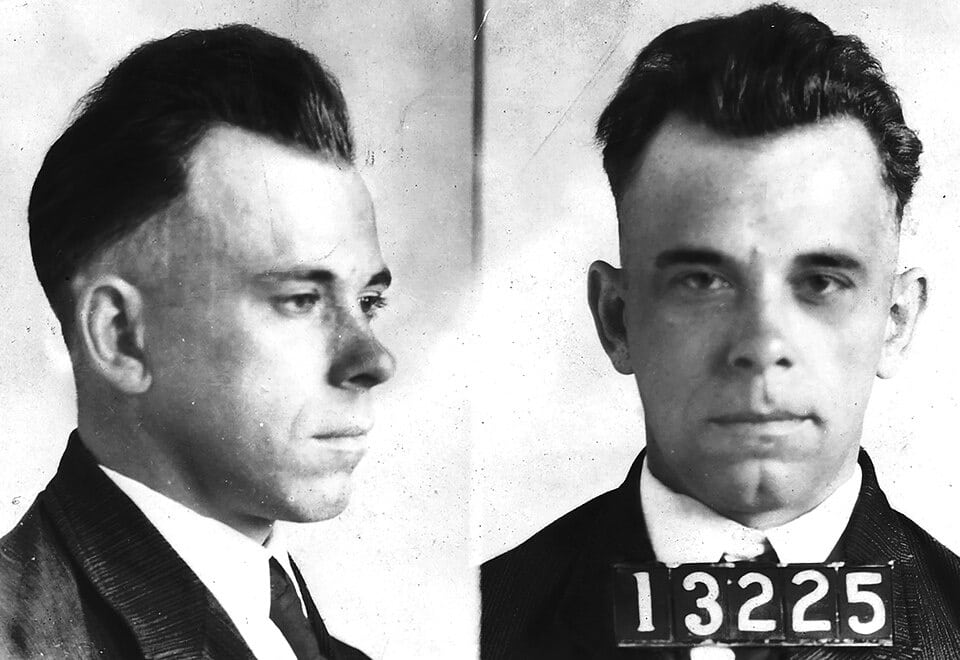
John Dillinger 1924 mugshot

⬅ See all events from 22 September

Spread the word on your favourite platform!

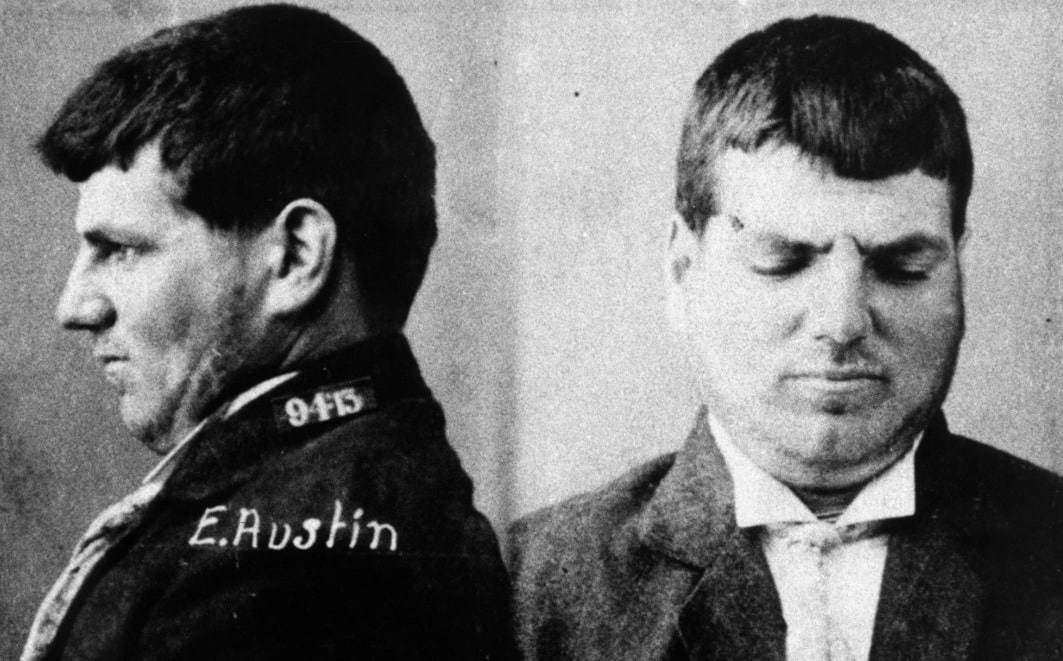
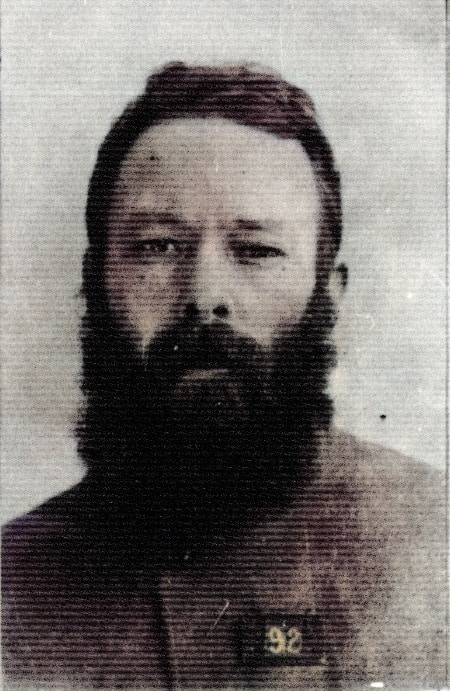
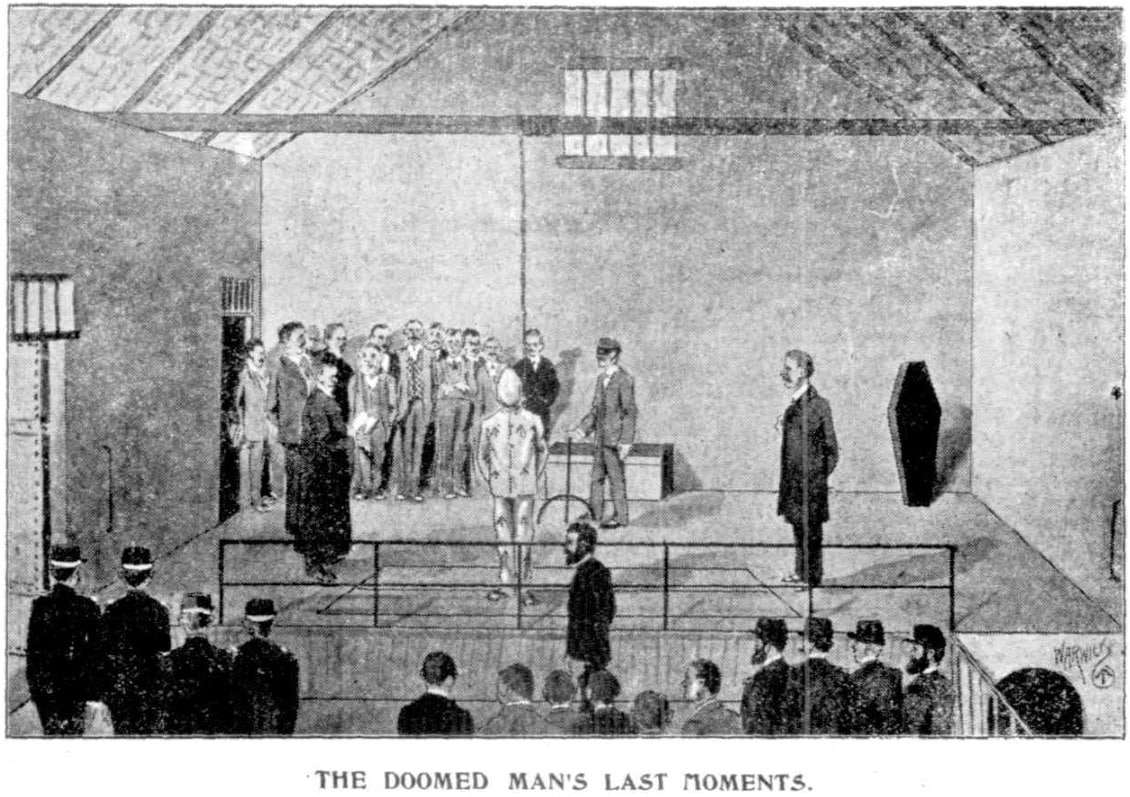
Ernest Austin was the last person ever executed in Queensland. The 23-year-old farm labourer was hanged in Brisbane in September 1913 for a murder committed at Samford three months earlier.    Reporters noted that the brilliance of the spring morning made it hard to grasp what was happening a few yards away. A chaplain led the procession to the scaffold, reciting the burial service. The condemned man looked in remarkably good health; his appetite had stayed “voracious to the very last”, and he had gained 28 pounds in gaol.    Asked if he had anything to say, he spoke in low, clear tones, waving his right hand for emphasis: “I say straight out that I quite deserve this punishment.” As the white cap was drawn over his face he added: “Send a wire to my mother.”

Prison identification photo of Ernest Austin last man hanged in Queensland

⬅ See all events from 22 September

Spread the word on your favourite platform!

Captain Nathan Hale, a young American officer serving under George Washington, was captured behind British lines on Long Island while gathering intelligence on troop movements ahead of the British occupation of New York City. Found with incriminating documents hidden in his boots, he was condemned without a formal trial and hanged by the British the following morning, on the orders of General William Howe.

Hale was reportedly denied the services of a clergyman and even a Bible in his final hours. He was hanged from a tree or ladder, with no gallows or drop, meaning death likely came slowly by strangulation rather than a broken neck.

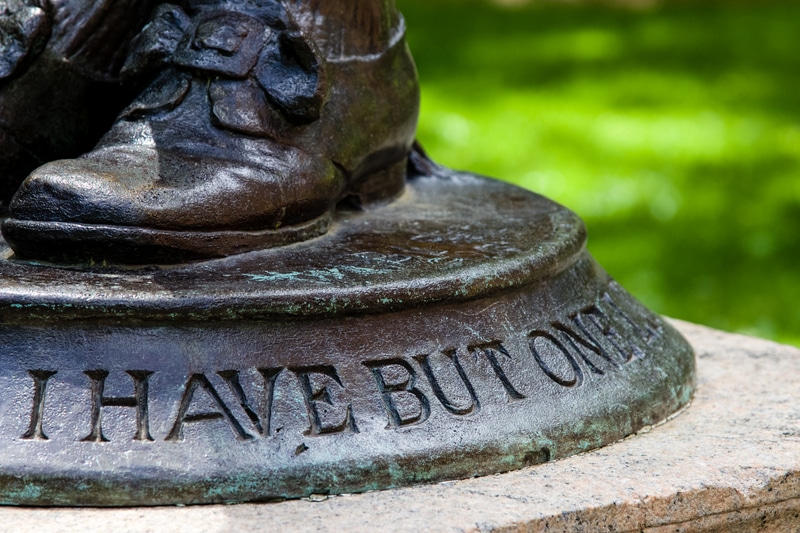
His last words are reputed to have been, “I only regret that I have but one life to give for my country,” a line said to echo a sentiment from a play he had read, and one that transformed him into an enduring symbol of American revolutionary sacrifice despite his execution as a spy.

Nathan Hale statue detail with partial quote I have but one

⬅ See all events from 22 September

Spread the word on your favourite platform!
On This Day in True Crime History

Subscribe to Dark Stories

True crime stories, dark history and tour news, straight to your inbox.