Bushranger James Macpherson, known as the Wild Scotchman, entered the St Helena Island penal settlement in Moreton Bay, Queensland, on 14 September 1866 to begin serving a 25 year sentence for mail robbery.

He did not serve his time quietly. On 11 April 1870, Macpherson took part in a mass escape attempt, breaking free of the stockade with six other prisoners and hiding in the scrub around the island. He was shot in the wrist during his recapture and returned to custody.

Despite the harsh sentence and the failed breakout, Macpherson was eventually released by executive clemency in 1874.
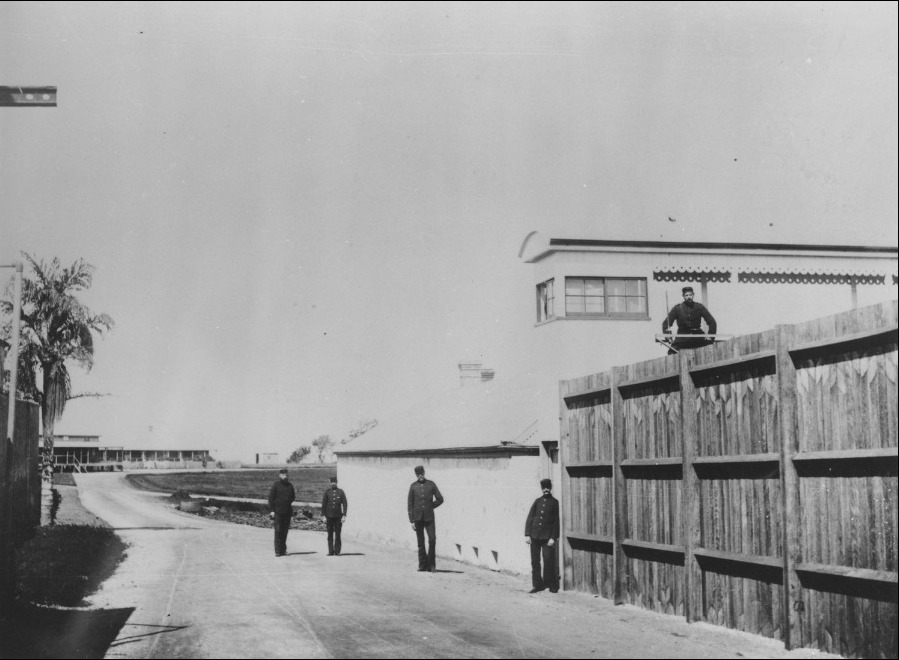

Prison guards on St. Helena, ca. 1893. State Library of Queensland, negative number 60065.

⬅ See all events from 14 September

Spread the word on your favourite platform!

Nine week old Azaria Chamberlain vanished from her family’s tent at a campsite near Ayers Rock on the night of 17 August 1980. Her mother, Lindy Chamberlain, said she had seen a dingo leaving the tent, and the baby’s blood stained jumpsuit was found nearby days later, but her body was never recovered. A first inquest in 1981 accepted the dingo account and found no evidence of foul play.

That finding was overturned on appeal, and a second inquest opened on 13 September 1982, reopening a case that had already divided the country. This inquest went the other way, committing Lindy Chamberlain for trial on a charge of murder, a reversal that would send her to prison and make her one of the most publicly vilified women in Australian history.

Lindy Chamberlain was convicted later that year and sentenced to life imprisonment, but the case unravelled in 1986 when a piece of Azaria’s matinee jacket was found near a dingo lair, corroborating the original account. She was released and eventually exonerated, and a fourth inquest in 2012 formally confirmed that a dingo had taken and killed the child.

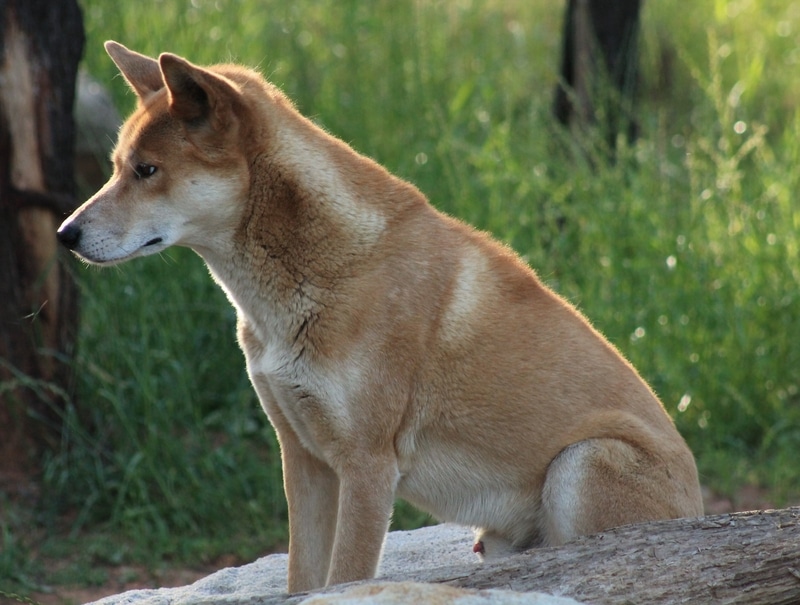
Australian dingo standing in bushland setting

⬅ See all events from 13 September

Spread the word on your favourite platform!

On Friday 13th September 1973, 20-year-old David McGreavy was left babysitting the three Ralph children in Worcester while their parents were out. He killed all three.

McGreavy then took a pick-axe to the bodies before impaling the remains on the wrought iron fence spikes of the house next door, where they were discovered by neighbours. The killings, carried out on the date now inseparable from bad luck and horror folklore, later fed the case’s grim nickname as Britain’s real life Friday the 13th murders. McGreavy was convicted and given three life sentences.

Friday the 13th
#image_title

⬅ See all events from 13 September

Spread the word on your favourite platform!

John Taylor and George Waters had absconded from the notorious penal settlement at Macquarie Harbour, Van Diemen’s Land’s infamous secondary punishment station for repeat offenders, before turning to highway robbery. Their crime involved robbing soldiers of their arms, a particularly bold offence that ultimately led to their conviction.

Both men were sentenced to death on 2 September 1826 and hanged together at Hobart just eleven days later, on 13 September 1826.

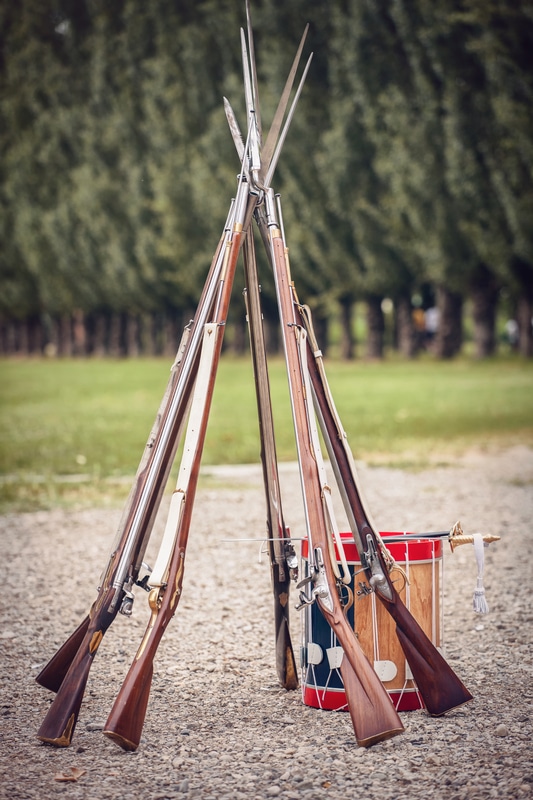
British Army drum and muskets historical military equipment

⬅ See all events from 13 September

Spread the word on your favourite platform!
On This Day in True Crime History
1855·The Wife Who Forged a Will and Bought a Murderer: Bridget Hurford Hanged at Perth
1855·Hanged at Perth, William Dodd Spent His Final Words Blaming an Innocent Man
1855·"I Am Sorry I Did Not Kill Him": a Convict Hanged at Perth for a Shovel Attack on a Warder
1883·A Father Who Watched Him Hang: James Gardiner Executed at Brisbane for Killing German Ada
1953·Caroline Grills Laughed During Her Own Trial for Poisoning
More Crime On This Day →

Subscribe to Dark Stories

True crime stories, dark history and tour news, straight to your inbox.