On 6 September 1924, twenty-one-year-old John Dillinger joined his friend Edgar Singleton in robbing a local grocer, Frank Morgan, as he returned home carrying the week’s takings. Dillinger struck Morgan with a cloth-wrapped iron bolt. Both men were arrested, but despite Dillinger having no prior record, he received the harsher sentence: between 10 and 20 years. Singleton, the experienced criminal who had planned the job, hired a lawyer and walked away with a lighter term.

Inside the Indiana State Reformatory, Dillinger kept his head down, worked as a seamster in the shirt factory, and carefully cultivated friendships with hardened criminals including Harry Pierpont, Homer Van Meter, and Charles Makley. These men would later form the core of the Dillinger gang. He later wrote to his father: ‘if I had gotten off more leniently when I made my first mistake this would never have happened.’
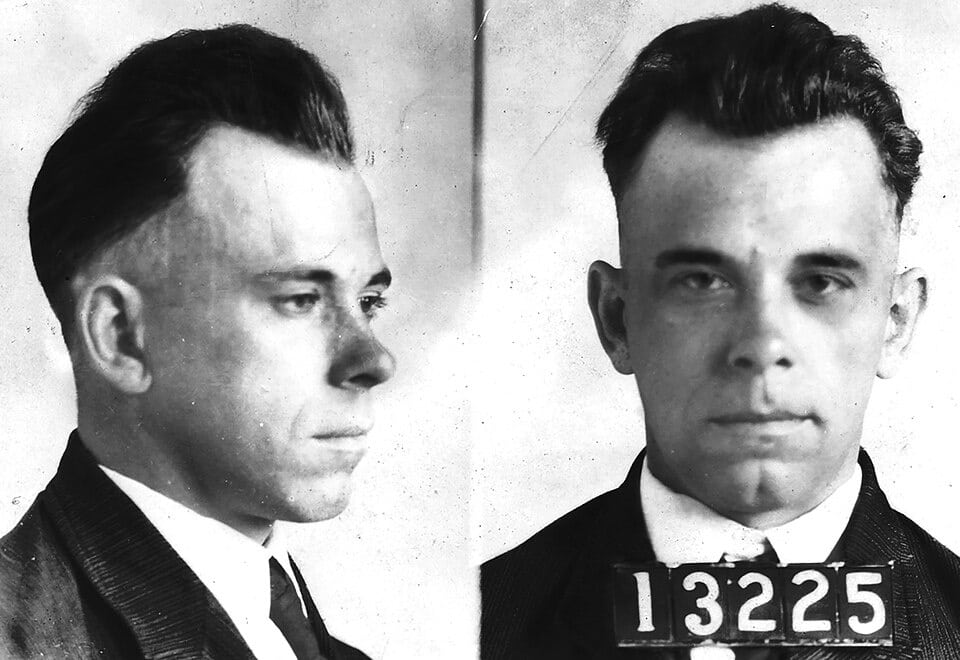

John Dillinger 1924 mugshot

⬅ See all events from 6 September

Spread the word on your favourite platform!

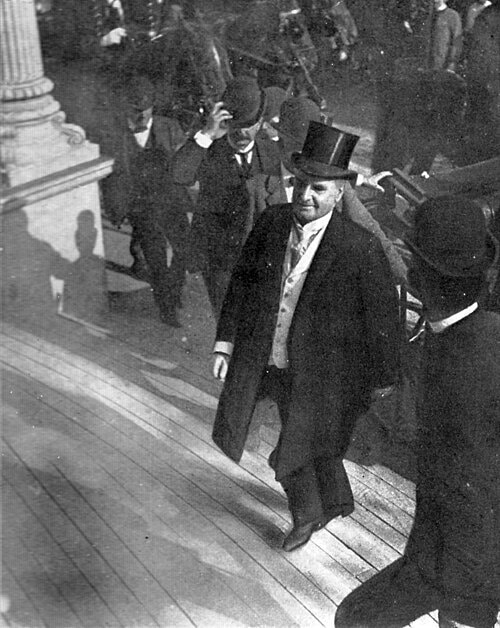
On September 6, 1901, President William McKinley was shot twice in the abdomen while shaking hands with the public at the Temple of Music during the Pan-American Exposition in Buffalo, New York. His attacker, 28-year-old Leon Czolgosz, was an anarchist who had lost his job in the Panic of 1893 and come to regard McKinley as a symbol of oppression. Despite appearing to recover initially, McKinley died on September 14 from gangrene caused by his wounds, becoming the third American president assassinated after Abraham Lincoln and James A. Garfield.

Czolgosz was convicted of first-degree murder within a month and executed by electric chair on October 29, 1901. McKinley was succeeded by Vice President Theodore Roosevelt. In the aftermath, Congress formally charged the Secret Service with protecting the president.

McKinley last photo
McKinley last photo

⬅ See all events from 6 September

Spread the word on your favourite platform!

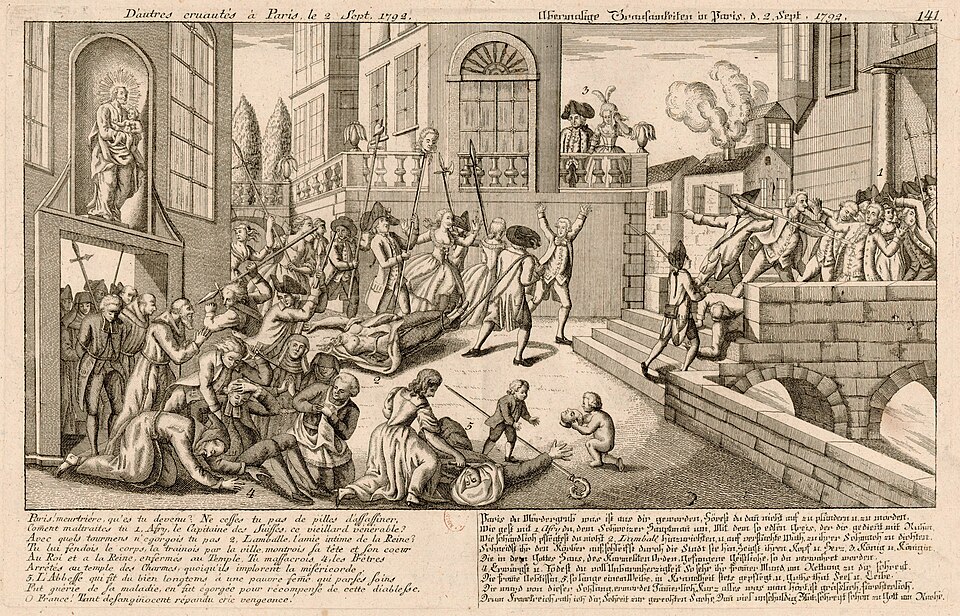
Over five days in September 1792, mobs stormed nine prisons across Paris and carried out mass summary executions of those held within. The killings were brutal in their indiscriminate reach: roughly half the prison population was slaughtered before the violence finally subsided.

An estimated three-quarters of the victims were not political prisoners at all, but common criminals, forgers, women, and children. The September Massacres remain one of the darkest episodes of the French Revolutionary period.

Engraving showing the massacre of Princess de Lamballe

⬅ See all events from 6 September

Spread the word on your favourite platform!

At 9:30 pm on 5 September 1994, Labor MP John Newman was shot twice and killed instantly in the car park of his Woods Avenue home in Cabramatta, in the western suburbs of Sydney.

His fiancee, Lucy Wang, was present but saw little due to the speed of the attack; she reported a hooded man in an army-style jacket who fired four shots and fled in a waiting car. Newman had represented Cabramatta in the NSW Legislative Assembly since 1986 and had campaigned aggressively against organised crime and drug trafficking in the area. Newman was later given a state funeral. He was 47 years old.

Grey car parked in front of a garage at night

⬅ See all events from 5 September

Spread the word on your favourite platform!
On This Day in True Crime History

Subscribe to Dark Stories

True crime stories, dark history and tour news, straight to your inbox.