Dino Dibra, 25, was one of the early casualties of Melbourne‘s gangland war. He was gunned down on this day the moment he stepped outside his home in Sunshine West, hit multiple times in what police believed was a professional, pre-planned hit rather than a chance confrontation.

Investigators were confident a hired shooter had been waiting for him, and suspicion quickly fell on Andrew Veniamin, a figure who would go on to be linked to several more killings as the underworld conflict spread across the city. Dibra’s murder became one of the opening chapters in a decade-long cycle of tit-for-tat violence that would eventually claim more than thirty lives.


Gangland: more than a dictionary definition in Melbourne, 1998–2010.

⬅ See all events from 14 October

Spread the word on your favourite platform!

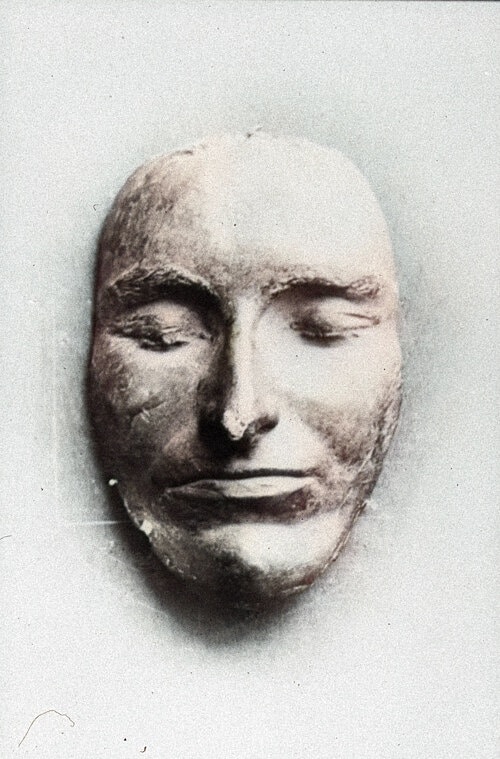
William Westwood was already notorious as Jackey Jackey, a bushranger transported twice and flogged repeatedly, when he helped lead the 1846 Cooking Pot Uprising on Norfolk Island, a desperate convict revolt sparked by brutal rations and treatment. In the chaos, three constables and an overseer were killed.

He was 26 when he was hanged on 13 October 1846, one of the largest mass executions in Australian penal history.

Death mask of William Westwood known as Jackey Jackey

⬅ See all events from 13 October

Spread the word on your favourite platform!

Two days after shooting cabdriver Paul Stine dead in San Francisco, the Zodiac Killer sent the San Francisco Chronicle a taunting letter dated October 13, 1969. Inside was a torn piece of Stine’s bloodstained shirt, offered as proof the killer was the same man terrorising the Bay Area, not a copycat.

The letter mocked police for failing to catch him despite patrols flooding the area that night, and promised more killings to come. It remains one of several pieces of physical evidence tied to an identity that, more than fifty years on, has never been conclusively proven.

Symbolism
Symbolism

⬅ See all events from 13 October

Spread the word on your favourite platform!

Before dawn on Friday 13 October 1307, royal officers across France moved on hundreds of Knights Templar at once, arresting the warrior monks in their own preceptories under sealed orders opened simultaneously nationwide. King Philip the Fair, deeply in debt to the order he had once sworn to protect, accused its knights of heresy and secret blasphemous rites.

Under torture, many confessed to charges historians now regard as fabricated to justify seizing the order’s vast wealth. The arrests marked the beginning of the end for the Templars, who were suppressed within a few years and their leaders burned at the stake, and contributed to the enduring misfortune of the date of Friday the 13th.

Medieval illustration of the Grand Master of the Templars burning at the stake.

⬅ See all events from 13 October

Spread the word on your favourite platform!
On This Day in True Crime History
1855·The Wife Who Forged a Will and Bought a Murderer: Bridget Hurford Hanged at Perth
1855·Hanged at Perth, William Dodd Spent His Final Words Blaming an Innocent Man
1855·"I Am Sorry I Did Not Kill Him": a Convict Hanged at Perth for a Shovel Attack on a Warder
1883·A Father Who Watched Him Hang: James Gardiner Executed at Brisbane for Killing German Ada
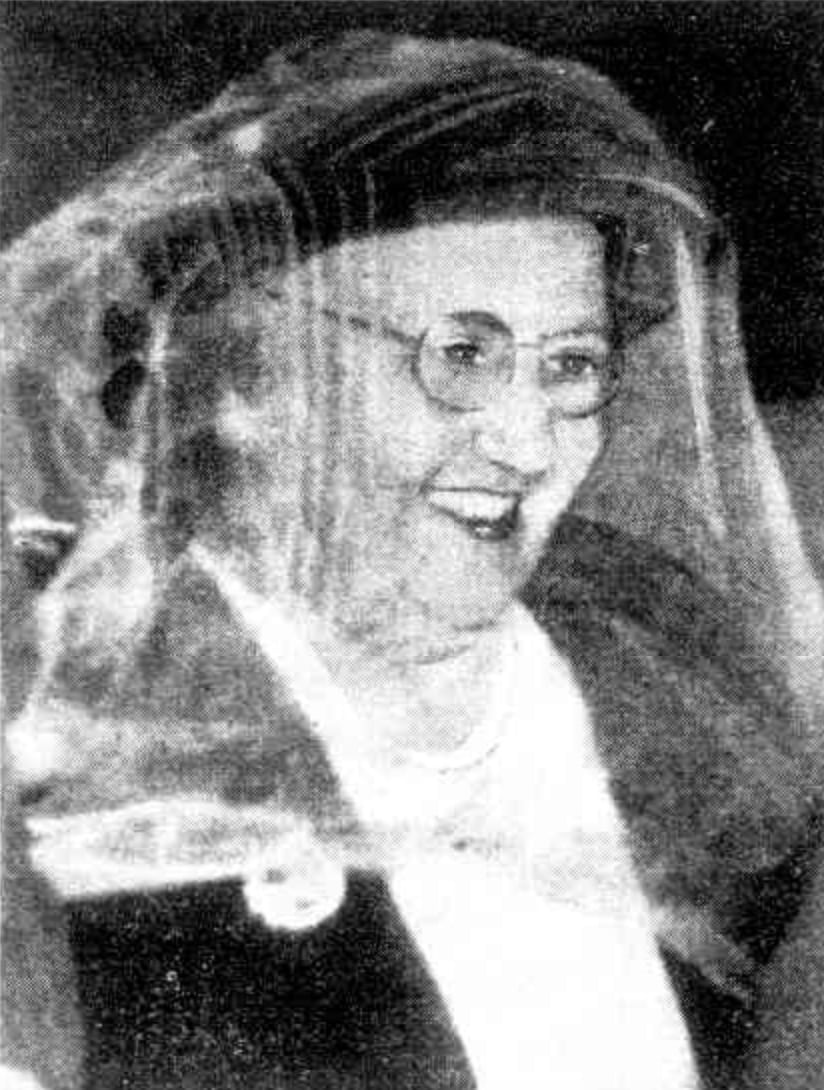
1953·Caroline Grills Laughed During Her Own Trial for Poisoning
More Crime On This Day →

Subscribe to Dark Stories

True crime stories, dark history and tour news, straight to your inbox.