1975: The Bystander Who Saved a President: Second Failed Attempt on Gerald Ford in San Francisco

Just seventeen days after Lynette Fromme aimed a pistol at Gerald Ford in Sacramento, a second attempt on the president’s life unfolded outside a hotel in San Francisco on September 22, 1975. Sarah Jane Moore, a 45-year-old activist and FBI informant, fired a single shot from a .38 revolver at Ford as he left the St. Francis Hotel, missing him by only a few feet.

The shot went wide largely because of a bystander, former Marine Oliver Sipple, who was standing nearby and grabbed Moore’s arm as she fired, deflecting her aim. Moore was wrestled to the ground and arrested at the scene.

She pleaded guilty to attempted assassination of a president and was sentenced to life in prison. Moore later expressed regret over the attempt, and she was eventually paroled in 2007 after more than three decades behind bars.
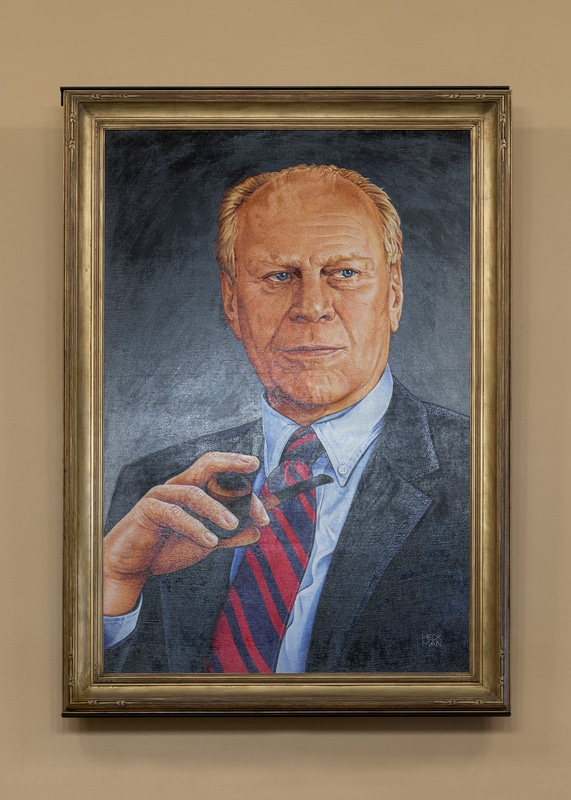

Gerald Ford portrait in the Michigan State Capitol at 100 N Capitol Avenue in Lansing, Michigan | ID 103716497 © Glenn Nagel | Dreamstime.com
ID 103716497 © Glenn Nagel | Dreamstime.com

⬅ See all events from 22 September

Spread the word on your favourite platform!
True Crime Scene Tape

1776: But One Life to Give: Nathan Hale Hanged as a Spy in New York City

Captain Nathan Hale, a young American officer serving under George Washington, was captured behind British lines on Long Island while gathering intelligence on troop movements ahead of the British occupation of New York City. Found with incriminating documents hidden in his boots, he was condemned without a formal trial and hanged by the British the following morning, on the orders of General William Howe.

Hale was reportedly denied the services of a clergyman and even a Bible in his final hours. He was hanged from a tree or ladder, with no gallows or drop, meaning death likely came slowly by strangulation rather than a broken neck.

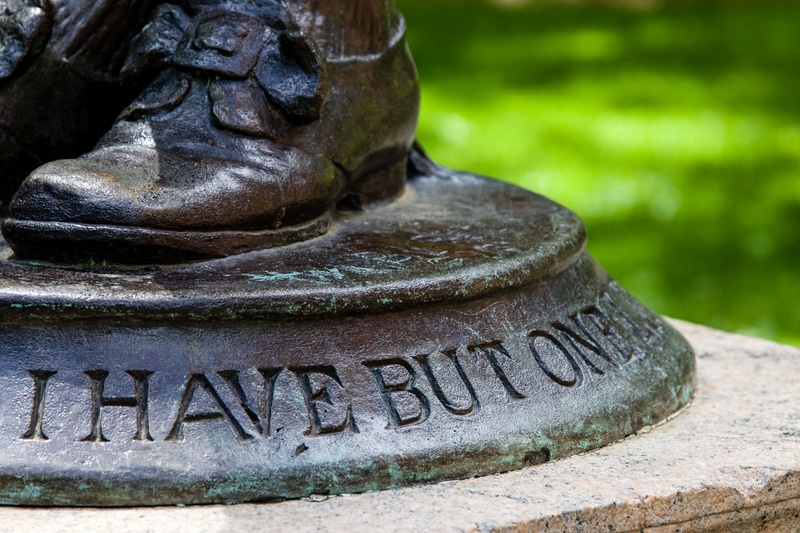
His last words are reputed to have been, “I only regret that I have but one life to give for my country,” a line said to echo a sentiment from a play he had read, and one that transformed him into an enduring symbol of American revolutionary sacrifice despite his execution as a spy.

Nathan Hale statue detail with partial quote I have but one

⬅ See all events from 22 September

Spread the word on your favourite platform!
True Crime Scene Tape

1976: Rejected From a Model Plane Club, He Opened Fire on the Streets of Spring Hill in Brisbane

On 22 September 1976, 36-year-old William Robert Wilson opened fire on Boundary Street in Spring Hill, a suburb of Brisbane. Armed with a .22-calibre rifle and 500 rounds of ammunition, he killed two teenage girls and wounded four other people. He had reportedly been upset after being rejected for membership by a model plane club.

Wilson then fled to a house in nearby Kelvin Grove and took five student teachers hostage. After around two hours of negotiations, one hostage escaped by pretending she needed the bathroom. Police stormed the house around 4pm, exchanging gunfire with Wilson before overpowering him and freeing the remaining captives.

Wilson spent three years in Hospital before being considered fit to plead. On 23 June 1980, he pleaded guilty to two murders and four attempted murders, receiving two life sentences and concurrent ten-year prison terms.

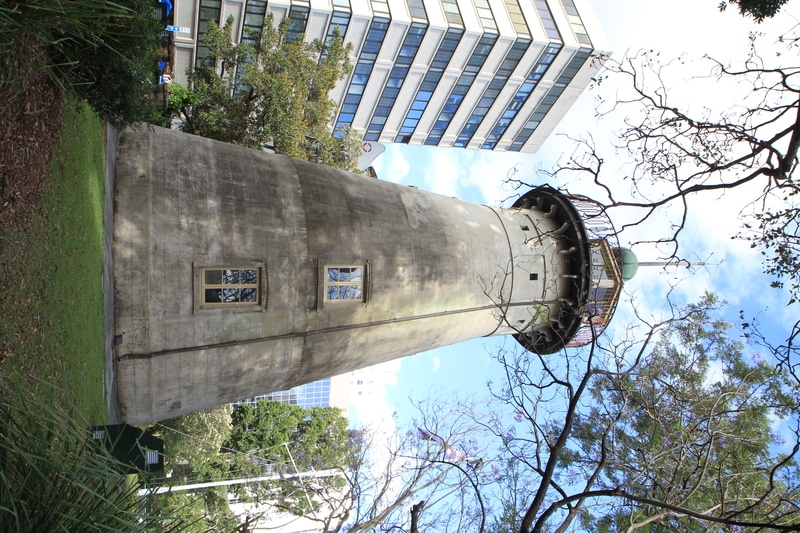
Old Windmill Brisbane, built by convicts at Moreton Bay penal settlement

⬅ See all events from 22 September

Spread the word on your favourite platform!
True Crime Scene Tape

1889: Was Jack a Jill? Rumours of a Female Ripper Emerge in London

Jack the Ripper was a woman. That was the possibility London newspapers began to report: that the killer who had horrified the world for months was a woman disguised as a man, living and working unnoticed in Whitechapel. By the time the story spread, she had reportedly vanished. Police were confidently believed to be “at last on the track” of the murderer, and there was suddenly talk of “his or her crimes”.

Who, it was asked, could walk the streets at night without suspicion, possess the anatomical knowledge the mutilations suggested, and risk being found beside a body? One answer: a woman who was, or had been, a midwife. Discovered bending over a victim, she need only say she had been passing by and thought the woman required her medical attention. Though largely discounted, the Jill the Ripper theory has never completely gone away.

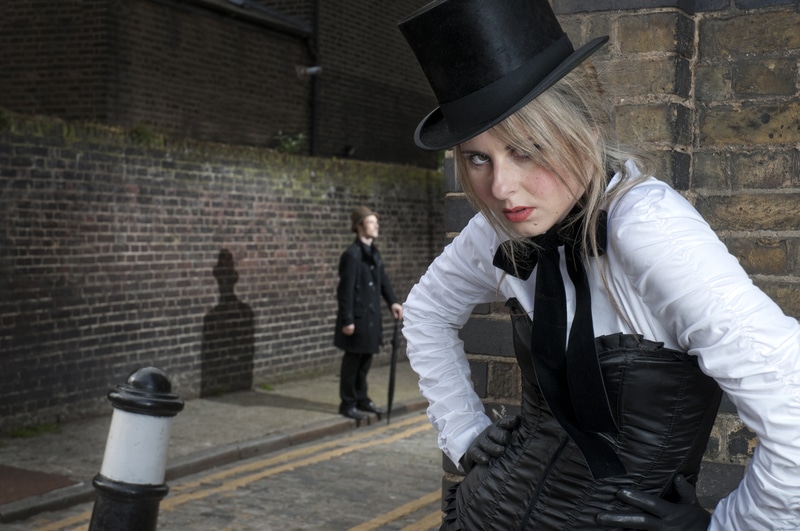
Victorian woman in London street with man in background

⬅ See all events from 21 September

Spread the word on your favourite platform!
True Crime Scene Tape
On This Day in True Crime History

Subscribe to Dark Stories

True crime stories, dark history and tour news, straight to your inbox.