John Billington had been a troublemaker since the Mayflower crossing, defying Myles Standish and drawing accusations in a colony revolt, always insisting he was innocent. In 1630 a long feud over land boundaries turned fatal when he ambushed and shot fellow colonist John Newcomen, reportedly after catching him robbing his traps.

A grand and petty jury found Billington guilty of willful murder. Governor William Bradford, wary of setting a precedent, consulted the leaders of the neighbouring Massachusetts Bay Colony, who agreed the killing had to be answered to purge the land from blood. Billington was hanged on 30 September 1630, becoming the first person executed in Plymouth Colony. His burial place was never recorded.
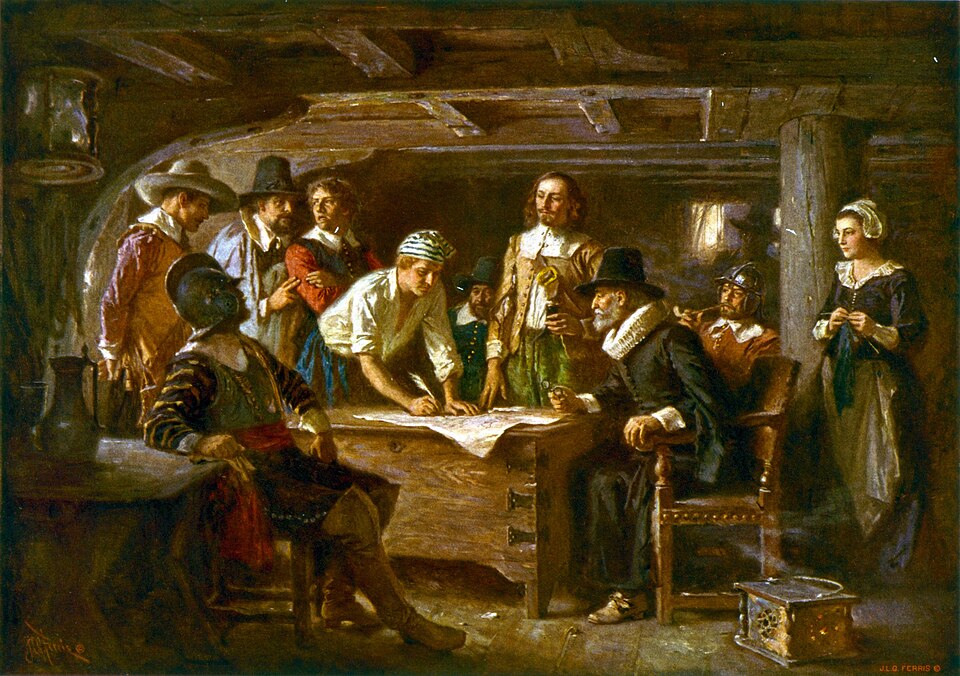

Mayflower Compact 1620 handwritten agreement document

⬅ See all events from 30 September

Spread the word on your favourite platform!

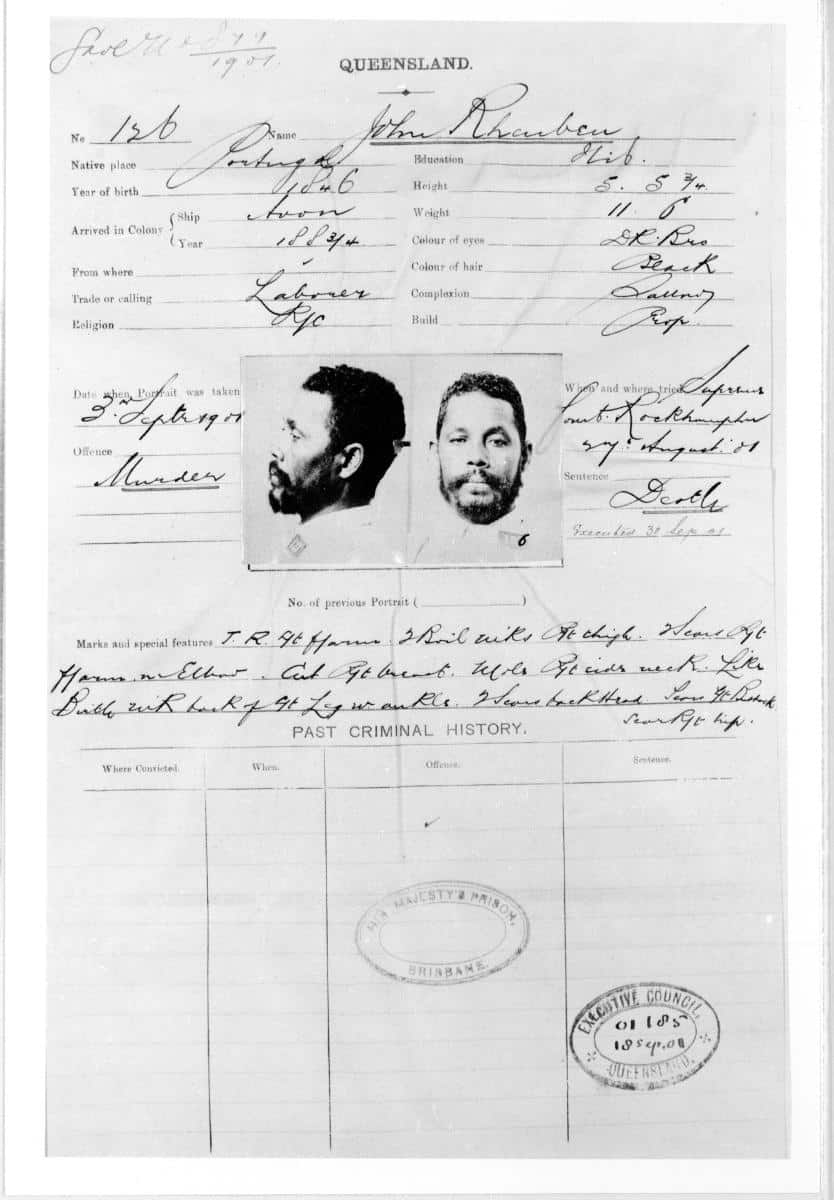
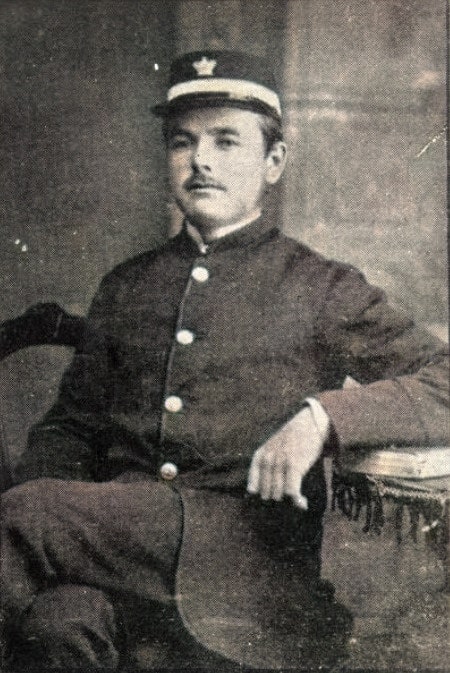
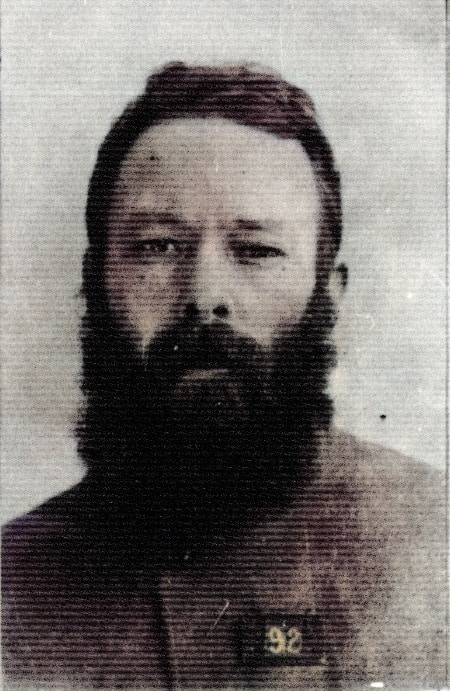
John Rheuben had lived with Fanny Hardwick for two years, supporting her mother and child, until he turned her out and she took up with another man. Furious at her refusal to return, he beat his rival twice, threatened to “do for him”, and quietly sharpened a sheath knife at the local gasworks. On a Sunday evening in Rockhampton he forced his way into the house where she was staying, dragged her into a back bedroom, and stabbed her five or six times, one wound reaching her heart.

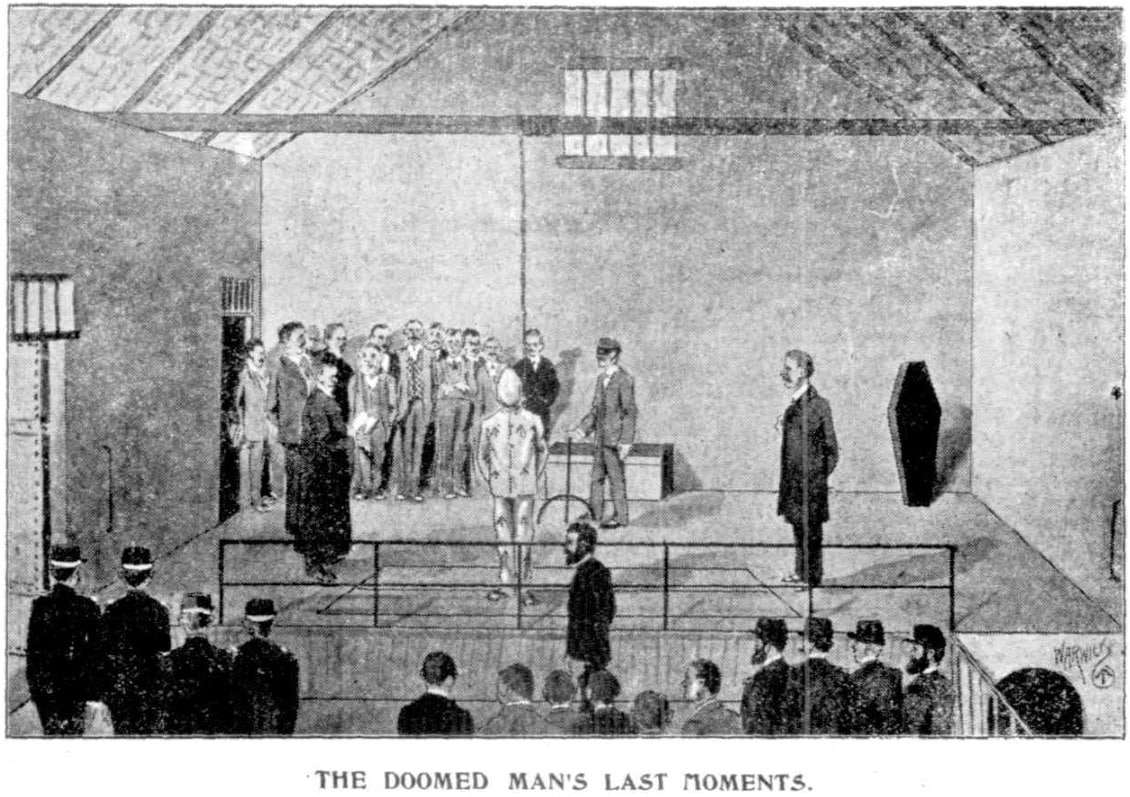
Tried before Mr Justice Power, Rheuben was convicted despite a defence of temporary insanity, and a petition for mercy signed across Rockhampton failed to move the Executive. He was hanged in Brisbane on 30 September 1901, praying loudly on the drop and thanking the warders for their kindness before the trap fell.

He never admitted the killing outright. To his priest he said only that he had been “mad drunk” and remembered striking at someone, but nothing more.

John Rheuben Criminal Record

⬅ See all events from 30 September

Spread the word on your favourite platform!

Carl Williams had already been convicted of multiple murders during Melbourne’s gangland war when he was bashed to death with the stem of an exercise bike in a high-security unit at Victoria’s Barwon Prison in 2010, an inmate supposedly protected by round-the-clock surveillance.

Matthew Charles Johnson, a fellow prisoner sharing the unit, was charged with the killing. On this day in 2011 a jury found him guilty of murdering the man once considered one of the country’s most feared underworld figures, in an attack that exposed how little safety the prison’s most secure wing actually offered its most notorious inmate.

Gangland: more than a dictionary definition in Melbourne, 1998–2010.

⬅ See all events from 29 September

Spread the word on your favourite platform!

Before 1829, London had no unified police, just a patchwork of parish constables and private watchmen who could barely keep pace with a city rife with theft, riot and violence. Home Secretary Robert Peel changed that, pushing through the Metropolitan Police Act and creating a single force answerable to the Crown rather than local vestries.

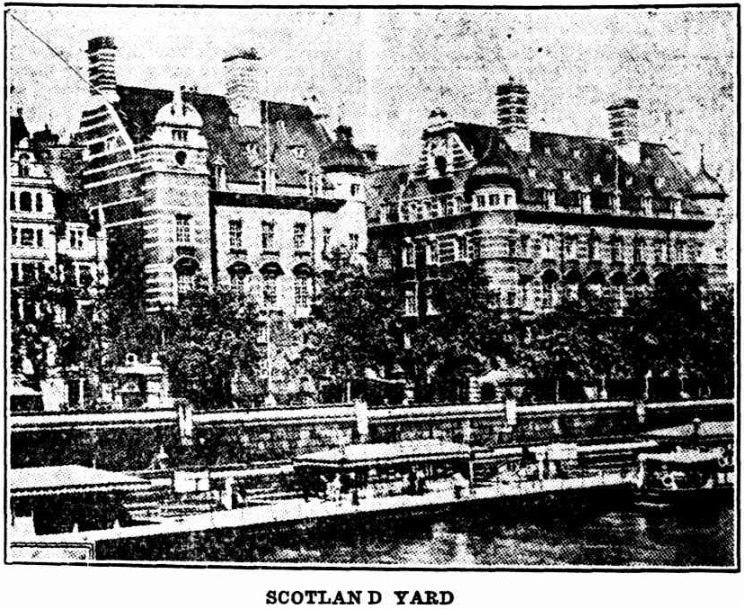
Its headquarters took its name from the street behind it, a quiet lane called Great Scotland Yard, and the name stuck long after the force outgrew the building. The new constables, soon nicknamed bobbies and peelers after their founder, were unarmed, uniformed and deeply distrusted at first by a public wary of state surveillance. Within decades Scotland Yard would become the model for modern policing worldwide, and its name a byword for criminal investigation itself.

Scotland Yard headquarters in London police force: 1929 centenary celebration

⬅ See all events from 29 September

Spread the word on your favourite platform!
On This Day in True Crime History

Subscribe to Dark Stories

True crime stories, dark history and tour news, straight to your inbox.