2002: The Monster Butler Archibald Hall Dies in Prison as the Oldest Whole-Life Inmate in Britain

Archibald Hall began as a teenage thief in Glasgow before reinventing himself behind bars, studying antiques and taking elocution lessons to erase his Scottish accent. He adopted the alias Roy Fontaine, borrowed from actress Joan Fontaine, and used the new identity to work as a butler to British aristocracy.

The disguise concealed a killer. In 1977, Hall shot a gamekeeper during a staged rabbit hunt after the man threatened to expose his criminal past, then buried him beside a stream. Later, while working for a former Labour MP and his wife, Hall and an accomplice suffocated the wife after she caught them plotting to rob the couple. They drugged her husband and drove him to Scotland, where they buried her body before strangling him and beating him with a shovel. The couple’s housekeeper was also murdered during the spree.

Convicted of four murders, Hall was sentenced to life in prison without parole. He died behind bars in Portsmouth, England, with the Monster Butler persona outliving the man who had built it.


The Butler Did Do It

⬅ See all events from 16 September

Spread the word on your favourite platform!
True Crime Scene Tape

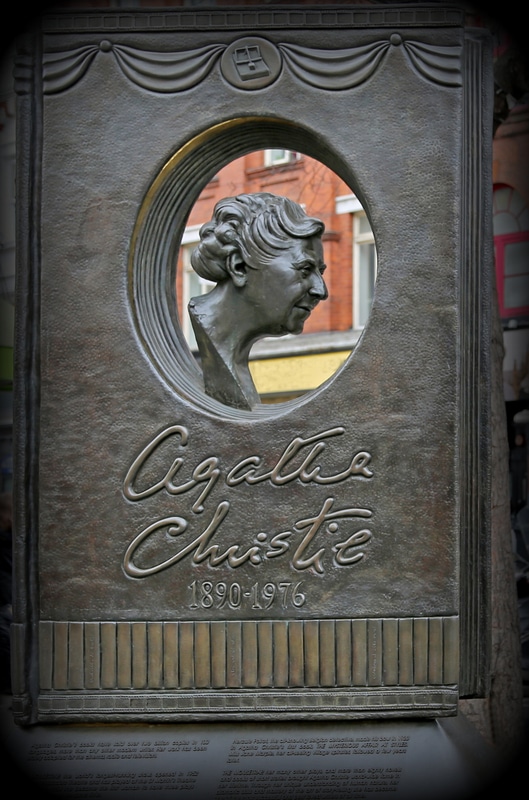
1890: The Birth of the Queen of Crime: Agatha Christie, 1890

On this date in 1890, Agatha Mary Clarissa Miller was born in Torquay, England, the woman who would become Agatha Christie and the best selling novelist in history after the Bible and Shakespeare. She went on to write 66 detective novels and 14 short story collections, creating enduring figures such as Hercule Poirot and Miss Marple.

Her own life carried a strange echo of her fiction: in 1926 she vanished for eleven days, sparking a nationwide manhunt, before being found registered under an assumed name at a Yorkshire hotel, an episode that remains unexplained to this day.

London, Great Britain -May 25, 2016: Agatha Christie Memorial, memorial to author and playwright Agatha Christie, designed by sculptor Ben Twiston-Davies | ID 153687923 © Swetlana Mehlfeld | Dreamstime.com
ID 153687923 © Swetlana Mehlfeld | Dreamstime.com

⬅ See all events from 15 September

Spread the word on your favourite platform!
True Crime Scene Tape

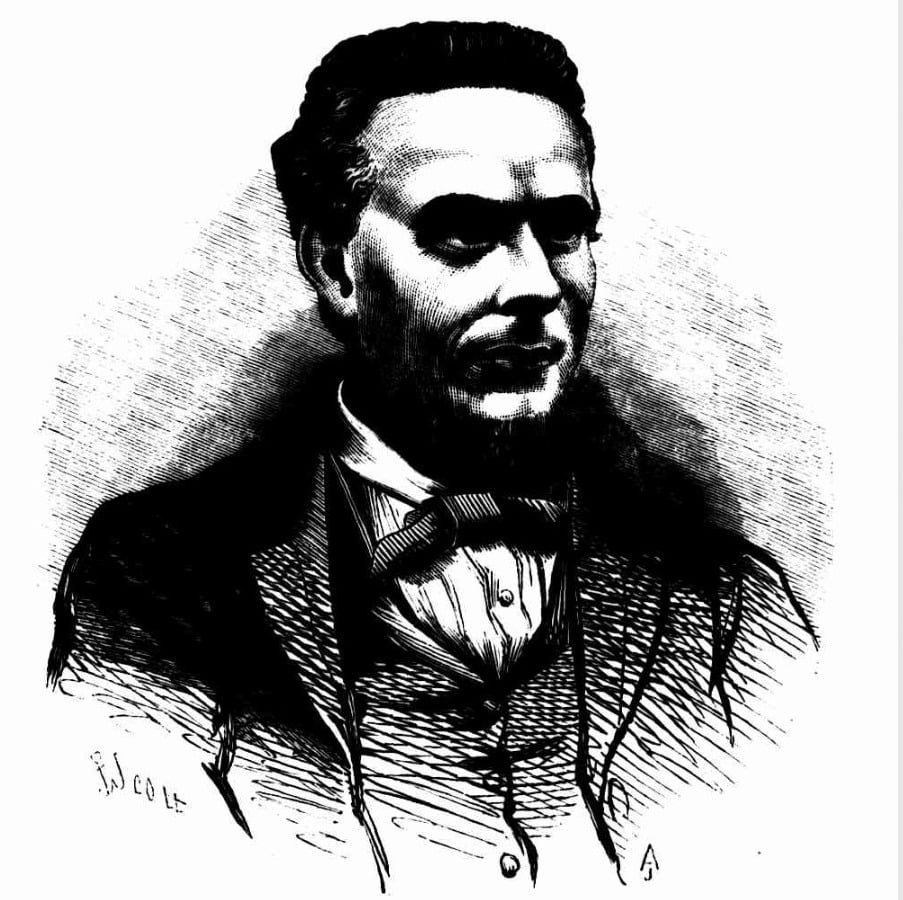
1866: The Sussex Street Mystery: A Dog Walk Leads to a Severed Head in Sydney

Eleven-year-old James Kirkpatrick was walking his dog behind Sussex Street in Sydney in September 1866 when he stumbled on a woman’s severed head half buried in a rubbish heap near Ebsworth’s tweed factory and Barker’s flour mills. Nearby lay her torso, its chest cavity completely emptied and the lower ribs charred. Despite police turning the rubbish heap over three times and combing the neighbourhood, no other body parts were ever recovered.

The case became known as the Sussex Street Mystery and gripped the colony as police pieced together the killing. It ended with the conviction and execution of a butcher, William Henry Scott, for the murder, making it one of colonial Australia’s most sensational and gruesome murder cases.

William Henry Scott under sentence of death 1867

⬅ See all events from 15 September

Spread the word on your favourite platform!
True Crime Scene Tape

1826: Property Crimes, Not Murder: Seven Men Hanged in Hobart in a Single Morning

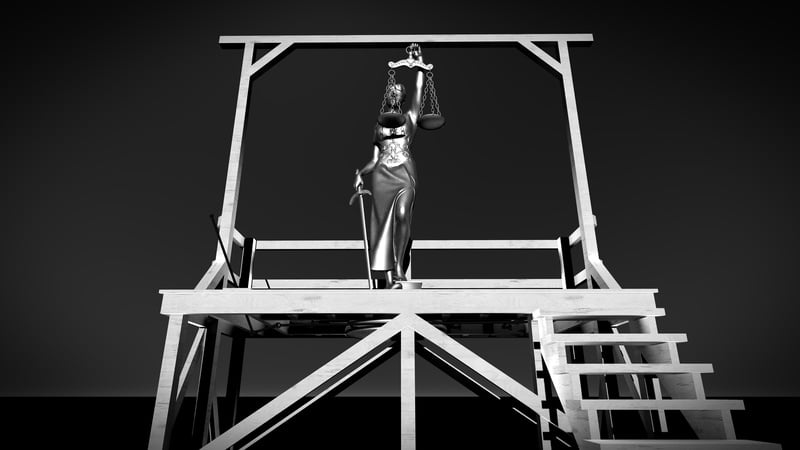
On 15 September 1826, seven convicts, George Brace, John McFarlane, James Edwards, Thomas Balfour, John Dadd, John Clark and Patrick Brown, were hanged together in Hobart, the second of three mass executions carried out that month under Chief Justice John Pedder.

Unlike the seven hanged just two days earlier for murder, not one of this group had killed anyone. Balfour, McFarlane and Edwards went to the gallows for absconding into the bush and robbing settler William Holdship; Brace was hanged for robbery, Dadd and Clark for burglary in Ross, and Brown for stealing sheep, a crime that under Britain’s Bloody Code carried the same legal weight as taking a human life.

The scale of the executions reflected both the severity of imported English law and Governor George Arthur’s determined push to impose discipline on the penal colony. Rather than hang prisoners as they were convicted, the Supreme Court held sentences over and carried them out in batches: seven men on 13 September, seven more on the 15th, and a further nine on the 18th, accounting for nearly half of the 53 executions recorded in Van Diemen’s Land that year.

1826 in the Hobart Colony

⬅ See all events from 15 September

Spread the word on your favourite platform!
True Crime Scene Tape
On This Day in True Crime History

Subscribe to Dark Stories

True crime stories, dark history and tour news, straight to your inbox.