On 15 September 1826, seven convicts, George Brace, John McFarlane, James Edwards, Thomas Balfour, John Dadd, John Clark and Patrick Brown, were hanged together in Hobart, the second of three mass executions carried out that month under Chief Justice John Pedder.

Unlike the seven hanged just two days earlier for murder, not one of this group had killed anyone. Balfour, McFarlane and Edwards went to the gallows for absconding into the bush and robbing settler William Holdship; Brace was hanged for robbery, Dadd and Clark for burglary in Ross, and Brown for stealing sheep, a crime that under Britain’s Bloody Code carried the same legal weight as taking a human life.

The scale of the executions reflected both the severity of imported English law and Governor George Arthur’s determined push to impose discipline on the penal colony. Rather than hang prisoners as they were convicted, the Supreme Court held sentences over and carried them out in batches: seven men on 13 September, seven more on the 15th, and a further nine on the 18th, accounting for nearly half of the 53 executions recorded in Van Diemen’s Land that year.

1826 in the Hobart Colony

⬅ See all events from 15 September

Spread the word on your favourite platform!

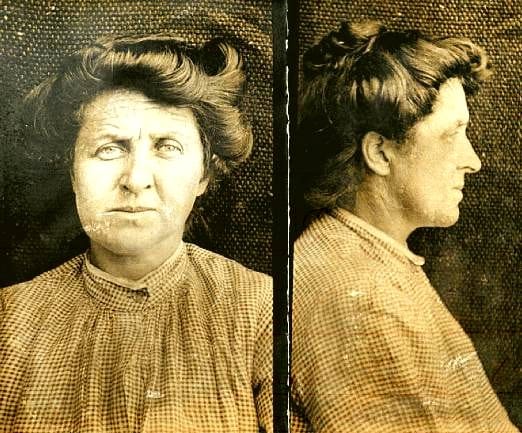
Martha Rendell, de facto wife of Thomas Nicholls Morris, was convicted in the Supreme Court of Western Australia at Perth of the wilful murder of her partner’s son, Arthur Joseph Morris, and sentenced to death by hanging. The court accepted that Thomas Morris had been unaware of what Rendell was doing until after the deaths of the children, and he was acquitted.

Acting Chief Justice Robert McMillan told the jury it was probably the most anxious case he had ever presided over, and voiced concern that newspaper coverage, might have prejudiced their judgement. Rendell maintained her innocence throughout, insisting she had only been treating the children for diphtheria.

Portrait of Martha Rendell

⬅ See all events from 14 September

Spread the word on your favourite platform!

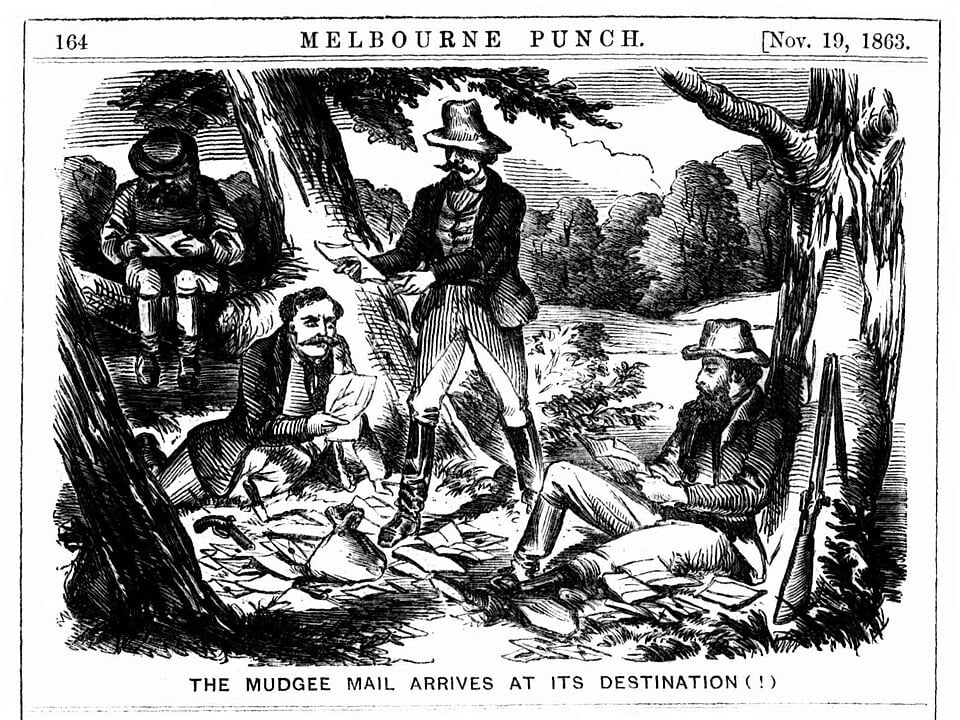
On 14 September 1862, two bushrangers robbed a mailman near Mudgee in New South Wales. They let him keep his sixpence and his pipe. His horse and the mail went with them.

But one robber gave himself away when his crepe mask slipped. The mailman caught a glimpse of his face and believed he could identify him as the infamous bushranger Fred Lowry.

The mail run offered little chance of real profit. Some suspected the hold-up was a decoy to draw police away from a bigger job. News of an armed horse robbery nearby fed the theory, though the report established no connection.

Less than a year later, Lowry died after being shot by police. He reportedly asked that his brother-in-law be told “Tell ’em I died game”.

Mudgee Mail Delivery

⬅ See all events from 14 September

Spread the word on your favourite platform!

Two men were convicted of killing Margaret Ann Impett at Mount Wedge station in South Australia. Rather than being executed at the remote spot where the crime occurred, they were hanged at the Chiriroo police station near Venus Bay on Saturday, 14 September 1861, in front of a large gathering, where both men admitted their guilt.

Authorities had decided against transporting the condemned men the 20 to 30 miles to the actual murder site, citing a lack of available conveyance, a decision that left the execution taking place far from where Margaret Impett had died.

Her husband later wrote a furious public letter demanding to know why the men had not been executed on the spot, as he understood a recently passed law required. He branded the failure to enforce it a farce, asking who had dared to disregard the law of the land.

Sunset over Venus Bay, South Australia

⬅ See all events from 14 September

Spread the word on your favourite platform!
On This Day in True Crime History

Subscribe to Dark Stories

True crime stories, dark history and tour news, straight to your inbox.