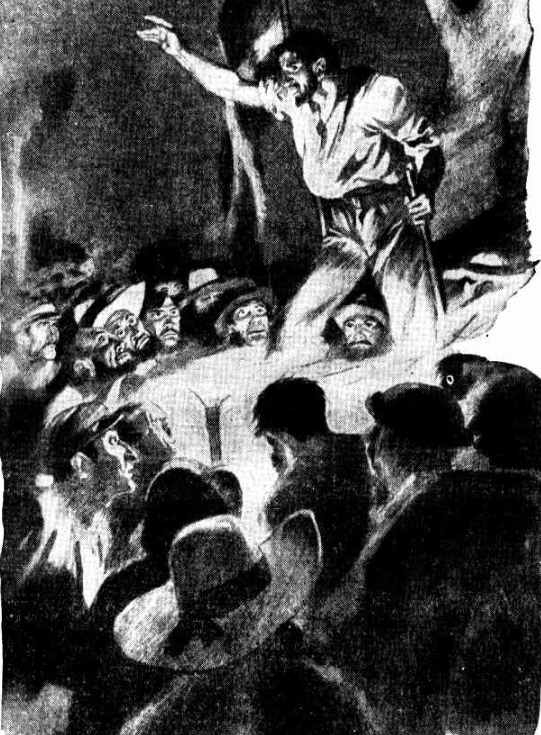
Two men were convicted of killing Margaret Ann Impett at Mount Wedge station in South Australia. Rather than being executed at the remote spot where the crime occurred, they were hanged at the Chiriroo police station near Venus Bay on Saturday, 14 September 1861, in front of a large gathering, where both men admitted their guilt.

Authorities had decided against transporting the condemned men the 20 to 30 miles to the actual murder site, citing a lack of available conveyance, a decision that left the execution taking place far from where Margaret Impett had died.

Her husband later wrote a furious public letter demanding to know why the men had not been executed on the spot, as he understood a recently passed law required. He branded the failure to enforce it a farce, asking who had dared to disregard the law of the land.


Sunset over Venus Bay, South Australia

⬅ See all events from 14 September

Spread the word on your favourite platform!

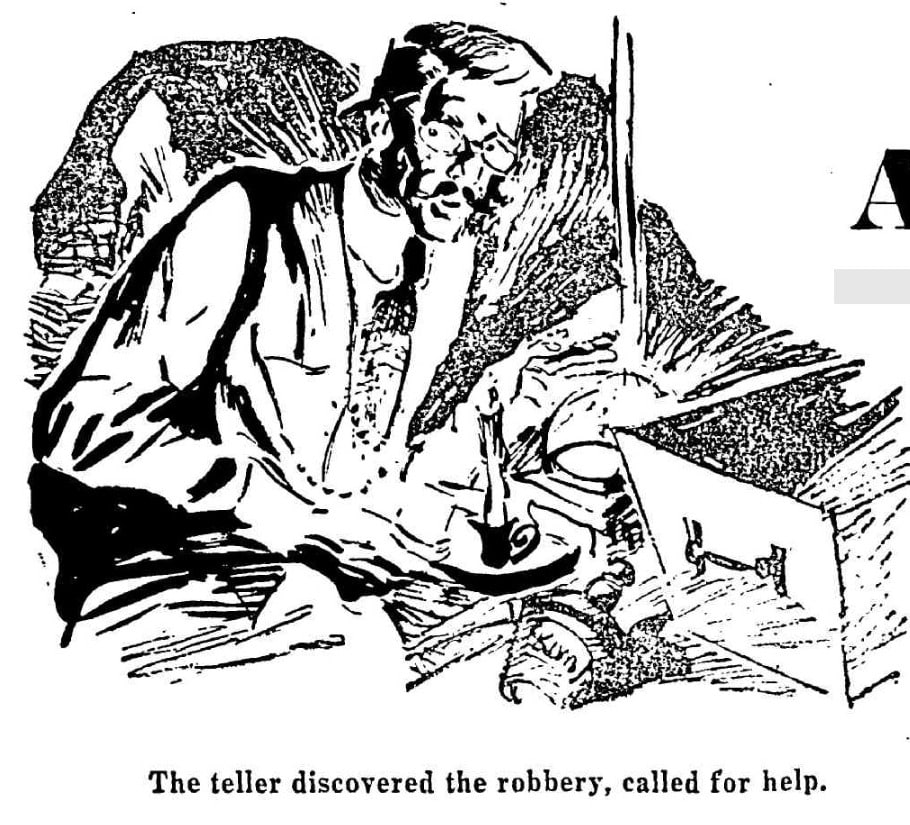
On the night of 14 September 1828, thieves broke into the Bank of Australia in Sydney. A teller arriving the next morning found the strongroom breached.

Thieves had tunnelled through a drain on the opposite side of the street, burrowed underground, and cut through a foundation wall between five and nine feet thick, work that would have taken at least three to four weeks to complete. They made off with 12,000 to 14,000 pounds in cash and property, a sum worth a small fortune today.

For two and a half years the robbers evaded capture, even as some of the stolen notes began surfacing in circulation and officials issued repeated warnings against using them. The case only broke when one of the gang was sentenced to 14 years on Norfolk Island for an unrelated highway robbery in 1829. Nearly a year into that sentence, he accepted the Governor’s offer of a pardon and confessed, naming his accomplices: one of whom had fled to Ireland, another who had since died, and three more who joined him on Norfolk Island.

Not all the stolen money was recovered. Rumour has long held that boxes of coins from the robbery remain buried near the water’s edge on Sydney’s North Shore.

Discovering the robbery.

⬅ See all events from 14 September

Spread the word on your favourite platform!

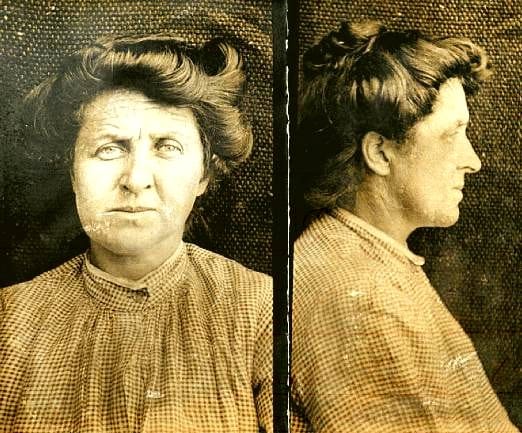
Martha Rendell, de facto wife of Thomas Nicholls Morris, was convicted in the Supreme Court of Western Australia at Perth of the wilful murder of her partner’s son, Arthur Joseph Morris, and sentenced to death by hanging. The court accepted that Thomas Morris had been unaware of what Rendell was doing until after the deaths of the children, and he was acquitted.

Acting Chief Justice Robert McMillan told the jury it was probably the most anxious case he had ever presided over, and voiced concern that newspaper coverage, might have prejudiced their judgement. Rendell maintained her innocence throughout, insisting she had only been treating the children for diphtheria.

Portrait of Martha Rendell

⬅ See all events from 14 September

Spread the word on your favourite platform!

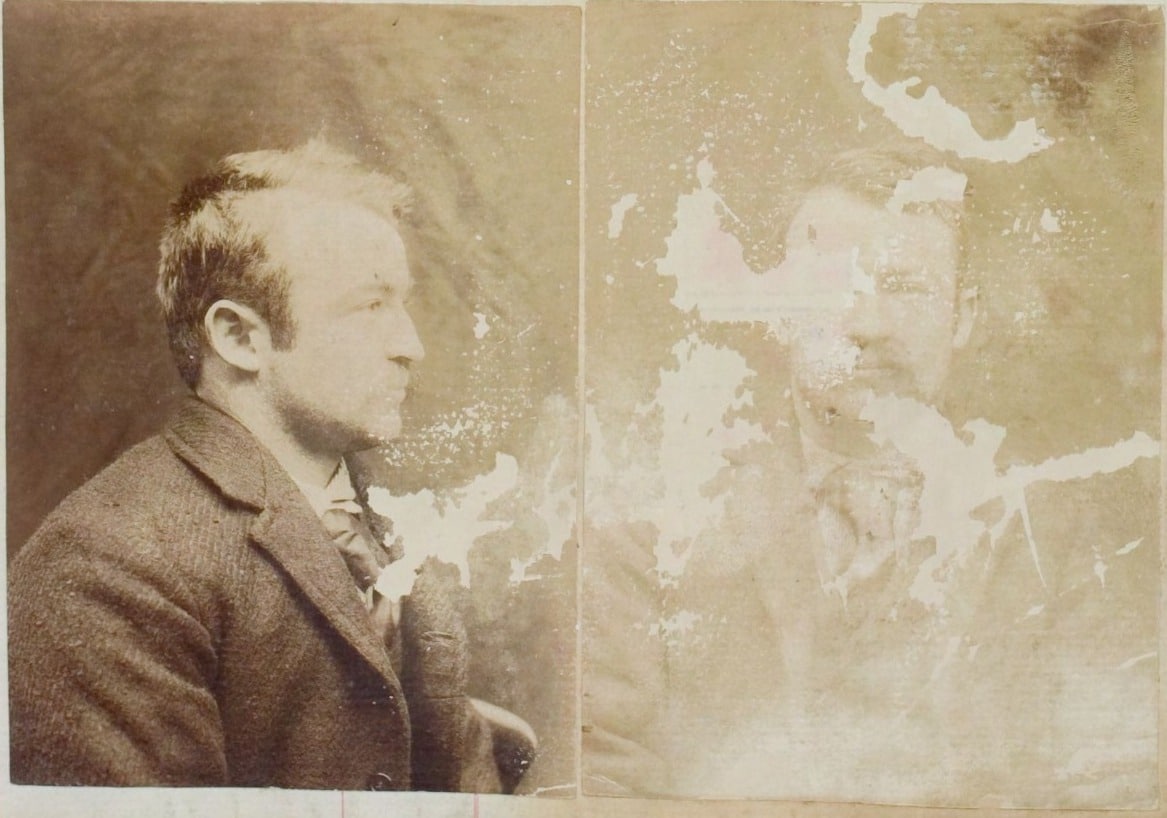
Charles John Hall murdered his wife Minnie at Eaglehawk, near Bendigo, on 11 February 1897. The crime shocked a district where Hall had been well known for very different reasons. A talented and athletic footballer nicknamed “John Bull,” he had been, according to one contemporary newspaper, “the idol of the hour” only a year earlier. He was convicted of Minnie’s murder and sentenced to death at Bendigo Gaol on 13 September 1897.

The night before, his parents were allowed a final visit, a scene warders later described as worse to witness than the hanging itself. His mother collapsed, shrieking through the gaol, “My poor boy, my Charlie,” before being carried to a cab and put to bed at home. Hall himself broke down during the visit. On the morning of his execution, he walked firmly to the scaffold and looked steadily at the hangman as the noose was fixed. Asked for his final words, Hall replied quietly, “I commit my soul to God.”

Outside the gaol a large crowd gathered, mostly women and children, with harsh feeling directed at Hall but deep sympathy for his grieving parents.

Charles John Hall, prisoner no. 27965, 1897. Public Record Office Victoria, VPRS 515/P0000, Central Register of Male Prisoners, Volume 51, p. 208. Out of copyright.

⬅ See all events from 13 September

Spread the word on your favourite platform!
On This Day in True Crime History

Subscribe to Dark Stories

True crime stories, dark history and tour news, straight to your inbox.