Edgar Allan Poe was discovered slumped outside a Baltimore tavern being used as a polling place, barely conscious and dressed in clothes that were not his own. He could not explain where he had been for the five days since he was last seen, and he never recovered enough to try; he died four days later at a city hospital, aged 40.

On this date, his doctor recorded his last words as “Lord help my poor soul”, after a night of Poe repeatedly calling out a name, Reynolds, that no one has ever identified. Newspapers blamed drink, but Poe’s death certificate and medical records have since vanished, and the true cause was never established.

One theory, raised decades later, points to cooping: a 19th century election scam in which gangs plied captives with liquor and forced them to vote repeatedly in disguise, which would explain both his stupor and his stolen clothes. No version of events has ever been confirmed.
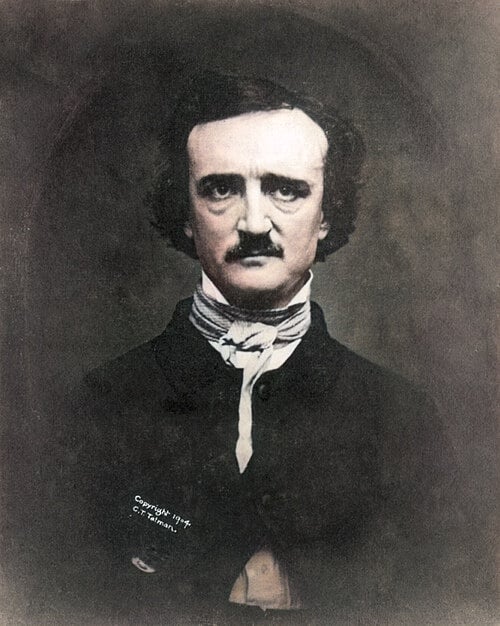

Photograph of Edgar Allan Poe - 1848
Photograph of Edgar Allan Poe – 1848

⬅ See all events from 7 October

Spread the word on your favourite platform!

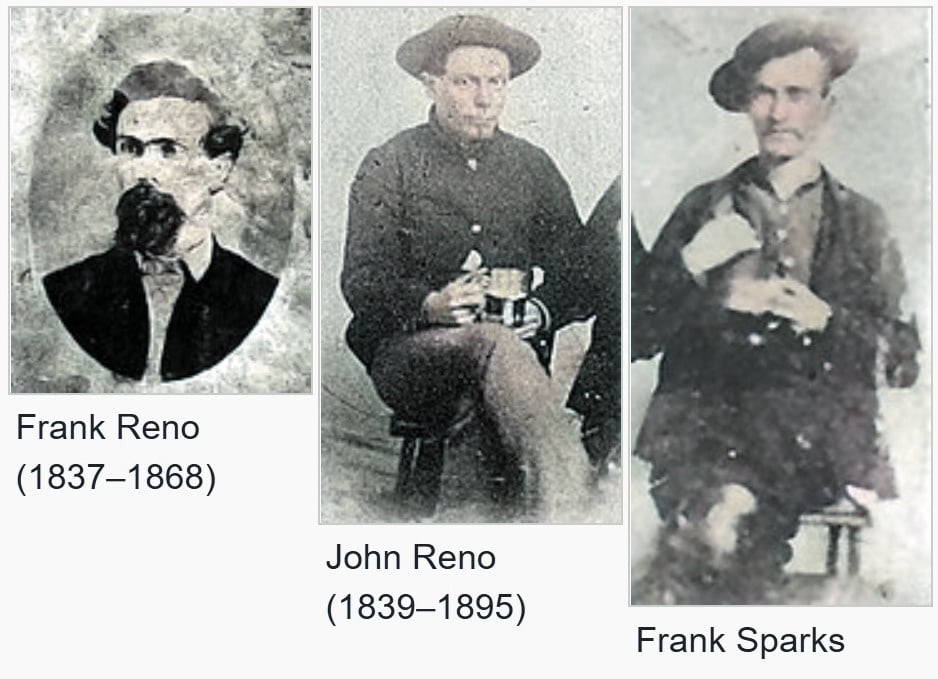
On the night of October 6, 1866, three members of the Reno Gang boarded an Ohio and Mississippi Railway train as it pulled out of Seymour, Indiana, overpowered the express guard and cracked open a safe holding roughly 16,000 dollars. They then shoved a second, heavier safe off the moving train for the rest of the gang to finish the job, but could not break it open before a posse closed in and they fled. It was, as far as anyone could tell, the first train robbery in American history.

The job, pulled off by brothers Frank, John, Simeon and William Reno, became the blueprint for a wave of copycat train robberies across the Midwest. Within two years the brothers paid for it dearly: dragged from jail cells by masked vigilantes and hanged, most of the gang’s stolen fortune never recovered.

Portrait of the Reno Brothers members of the Reno Gang train robbers

⬅ See all events from 6 October

Spread the word on your favourite platform!

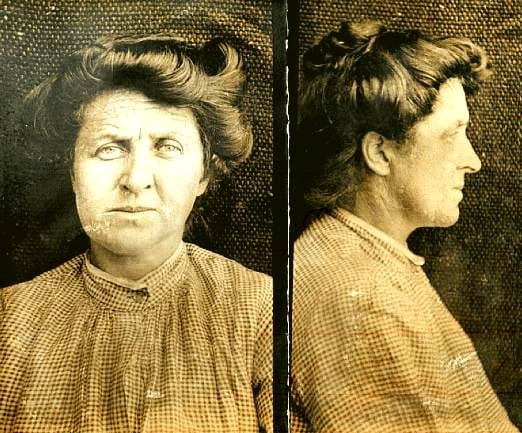
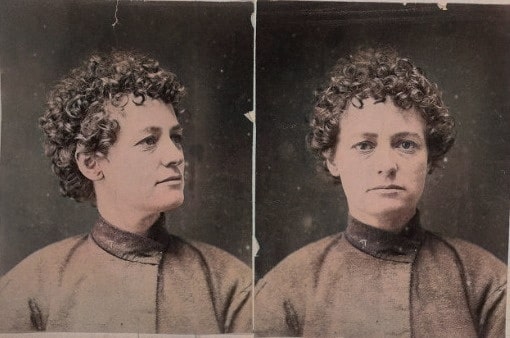
In Perth, Martha Rendell told neighbours her stepchildren suffered from chronic sore throats that she treated herself at home. In truth she was swabbing their throats with hydrochloric acid, a slow and agonising poisoning disguised as nursing. Her stepson Arthur Morris, 14, died of it on 8 October 1908; two of his siblings had already died the same way, but only Arthur’s death went to trial.

Convicted of his murder, Rendell was hanged at Fremantle Prison on 6 October 1909, the only woman ever executed in Western Australia.

She denied killing the children to the end, insisting she had only ever tried to cure them.

Martha Rendell
Martha Rendell

⬅ See all events from 6 October

Spread the word on your favourite platform!

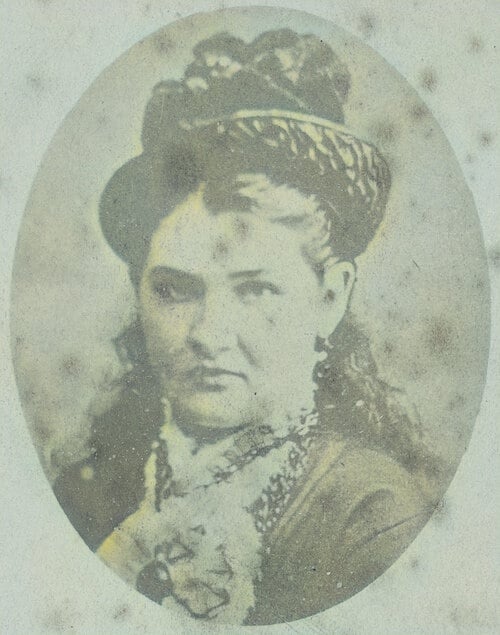
In 1878, Constable Fitzpatrick arrived alone and drunk at the Kelly family homestead and assaulted fourteen-year-old Kate Kelly, the spark that turned her brothers Ned and Dan into outlaws. With her mother jailed as an accomplice, teenage Kate raised her younger siblings, campaigned for Ned’s clemency, and later toured with relics of the gang after his hanging at Melbourne Gaol in 1880.

Eighteen years on, now married and living near Forbes in New South Wales, Kate vanished from her home. She was found drowned in a nearby waterhole, aged 35. Her death was officially ruled an accident, but questions about what drove her there have never fully gone away.

Portrait of Kate Kelly sister of Ned Kelly

⬅ See all events from 6 October

Spread the word on your favourite platform!
On This Day in True Crime History
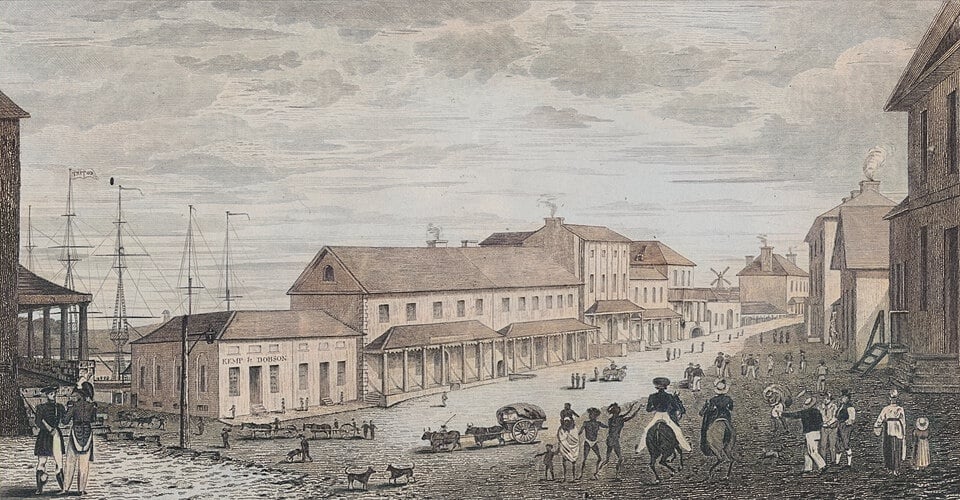
1829·Beaten Unconscious Within Sight of the Gaol Wall: Hanged in Sydney for a Brutal Robbery
1894·Caught Serving Poisoned Tea: Martha Needle Hanged in Melbourne for a Family Poisoning Spree
More Crime On This Day →

Subscribe to Dark Stories

True crime stories, dark history and tour news, straight to your inbox.