Ernest Austin was the last person ever executed in Queensland. The 23-year-old farm labourer was hanged in Brisbane in September 1913 for a murder committed at Samford three months earlier.    Reporters noted that the brilliance of the spring morning made it hard to grasp what was happening a few yards away. A chaplain led the procession to the scaffold, reciting the burial service. The condemned man looked in remarkably good health; his appetite had stayed “voracious to the very last”, and he had gained 28 pounds in gaol.    Asked if he had anything to say, he spoke in low, clear tones, waving his right hand for emphasis: “I say straight out that I quite deserve this punishment.” As the white cap was drawn over his face he added: “Send a wire to my mother.”
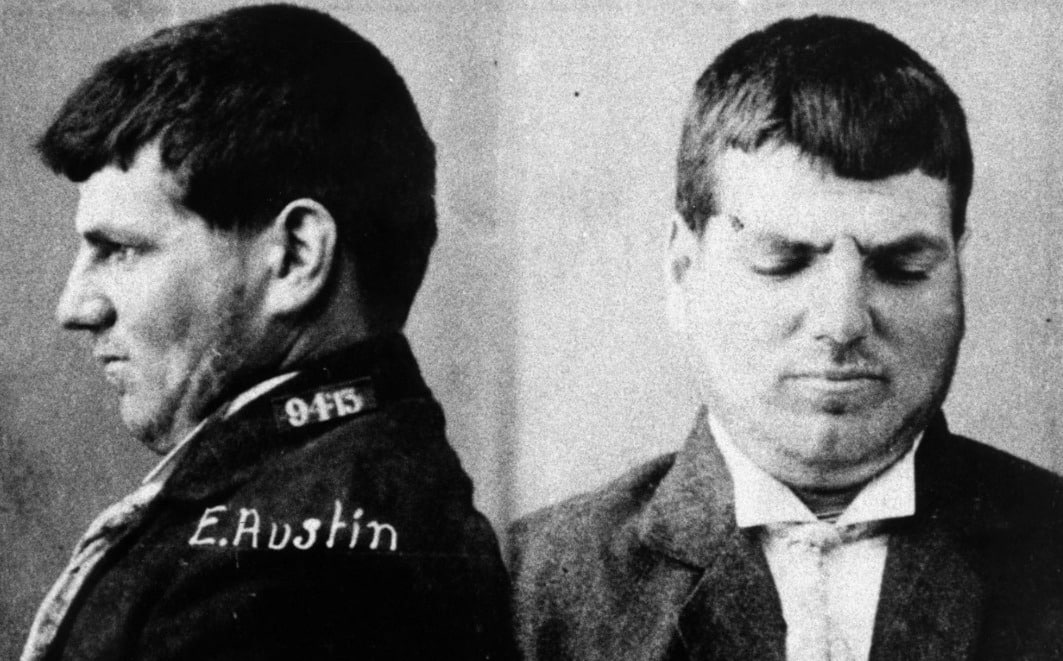

Prison identification photo of Ernest Austin last man hanged in Queensland

⬅ See all events from 22 September

Spread the word on your favourite platform!

Angelo Buono Jr., one half of the killing partnership known as the Hillside Stranglers, died of a heart attack at age 67 while serving a life sentence without parole at Calipatria State Prison in California. He had been convicted of nine murders committed with his cousin Kenneth Bianchi in Los Angeles between 1977 and 1978, victims who were kidnapped, tortured and strangled before their bodies were dumped on hillsides around the city.

Buono ran an upholstery shop that served as a base for the pair, luring young women into his van before the killings. Bianchi, who was arrested first in Washington State, struck a deal and testified against Buono in exchange for avoiding the death penalty, a betrayal that helped seal his cousin’s conviction after one of the longest and most expensive criminal trials in California history.

Buono spent the rest of his life in prison showing no remorse for the killings, dying quietly behind bars rather than facing execution.

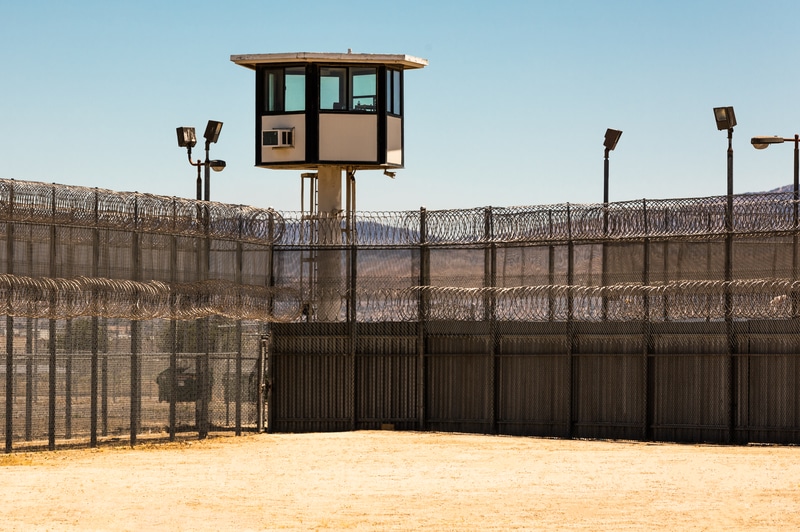
Empty desert prison yard with guard tower in background

⬅ See all events from 21 September

Spread the word on your favourite platform!

Francis Thomas Green was hanged at Darlinghurst Gaol on 21 September 1852 for the murder of John Jones at Buckley’s Creek on 10 March that year, shot dead with a pistol. The execution holds a grim distinction: it was the last public hanging carried out in New South Wales.

The morning of the execution broke dark and drizzling, yet the crowd was of the usual size, with women reportedly outnumbering men by nearly three to one. A carriage carrying women described by the press as being of “respectable exterior” was drawn up directly in front of the gallows, its occupants showing what one newspaper called a “disgusting eagerness” to secure the best view, while mothers nursed infants and children ran boisterously among the onlookers.

Green’s wife visited him for a final farewell the day before his death, the only moment he was seen to show real emotion. He spent his last night in prayer with a Roman Catholic priest, having initially refused all ministers before requesting Catholic clergy in his final days.

Green made a partial admission to a gaol official before his death, saying that Jones had fallen by his hand “in the heat of a sudden quarrel”.

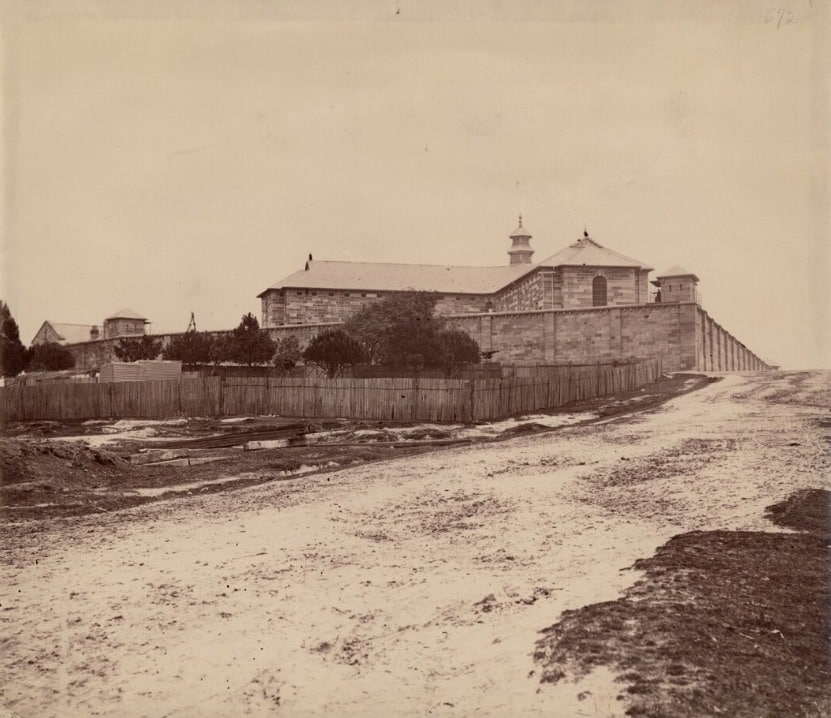
Darlinghurst Gaol northeast corner view from Burton Street 1870

⬅ See all events from 21 September

Spread the word on your favourite platform!

Jack the Ripper was a woman. That was the possibility London newspapers began to report: that the killer who had horrified the world for months was a woman disguised as a man, living and working unnoticed in Whitechapel. By the time the story spread, she had reportedly vanished. Police were confidently believed to be “at last on the track” of the murderer, and there was suddenly talk of “his or her crimes”.

Who, it was asked, could walk the streets at night without suspicion, possess the anatomical knowledge the mutilations suggested, and risk being found beside a body? One answer: a woman who was, or had been, a midwife. Discovered bending over a victim, she need only say she had been passing by and thought the woman required her medical attention. Though largely discounted, the Jill the Ripper theory has never completely gone away.

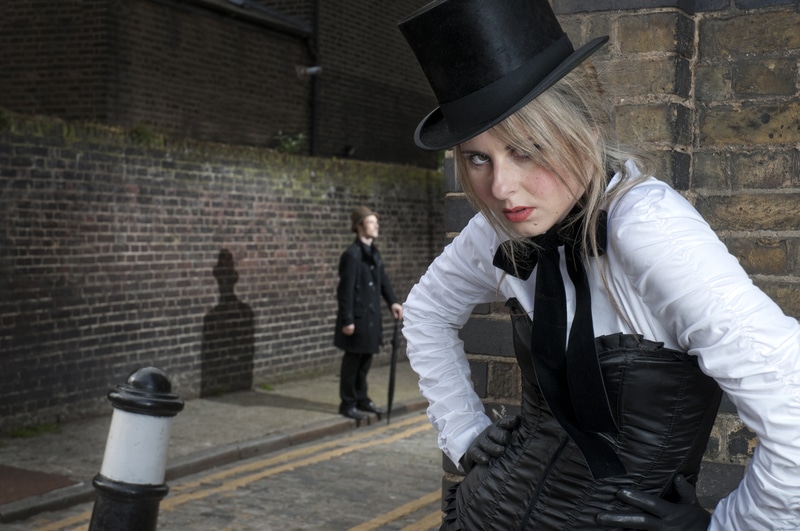
Victorian woman in London street with man in background

⬅ See all events from 21 September

Spread the word on your favourite platform!
On This Day in True Crime History
1867·Hanged at Perth Gaol, His Final Words a Shout for the Irish Republic
1908·The Slowest Death: a Perth Stepmother's Acid Poisoning Spree Claims a Third Child
1923·Squizzy Taylor Walked Free While a Man Who Never Fired a Shot Hanged for a Melbourne Bank Murder
More Crime On This Day →

Subscribe to Dark Stories

True crime stories, dark history and tour news, straight to your inbox.