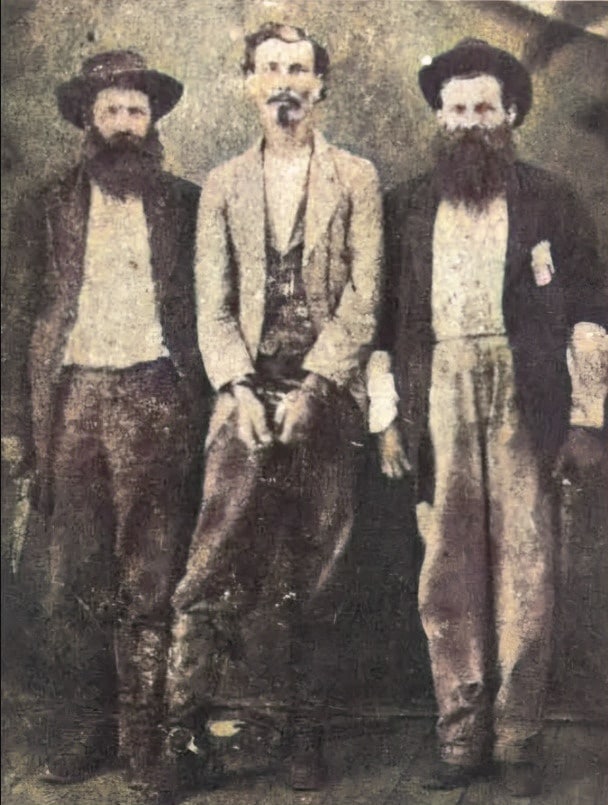
Harry Power was already a seasoned escaper and highway robber when, in 1869, he took on a teenage recruit: Ned Kelly, son of a sympathetic Irish family who sheltered him in the Ovens district. For a few months the pair stuck up coaches and squatters together, Power later boasting of hundreds of robberies, until Kelly broke away and Power carried on alone, eventually suspecting his young protege of helping police track him down.

Captured in 1870 after being betrayed by a relative of the Kelly family, Power served another fifteen years at Pentridge before his release in 1885. He spent his last years as a guide aboard the old prison hulk Success, now a museum ship, before drowning in the Murray River near Swan Hill in October 1891, his body found days later at Tyntynder. One newspaper suggested suicide, but the drowning of a man who had survived two prison escapes and a life of robbery without ever killing anyone was most likely a simple accident.
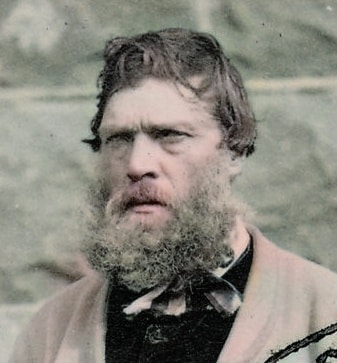

Bushranger Harry Power 1870s

⬅ See all events from 11 October

Spread the word on your favourite platform!

Texas outlaw William Preston Longley, known as Wild Bill, claimed he had once survived a lynching when a gunshot damaged the rope around his neck. The story remains unverified, but his actual execution would have a mishap of its own.    On this date, Longley was hanged at Giddings for murdering Wilson Anderson. The rope was too long, allowing his feet to reach the ground beneath the scaffold. Officials had to haul him upwards to complete the execution, adding another strange chapter to a life already tangled in violence and legend.

Wild Bill arrested.
Wild Bill arrested.

⬅ See all events from 11 October

Spread the word on your favourite platform!

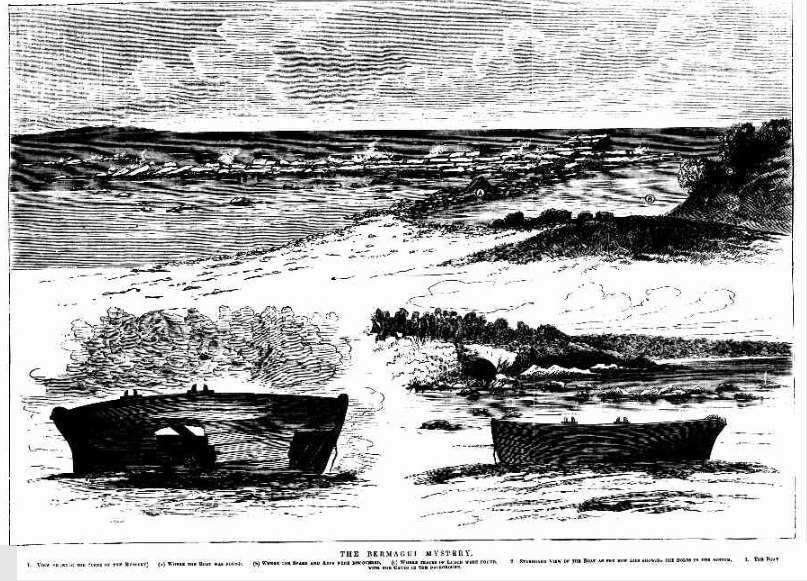
Geological surveyor Lamont Young, his assistant and three boatmen set out from Bermagui, New South Wales by night and would be last seen on this date, searching the coast for gold. Their boat would be found drifting empty near what would become known as Mystery Bay, its sail and anchor gone, loaded with heavy rocks, and a bullet hole through the hull.

What unsettled investigators most was not what was missing but what remained. A pair of spectacles sat neatly folded on a seat, none of the cargo was wet, and the holes in the planking had been punched outward from inside the boat, not in. No bodies, no weapon, and no sign of struggle were ever found, despite rewards, government inquiries and headlines across the British Empire. The five men were never seen again, and the mystery remains unsolved to this day.

Scene of the Bermagui Mystery

⬅ See all events from 10 October

Spread the word on your favourite platform!

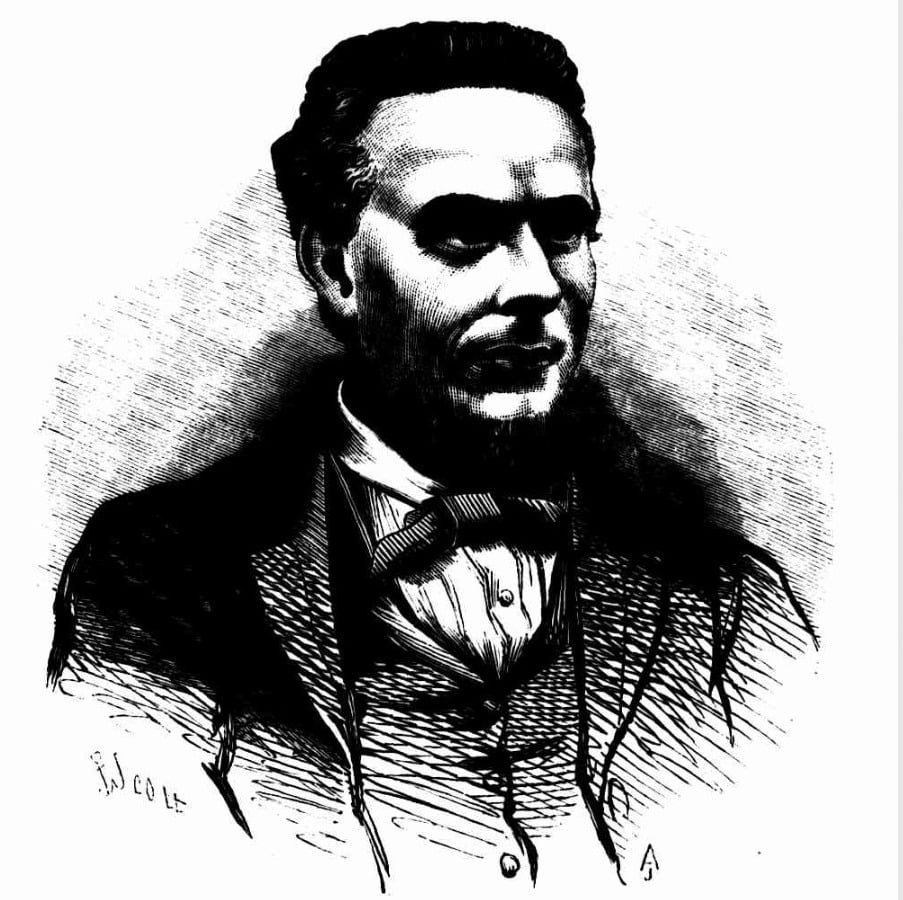
William Henry Scott, a butcher working in Sydney, was arrested on 10 October 1866 after police traced a bloodstained axe and a scrap of twilled calico he had left in storage with his former landlady, Mrs Janet Orr. The cloth matched a fragment found wrapped around the charred, headless remains of a woman dug up weeks earlier on waste ground off Sussex Street.

The breakthrough led detectives to Scott’s former workmates, who recalled his offhand confession in the days after the killing: that he had “done away with the Kangaroo”, their nickname for the woman who used to wait outside the shop for him each evening. Tried and convicted despite his furious denials, Scott was hanged at Darlinghurst Gaol in March 1867.

On the scaffold he still insisted, “I’ve never murdered man, woman or child in my life”, before forgiving the witnesses he blamed for his conviction.

William Henry Scott under sentence of death 1867

⬅ See all events from 10 October

Spread the word on your favourite platform!
On This Day in True Crime History

Subscribe to Dark Stories

True crime stories, dark history and tour news, straight to your inbox.