John Hughes told the jurors who convicted him that they were “shopkeepers tired of waiting, and anxious to get home for their dinner”. They had taken ten minutes. Days later he was hanged behind Melbourne Gaol for the murder of Abraham Marcus, a traveller whose only mistake was chasing the men who stole his best horse.

In December 1852 Marcus was bound for the Ovens goldfields with his wife and nine-year-old son when their dray broke down at Yackandandah Creek. Four horsemen stopped, accepted a meal and even helped with the repairs. Hughes turned down four pounds for his tired horse and saddle, remarking that he would not go much further before he had another. When the riders had gone, so had the best of the Marcus horses, with the worn-out mount left in its place.

Marcus rode after them and seized the bridle. The gang kept him talking until a passing bullock dray was out of sight, then drew pistols, marched him into the bush and tied him to a tree, where he was later found dead. His whole party recognised the rope: it had hung around the neck of the horse Hughes rode. That same evening, by his own later account, the gang robbed a young Sydney man named Stone on his way home from the diggings; he broke free, was run down and killed, and his body was sunk in a creek, weighted with stones and a saddle.

A reward of 200 pounds was offered, but it was 1854 before the widow picked Hughes out of a line of 21 identically dressed prisoners in the yard of Darlinghurst Gaol. He made a long confession naming three accomplices, then asked to be sent to Melbourne quickly, since enough had been proved to hang him. At trial he called the jurors “new chums”, to laughter from the gallery. The judge replied that an innocent man would never have dared to browbeat a jury so, and that the clear evidence of the dead man’s young son had settled the matter.

From the dock Hughes withdrew his confession as false and swore the men he had named were innocent too: “I now say, and will on the day of my death, that I am an innocent man.” He went to the scaffold pale but composed, and made no further revelations.
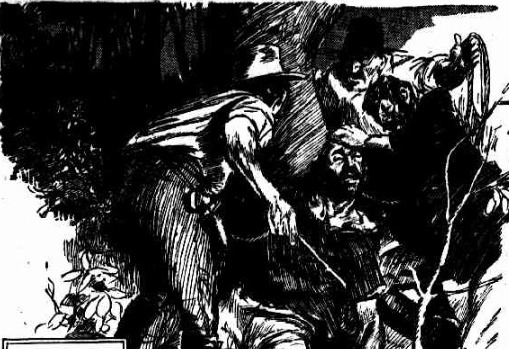

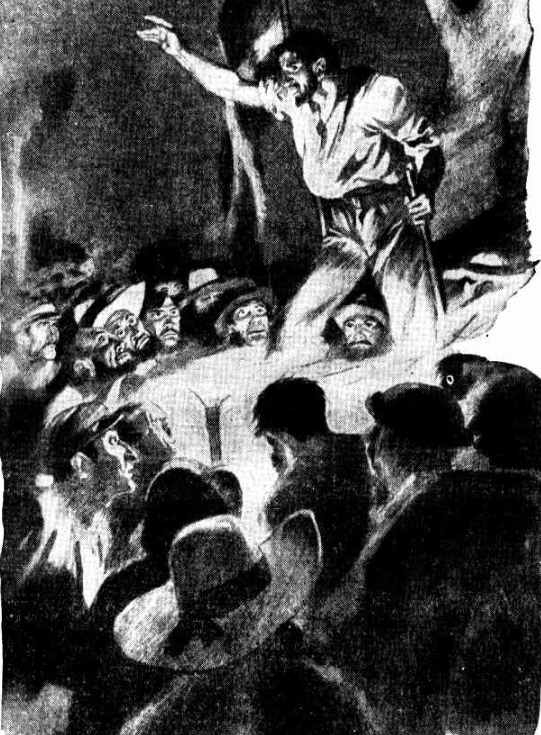
Killer hung by his own rope.

⬅ See all events from 25 September

Spread the word on your favourite platform!

Fletcher Christian was born on 25 September 1764 in Cumberland, England, decades before he would become one of history’s most infamous mutineers. In April 1789, as master’s mate aboard HMS Bounty, he led a revolt against Captain William Bligh, seizing the ship in the South Pacific after months of tension during the vessel’s breadfruit-collecting voyage.

Rather than kill Bligh, Christian set him adrift in a small open boat with eighteen loyal crew members and minimal supplies. Bligh went on to complete an extraordinary 3,618-mile voyage to safety in Timor, a feat of navigation still studied today.

Christian and his fellow mutineers eventually settled on remote Pitcairn Island with a group of Tahitian men and women, burning the Bounty to avoid detection. The fate of the settlement descended into violence within years, and the exact circumstances of Christian’s own death remain disputed, with some accounts claiming he was killed by fellow settlers and others suggesting he secretly returned to England.

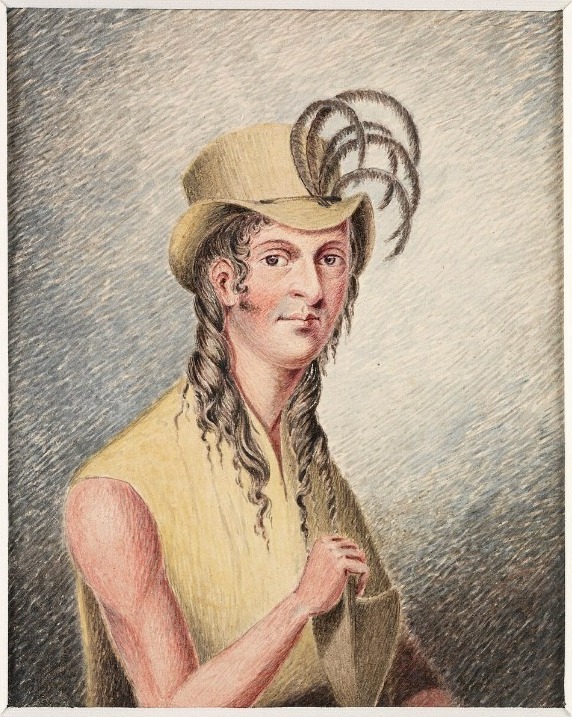
Portrait of Friday Fletcher October Christian son of Bounty mutineer Christian Fletcher 1814 by John Shillibeer

⬅ See all events from 25 September

Spread the word on your favourite platform!

The Want Ad Killer,Harvey Carignan, was arrested in Minnesota on 24 September 1974, at the end of a ten-day rampage. A woman he had left for dead in a field survived and raised the alarm, two others escaped when he stopped for petrol, and an 18-year-old was found dead in a cornfield just four days before police caught up with him.

He should have been hanged in 1949. A soldier stationed in Alaska, he was sentenced to death for murdering a woman, but the conviction collapsed because an officer had promised he would not be executed if he confessed. With the confession thrown out, the murder charge was dismissed. He served time for a separate assault instead, part of it in Alcatraz, and was paroled in 1960.

By the early 1970s he was the prime suspect in two killings in Washington state, one of them a teenager who had answered his “help wanted” ad for a job at his service station. He was never charged, and moved on to Minnesota. After his arrest, his plea that God had ordered him to kill failed; he was convicted of two murders and died in prison in 2023, aged 95.

Help wanted classified ad printed in a newspaper

⬅ See all events from 24 September

Spread the word on your favourite platform!

After 24 years, the case that haunted Perth came down to a single judge and a 619-page verdict. Bradley Edwards, a 51-year-old former Telstra technician, was found guilty of two of the three Claremont murders and not guilty of the third.

All three women vanished after nights out in Claremont, then one of the busiest nightspots in the city. Sarah Spiers, 18, called a taxi from a phone booth at 2.06 am in January 1996; when it arrived three minutes later, she was gone. Her remains have never been found, and although Edwards was acquitted of her murder, the judge found it more likely than not that he was involved in her disappearance. Jane Rimmer, a 23-year-old childcare worker, was last seen on security footage that June and was found 55 days later in bushland by a family picking wildflowers. Ciara Glennon, a 27-year-old lawyer, disappeared in March 1997 and was found 19 days later in scrub north of the city.

The hunt became the biggest, longest and most expensive investigation in Western Australian history. Thousands of taxi drivers were fingerprinted and DNA tested, 110 “persons of interest” were sent a questionnaire asking “Are you the killer?”, and a public servant was pursued as the prime suspect for a decade before being cleared.

Edwards had no known link to the case until his arrest in December 2016. DNA found under the fingernails of his final victim matched a kimono dropped by an intruder fleeing a suburban house in 1988, and fibres on both bodies matched the Telstra-issue station wagon he drove at the time. Tried without a jury over seven months and more than 200 witnesses, he was sentenced to life with a 40-year minimum, the judge noting a “high likelihood” that he would die in prison.

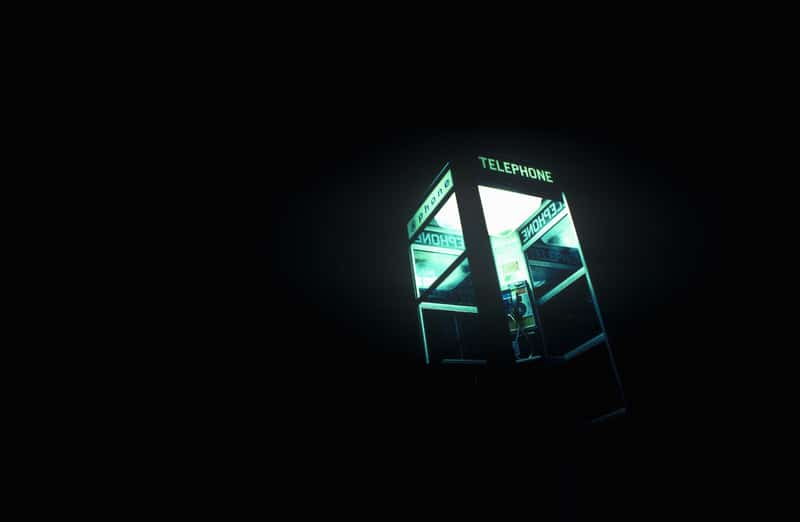
Telephone booth at night with interior lights

⬅ See all events from 24 September

Spread the word on your favourite platform!
On This Day in True Crime History

Subscribe to Dark Stories

True crime stories, dark history and tour news, straight to your inbox.