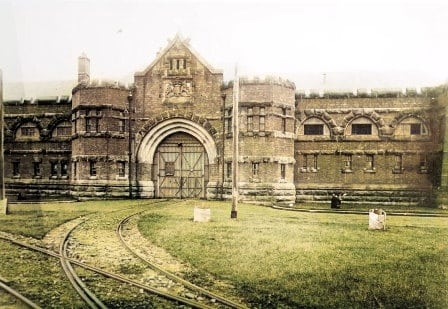
Neighbours near Lydney Park on the Hunter River heard Mary Walsh begging “to spare her life” as the blows fell, then heard her husband Christopher Walsh order her to leave the house. She said she could not. By morning she lay dead on the floor, covered in bruises, a gun and blood-stained trousers found nearby.

At his trial, his own counsel argued that jealousy and drink should reduce the killing to manslaughter. The jury was not persuaded, convicting him of wilful murder after less than two hours. He was hanged at Maitland gaol before a crowd of some four hundred, including women and children.

On the scaffold he had a message read out: he claimed he had come home sober, only for suspicion of his wife’s infidelity to work him into a rage that drink then inflamed. He said he now believed her faithful, regretted his violence, and held no animosity.
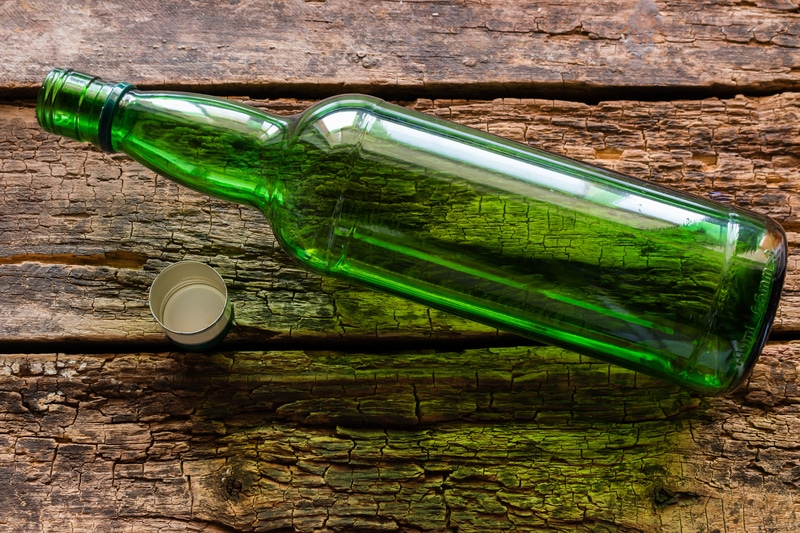

Empty bottle on wooden background symbolizing alcoholism

⬅ See all events from 28 September

Spread the word on your favourite platform!

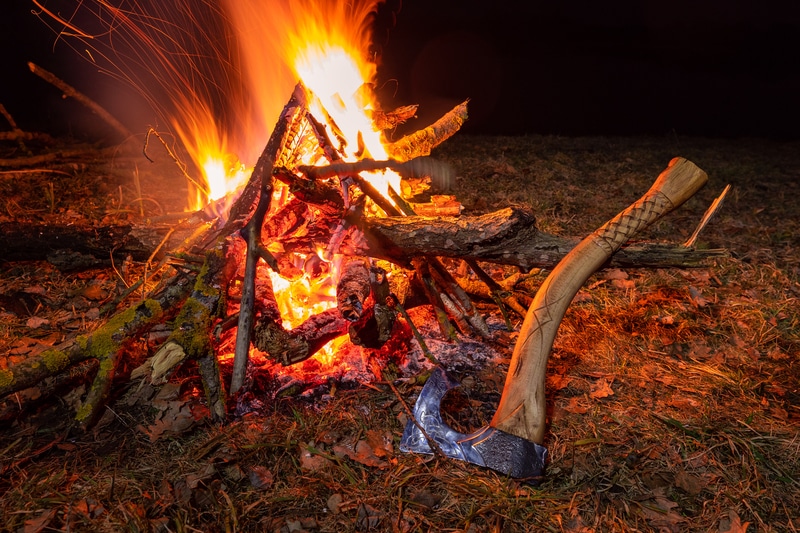
John Hazeldine went by the name Kangaroo Jack, and he liked to remind men what his evidence could do: he claimed it had hanged one man in England and transported two others. So when he and a young absconded convict named Parker were caught butchering a stolen bullock in the bush near Bathurst in 1828, Parker knew exactly what Hazeldine intended to do next. That evening, as Hazeldine knelt blowing a campfire alight, Parker struck him with a tomahawk.

The case against him rested almost entirely on a confession he was said to have made to two fellow convicts, men a settler who watched the trial branded liars who “contradicted each other in all other things” and may have been the real killers. It was enough. Parker, about 19, was hanged behind the gaol at Sydney on 28 September 1829, still hoping until the last for a reprieve.

He denied the murder almost to the moment the rope was placed around his neck, then confessed his guilt as the drop was prepared.

Campfire with hand-forged axe at night.

⬅ See all events from 28 September

Spread the word on your favourite platform!

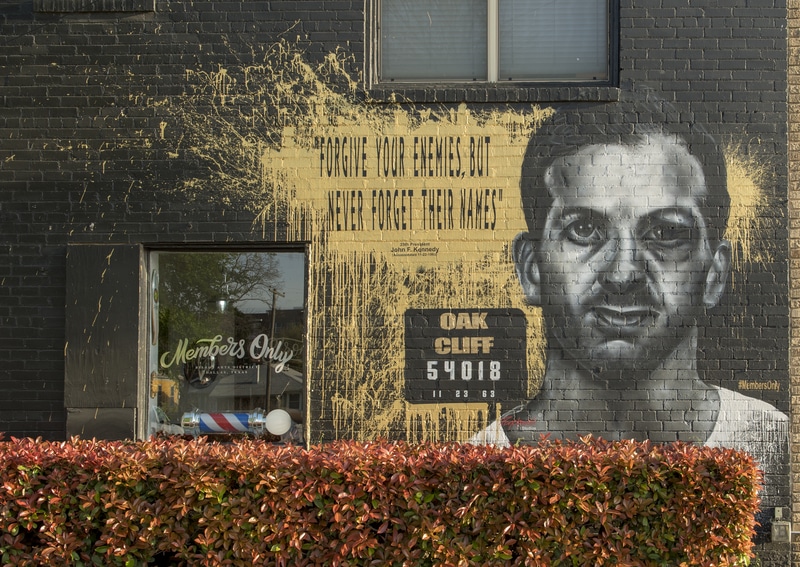
On September 27, 1964, the Warren Commission delivered its report on the assassination of President John F. Kennedy, concluding after a ten month inquiry that Lee Harvey Oswald acted alone in firing the shots that killed the president in Dallas on November 22, 1963.

The commission, chaired by Chief Justice Earl Warren and formed by executive order of President Lyndon Johnson, found no evidence of a conspiracy, foreign or domestic, and determined that Jack Ruby likewise acted alone when he shot Oswald dead two days after the assassination while Oswald was in police custody.

The report’s single bullet theory, used to explain the wounds suffered by both Kennedy and Texas Governor John Connally from one shot, became the most disputed element of the findings and fueled decades of public skepticism and rival conspiracy theories that persist to this day.

Lee Harvey Oswald Mural, Bishop Arts District, Dallas, Texas. Pictured is a mural on the side of the Members Only barber shop in the Bishop Arts District, Dallas, Texas. It features Lee Harvey Oswald, the man who assassinated president John F. Kennedy on November 22, 1963. He was arrested a short time later in the Texas Movie Theatre in Oak Cliff. It was painted by renowned Dallas muralist, Theo Ponchaveli. The Bishop Arts District is a small shopping and entertainment district in north Oak Cliff, immediately southwest of Downtown Dallas. It was originally developed as warehouses and shops in the 1920s. | ID 112938931 © David Pillow | Dreamstime.com
ID 112938931 © David Pillow | Dreamstime.com

⬅ See all events from 27 September

Spread the word on your favourite platform!

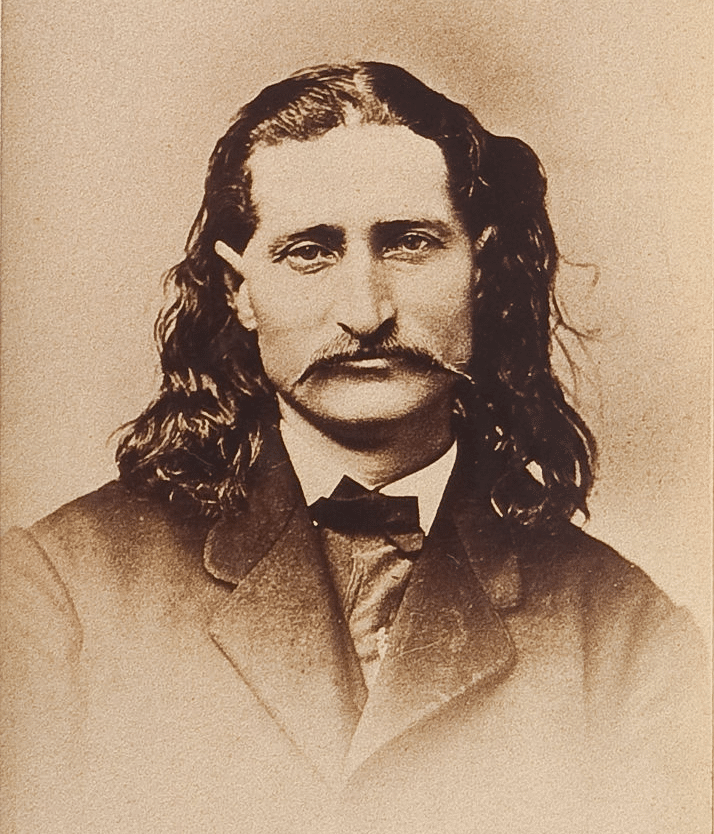
At about one o’clock on the morning of 27 September 1869, Sheriff “Wild Bill” Hickok and his deputy responded to a disturbance at John Bitter’s Beer Saloon in Hays City, Kansas. A cowboy named Samuel Strawhun and several drunken companions were reportedly damaging the saloon. During the confrontation, Strawhun made remarks against Hickok, who shot him through the head, killing him.

Hickok maintained that he had been trying to restore order. Despite conflicting witness accounts, a jury at the coroner’s inquest ruled the shooting justifiable. Strawhun was the second man Hickok had killed during his first month as sheriff.

Sepia portrait of Wild Bill Hickok

⬅ See all events from 27 September

Spread the word on your favourite platform!
On This Day in True Crime History
1891·The Mace, the Madam, and a Melbourne Scandal That Never Died
1959·Through a Chapel Ventilator: the Sydney Jailbreak That Triggered Australia's Biggest Manhunt
More Crime On This Day →

Subscribe to Dark Stories

True crime stories, dark history and tour news, straight to your inbox.