1985: France Finally Admits State-Sponsored Terrorism: the Bombing of the Rainbow Warrior in Auckland

On 10 July 1985, agents of the French secret service DGSE attached two bombs to the hull of the Greenpeace flagship Rainbow Warrior as it lay moored in Auckland Harbour, sinking the vessel and killing Portuguese photographer Fernando Pereira, who drowned trying to retrieve his camera equipment. The ship had been preparing to lead a protest flotilla against French nuclear testing in the Pacific.

Two French agents, Alain Mafart and Dominique Prieur, were arrested in New Zealand travelling under false Swiss identities and later pleaded guilty to manslaughter, drawing widespread attention to the operation’s codename, Operation Satanique.

For weeks the French government denied any involvement, until on 22 September 1985 Prime Minister Laurent Fabius publicly admitted that French secret service agents had sunk the ship acting on orders, an extraordinary confession of state-directed sabotage carried out against an allied nation.
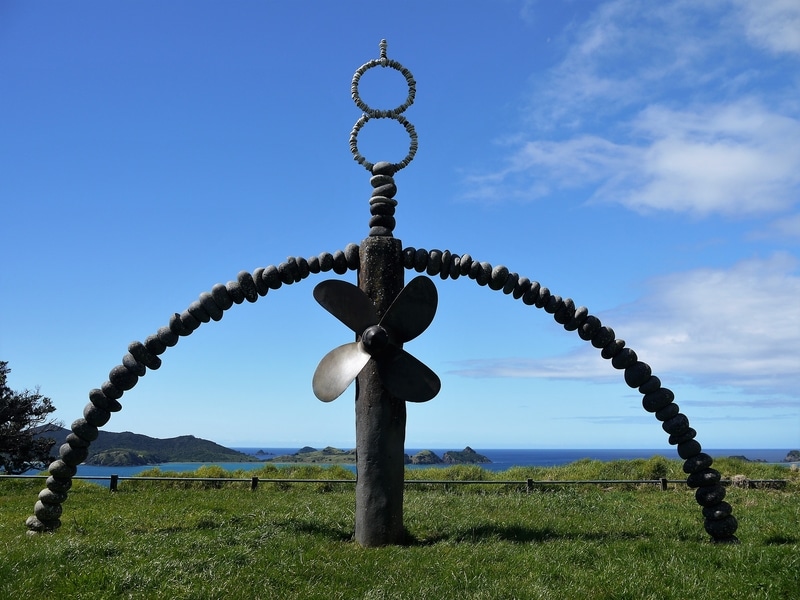

New Zealand: Matauri Bay Rainbow Warrior memorial. Matauri Bay, Northland, memorial to Rainbow Warrior sculpted by Chris Booth | ID 101374786 © Jill Shepherd | Dreamstime.com
ID 101374786 © Jill Shepherd | Dreamstime.com

⬅ See all events from 22 September

Spread the word on your favourite platform!
True Crime Scene Tape

1776: But One Life to Give: Nathan Hale Hanged as a Spy in New York City

Captain Nathan Hale, a young American officer serving under George Washington, was captured behind British lines on Long Island while gathering intelligence on troop movements ahead of the British occupation of New York City. Found with incriminating documents hidden in his boots, he was condemned without a formal trial and hanged by the British the following morning, on the orders of General William Howe.

Hale was reportedly denied the services of a clergyman and even a Bible in his final hours. He was hanged from a tree or ladder, with no gallows or drop, meaning death likely came slowly by strangulation rather than a broken neck.

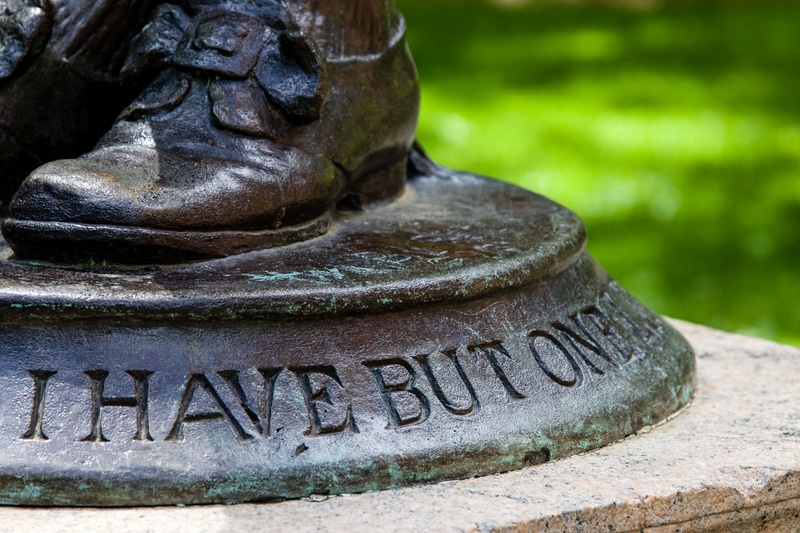
His last words are reputed to have been, “I only regret that I have but one life to give for my country,” a line said to echo a sentiment from a play he had read, and one that transformed him into an enduring symbol of American revolutionary sacrifice despite his execution as a spy.

Nathan Hale statue detail with partial quote I have but one

⬅ See all events from 22 September

Spread the word on your favourite platform!
True Crime Scene Tape

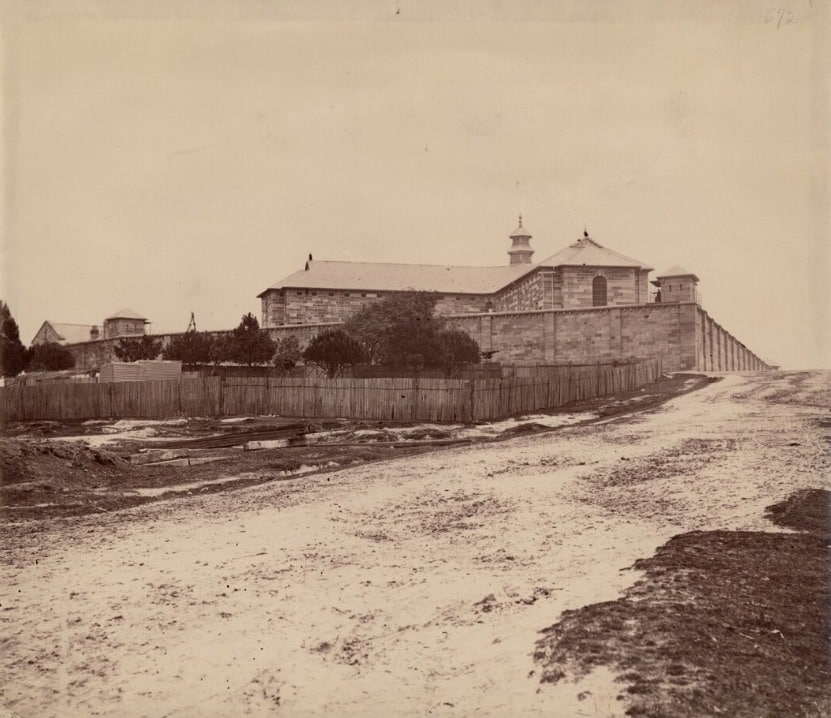
1852: The Last Public Hanging in NSW: Francis Thomas Green Executed at Darlinghurst Gaol

Francis Thomas Green was hanged at Darlinghurst Gaol on 21 September 1852 for the murder of John Jones at Buckley’s Creek on 10 March that year, shot dead with a pistol. The execution holds a grim distinction: it was the last public hanging carried out in New South Wales.

The morning of the execution broke dark and drizzling, yet the crowd was of the usual size, with women reportedly outnumbering men by nearly three to one. A carriage carrying women described by the press as being of “respectable exterior” was drawn up directly in front of the gallows, its occupants showing what one newspaper called a “disgusting eagerness” to secure the best view, while mothers nursed infants and children ran boisterously among the onlookers.

Green’s wife visited him for a final farewell the day before his death, the only moment he was seen to show real emotion. He spent his last night in prayer with a Roman Catholic priest, having initially refused all ministers before requesting Catholic clergy in his final days.

Green made a partial admission to a gaol official before his death, saying that Jones had fallen by his hand “in the heat of a sudden quarrel”.

Darlinghurst Gaol northeast corner view from Burton Street 1870

⬅ See all events from 21 September

Spread the word on your favourite platform!
True Crime Scene Tape

2002: Hillside Strangler Angelo Buono Dies in Prison, Never Expressing Remorse

Angelo Buono Jr., one half of the killing partnership known as the Hillside Stranglers, died of a heart attack at age 67 while serving a life sentence without parole at Calipatria State Prison in California. He had been convicted of nine murders committed with his cousin Kenneth Bianchi in Los Angeles between 1977 and 1978, victims who were kidnapped, tortured and strangled before their bodies were dumped on hillsides around the city.

Buono ran an upholstery shop that served as a base for the pair, luring young women into his van before the killings. Bianchi, who was arrested first in Washington State, struck a deal and testified against Buono in exchange for avoiding the death penalty, a betrayal that helped seal his cousin’s conviction after one of the longest and most expensive criminal trials in California history.

Buono spent the rest of his life in prison showing no remorse for the killings, dying quietly behind bars rather than facing execution.

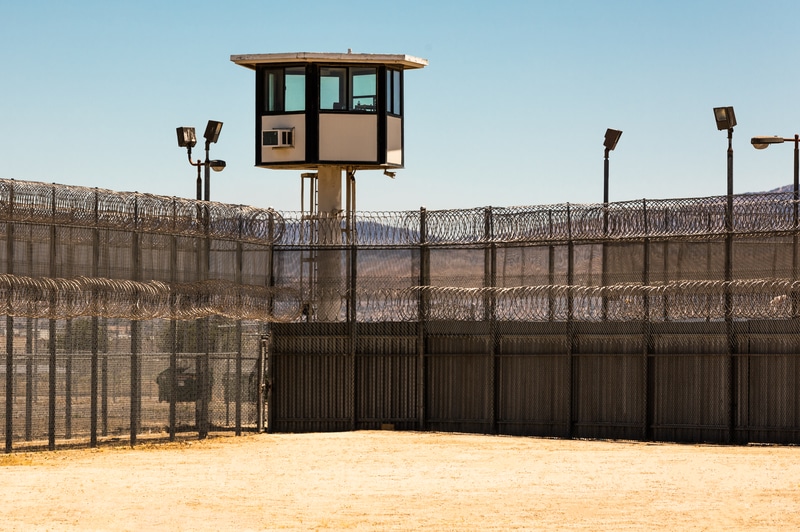
Empty desert prison yard with guard tower in background

⬅ See all events from 21 September

Spread the word on your favourite platform!
True Crime Scene Tape
On This Day in True Crime History
1875·"I Come From a Race That Will Not Take an Insult": Hanged at Melbourne Gaol for a Double Murder
1889·The Devoted Wife Who Poisoned Her Husband in Melbourne, Then Killed Three More
More Crime On This Day →

Subscribe to Dark Stories

True crime stories, dark history and tour news, straight to your inbox.