1890: The Birth of the Queen of Crime: Agatha Christie, 1890

On this date in 1890, Agatha Mary Clarissa Miller was born in Torquay, England, the woman who would become Agatha Christie and the best selling novelist in history after the Bible and Shakespeare. She went on to write 66 detective novels and 14 short story collections, creating enduring figures such as Hercule Poirot and Miss Marple.

Her own life carried a strange echo of her fiction: in 1926 she vanished for eleven days, sparking a nationwide manhunt, before being found registered under an assumed name at a Yorkshire hotel, an episode that remains unexplained to this day.
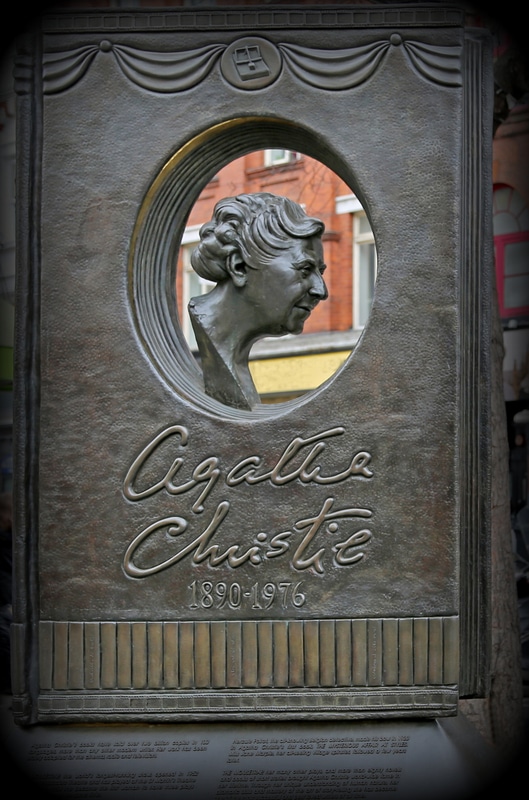

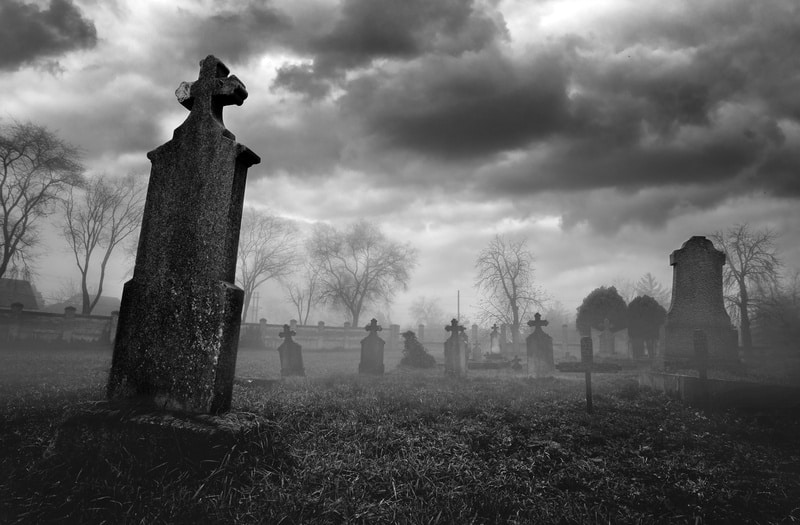
London, Great Britain -May 25, 2016: Agatha Christie Memorial, memorial to author and playwright Agatha Christie, designed by sculptor Ben Twiston-Davies | ID 153687923 © Swetlana Mehlfeld | Dreamstime.com
ID 153687923 © Swetlana Mehlfeld | Dreamstime.com

⬅ See all events from 15 September

Spread the word on your favourite platform!
True Crime Scene Tape

1826: Property Crimes, Not Murder: Seven Men Hanged in Hobart in a Single Morning

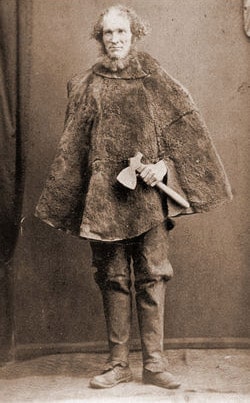
On 15 September 1826, seven convicts, George Brace, John McFarlane, James Edwards, Thomas Balfour, John Dadd, John Clark and Patrick Brown, were hanged together in Hobart, the second of three mass executions carried out that month under Chief Justice John Pedder.

Unlike the seven hanged just two days earlier for murder, not one of this group had killed anyone. Balfour, McFarlane and Edwards went to the gallows for absconding into the bush and robbing settler William Holdship; Brace was hanged for robbery, Dadd and Clark for burglary in Ross, and Brown for stealing sheep, a crime that under Britain’s Bloody Code carried the same legal weight as taking a human life.

The scale of the executions reflected both the severity of imported English law and Governor George Arthur’s determined push to impose discipline on the penal colony. Rather than hang prisoners as they were convicted, the Supreme Court held sentences over and carried them out in batches: seven men on 13 September, seven more on the 15th, and a further nine on the 18th, accounting for nearly half of the 53 executions recorded in Van Diemen’s Land that year.

1826 in the Hobart Colony

⬅ See all events from 15 September

Spread the word on your favourite platform!
True Crime Scene Tape

1828: The Tunnel Under Sydney: Australia’s First Great Bank Robbery

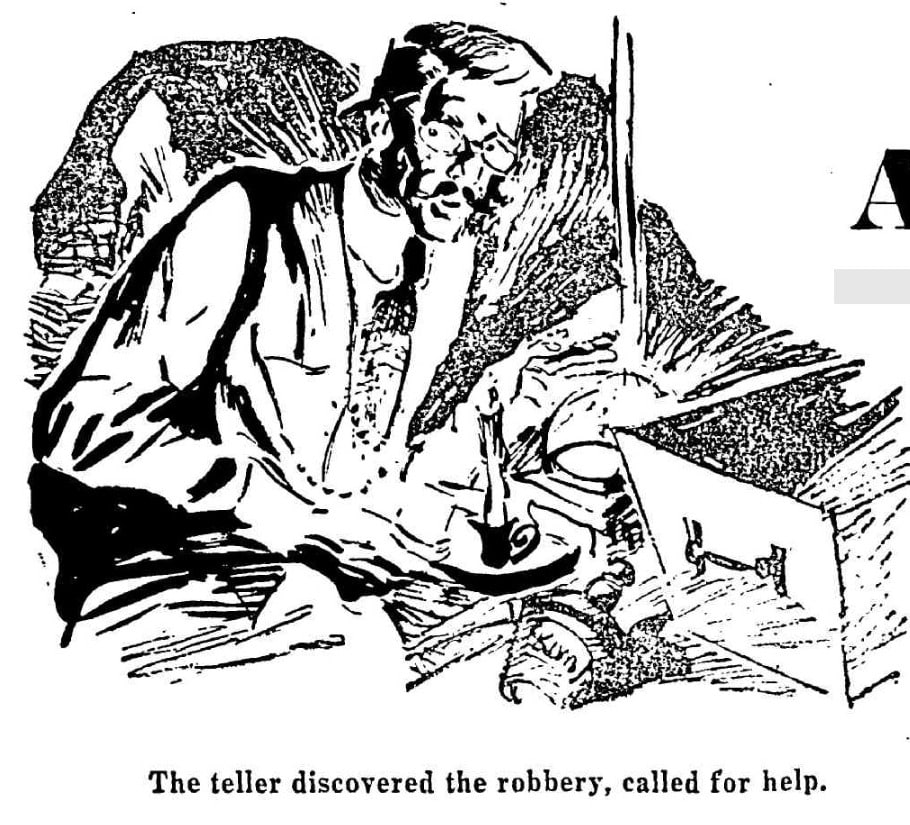
On the night of 14 September 1828, thieves broke into the Bank of Australia in Sydney. A teller arriving the next morning found the strongroom breached.

Thieves had tunnelled through a drain on the opposite side of the street, burrowed underground, and cut through a foundation wall between five and nine feet thick, work that would have taken at least three to four weeks to complete. They made off with 12,000 to 14,000 pounds in cash and property, a sum worth a small fortune today.

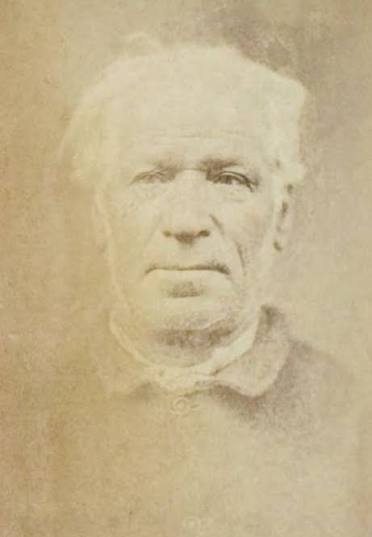
For two and a half years the robbers evaded capture, even as some of the stolen notes began surfacing in circulation and officials issued repeated warnings against using them. The case only broke when one of the gang was sentenced to 14 years on Norfolk Island for an unrelated highway robbery in 1829. Nearly a year into that sentence, he accepted the Governor’s offer of a pardon and confessed, naming his accomplices: one of whom had fled to Ireland, another who had since died, and three more who joined him on Norfolk Island.

Not all the stolen money was recovered. Rumour has long held that boxes of coins from the robbery remain buried near the water’s edge on Sydney’s North Shore.

Discovering the robbery.

⬅ See all events from 14 September

Spread the word on your favourite platform!
True Crime Scene Tape

1909: Convicted Alone: Martha Rendell Sentenced to Death in Perth as Her Partner Walks Free

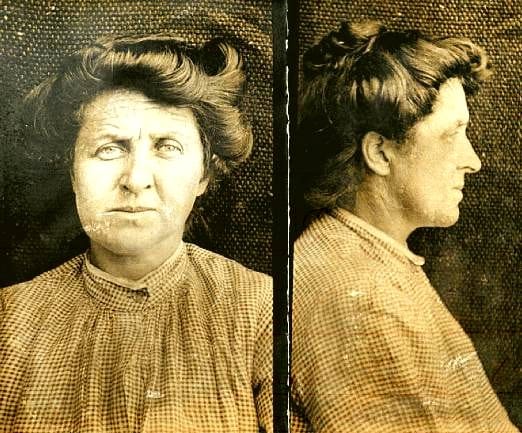
Martha Rendell, de facto wife of Thomas Nicholls Morris, was convicted in the Supreme Court of Western Australia at Perth of the wilful murder of her partner’s son, Arthur Joseph Morris, and sentenced to death by hanging. The court accepted that Thomas Morris had been unaware of what Rendell was doing until after the deaths of the children, and he was acquitted.

Acting Chief Justice Robert McMillan told the jury it was probably the most anxious case he had ever presided over, and voiced concern that newspaper coverage, might have prejudiced their judgement. Rendell maintained her innocence throughout, insisting she had only been treating the children for diphtheria.

Portrait of Martha Rendell

⬅ See all events from 14 September

Spread the word on your favourite platform!
True Crime Scene Tape
On This Day in True Crime History

Subscribe to Dark Stories

True crime stories, dark history and tour news, straight to your inbox.