William Henry Scott, a butcher working in Sydney, was arrested on 10 October 1866 after police traced a bloodstained axe and a scrap of twilled calico he had left in storage with his former landlady, Mrs Janet Orr. The cloth matched a fragment found wrapped around the charred, headless remains of a woman dug up weeks earlier on waste ground off Sussex Street.

The breakthrough led detectives to Scott’s former workmates, who recalled his offhand confession in the days after the killing: that he had “done away with the Kangaroo”, their nickname for the woman who used to wait outside the shop for him each evening. Tried and convicted despite his furious denials, Scott was hanged at Darlinghurst Gaol in March 1867.

On the scaffold he still insisted, “I’ve never murdered man, woman or child in my life”, before forgiving the witnesses he blamed for his conviction.
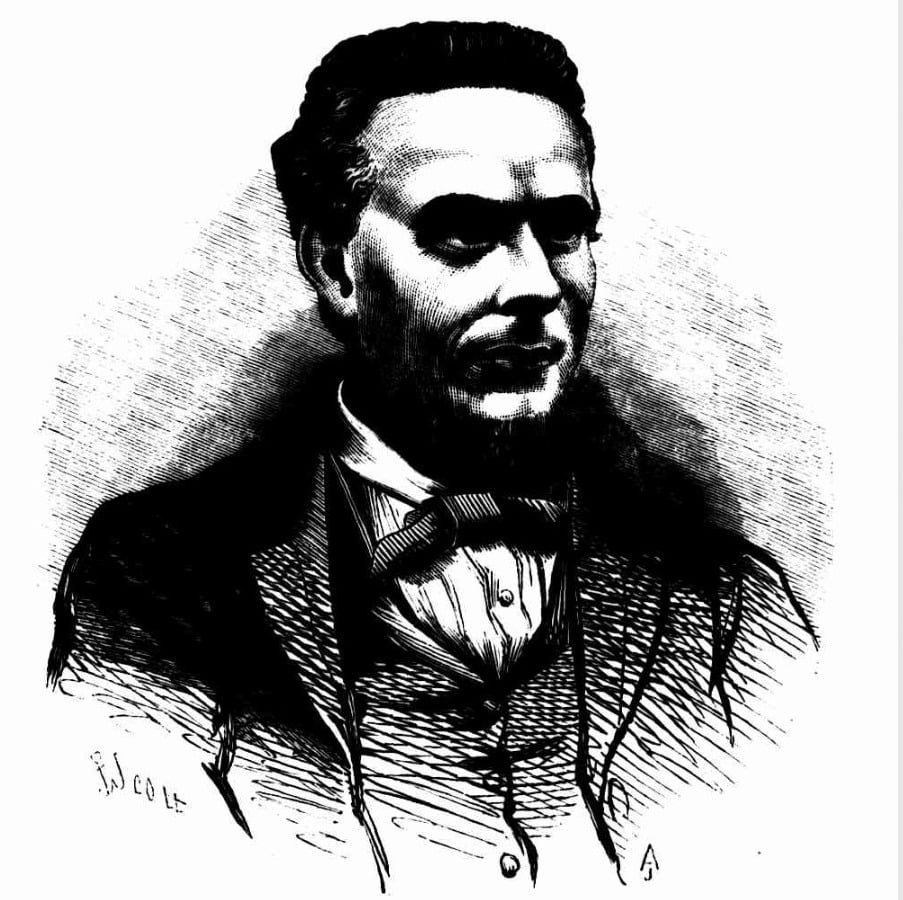

William Henry Scott under sentence of death 1867

⬅ See all events from 10 October

Spread the word on your favourite platform!

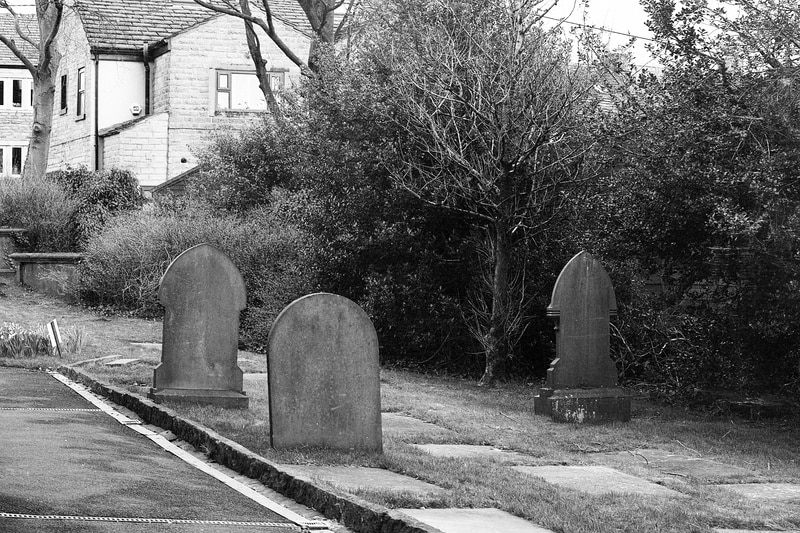
After three days searching the moorland above Manchester, police uncovered the first grave. The discovery confirmed what detectives had feared since finding a body at Ian Brady and Myra Hindley’s home: there were more victims.    Eleven days later, searchers found a second grave. Another victim was never found. His mother spent the rest of her life searching for answers and returning to the moor, hoping to bring her son home.

Graves on Saddleworth Moor in England

⬅ See all events from 10 October

Spread the word on your favourite platform!

Aileen Wuornos killed seven men in Florida, and later claimed the first death was self defence against a convicted rapist. By the time her case reached its final stage, she had turned against the very lawyers trying to save her.

When her appeal team moved for a retrial, Wuornos went to court and had them fired, insisting she was sane and wanted no further appeals. Many who studied her, including documentary maker Nick Broomfield, came to believe otherwise, pointing to erratic, unsettling behaviour in her final interviews as a sign of serious mental illness. The courts accepted her wishes regardless, and she was executed by lethal injection in 2002, declining a final meal.

Wuornos went to her death on this date maintaining a defiant, confused mix of guilt and conspiracy claims rather than a clear confession or denial.

Aileen
Aileen

⬅ See all events from 9 October

Spread the word on your favourite platform!

Kevin Simmonds and fellow inmate Leslie Newcombe escaped Sydney‘s Long Bay jail on 9 October 1959 by squeezing through a ventilator in an old chapel while prisoners watched a film. The next day they killed prison guard Cecil Mills at Emu Plains Prison Farm and fled with his gun, triggering what became the biggest manhunt in Australian history.

Newcombe was caught within a fortnight, but Simmonds evaded hundreds of armed police, tracker dogs and a helicopter for more than five weeks, tying up two rangers and stealing their truck along the way. Detective Sergeant Ray Kelly, nicknamed ‘Gunner’ for his record of shooting suspects, finally ran him down near Mulbring on 15 November, by which point crowds were cheering him at police stations as a folk hero.

A jury convicted both men of manslaughter rather than murder, and Simmonds was sent to the ‘intractables’ wing of Grafton gaol. Six years of brutal treatment there left him a vacant, self-harming shell of the man who had outrun the state; he was found hanged in his cell in 1966.

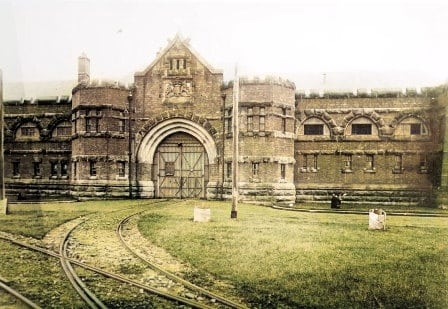
Long Bay Gaol Entrance (circa 1900)

⬅ See all events from 9 October

Spread the word on your favourite platform!
On This Day in True Crime History

Subscribe to Dark Stories

True crime stories, dark history and tour news, straight to your inbox.