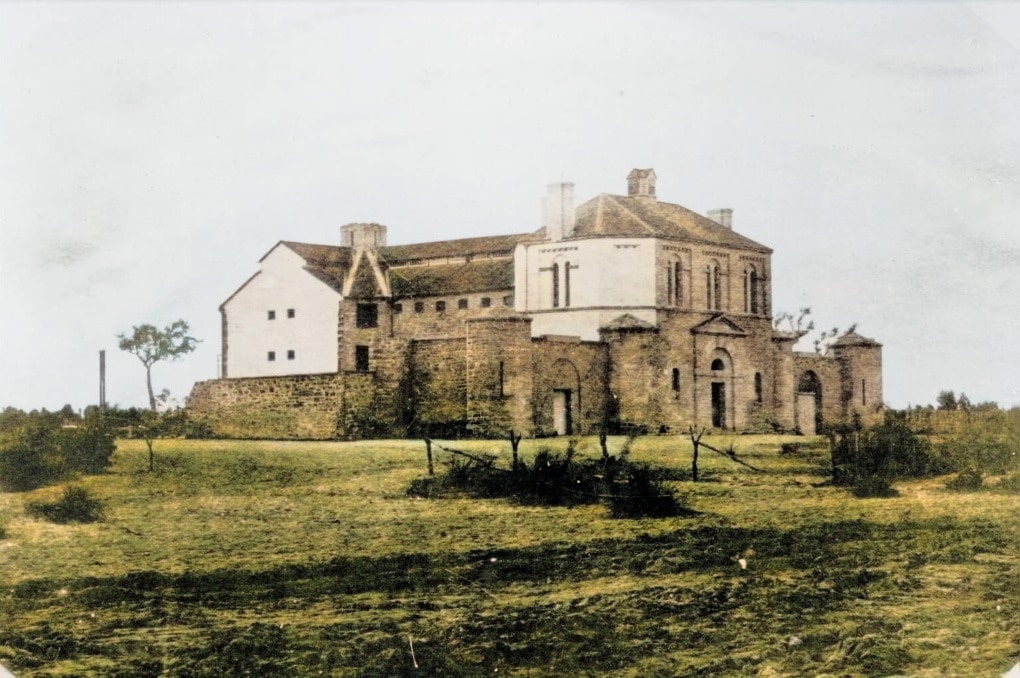
Hugh Dowling and his accomplices broke into William Styles’s house near the Nepean River in 1808, beat a sleeping servant unconscious, bound Styles’s wife as she nursed an infant, and ransacked the home at gunpoint. When Styles’s wife protested handing over her husband’s watch, Dowling reportedly replied, “I ask your pardon madam,” before taking a pipe instead and settling in to smoke tobacco with his companions before leaving.

He wore a crude crape mask, but it slipped while he examined stolen banknotes by candlelight, and Styles’s wife later swore in court that she had seen his bare face clearly enough to identify him without doubt. Convicted despite an alibi the court found riddled with contradictions, Dowling was sentenced to death and hanged the following Thursday.

Dowling maintained his innocence through trial, but the alibi he offered collapsed under questioning and was judged a fabrication by the court.
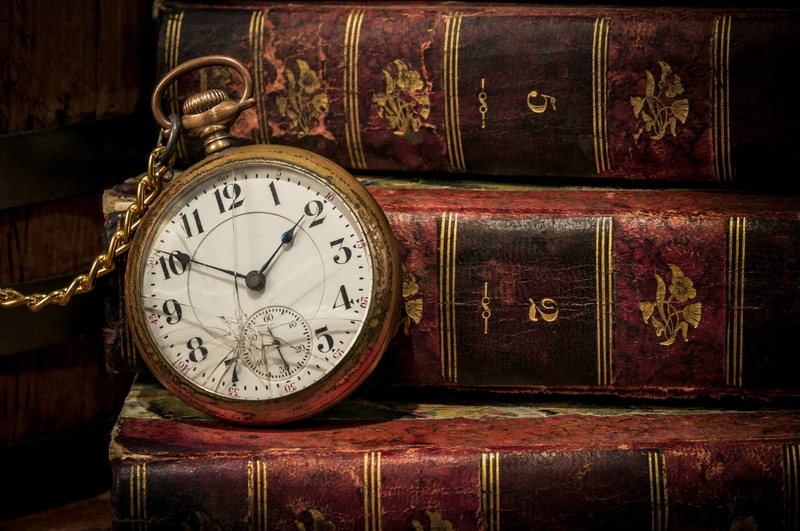

Antique pocket watch resting on old books.

⬅ See all events from 28 September

Spread the word on your favourite platform!

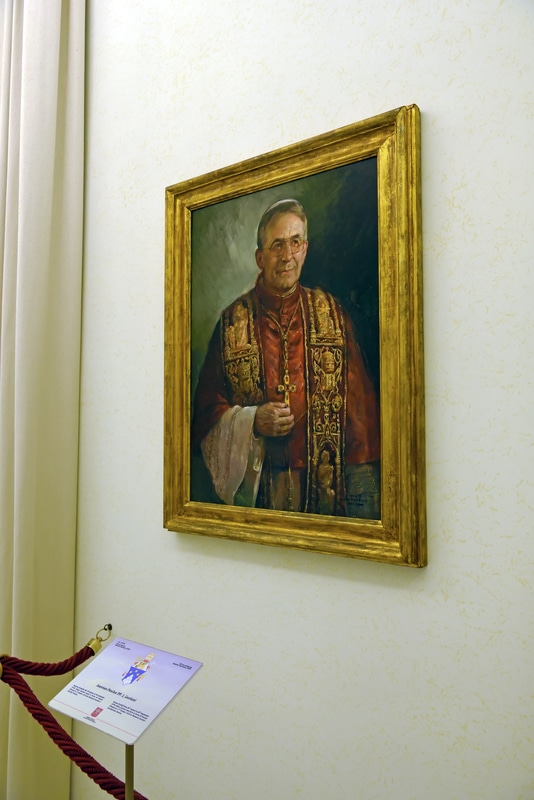
Pope John Paul I was found dead in his bed after just 33 days in office, the shortest papacy since 1605, with a religious devotional still in his hands. The Vatican initially claimed a priest had discovered the body; in truth it was a nun, Sister Vincenza, who found him, and officials lied about it out of embarrassment that a woman had entered the private papal quarters.

No autopsy was performed and the body was embalmed with unusual speed, feeding decades of speculation that he had been poisoned to stop him exposing corruption at the Vatican Bank. One theory even produced a mobster who claimed to have helped administer the poison. Later research drawing on confidential Vatican archives instead found a simpler explanation: a history of heart trouble, chest pains the night before his death, and no doctor ever called.

Castel Gandolfo Lazio Italy. Portrait of Pope John Paul I, albino luciani in the museum of the pontifical villas 11 Sep 2022 Castel Gandolfo Italy | ID 259284583 © Maudanros | Dreamstime.com
ID 259284583 © Maudanros | Dreamstime.com

⬅ See all events from 28 September

Spread the word on your favourite platform!

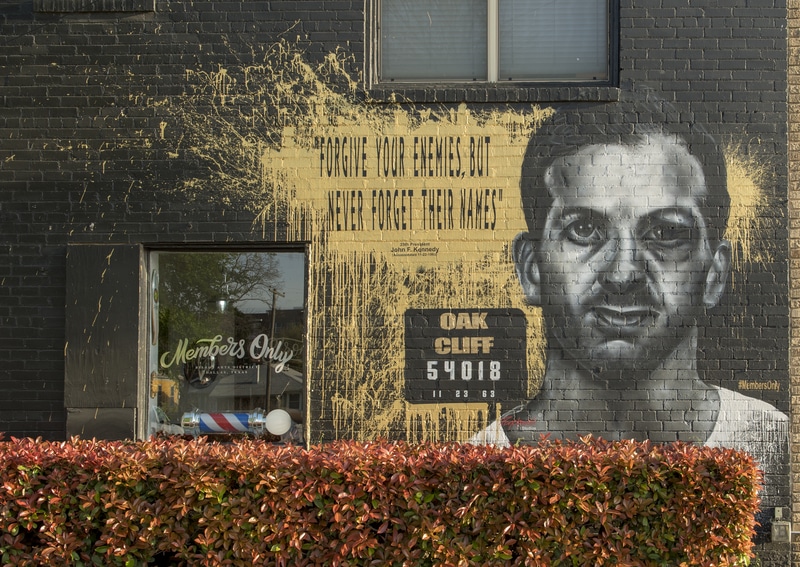
On September 27, 1964, the Warren Commission delivered its report on the assassination of President John F. Kennedy, concluding after a ten month inquiry that Lee Harvey Oswald acted alone in firing the shots that killed the president in Dallas on November 22, 1963.

The commission, chaired by Chief Justice Earl Warren and formed by executive order of President Lyndon Johnson, found no evidence of a conspiracy, foreign or domestic, and determined that Jack Ruby likewise acted alone when he shot Oswald dead two days after the assassination while Oswald was in police custody.

The report’s single bullet theory, used to explain the wounds suffered by both Kennedy and Texas Governor John Connally from one shot, became the most disputed element of the findings and fueled decades of public skepticism and rival conspiracy theories that persist to this day.

Lee Harvey Oswald Mural, Bishop Arts District, Dallas, Texas. Pictured is a mural on the side of the Members Only barber shop in the Bishop Arts District, Dallas, Texas. It features Lee Harvey Oswald, the man who assassinated president John F. Kennedy on November 22, 1963. He was arrested a short time later in the Texas Movie Theatre in Oak Cliff. It was painted by renowned Dallas muralist, Theo Ponchaveli. The Bishop Arts District is a small shopping and entertainment district in north Oak Cliff, immediately southwest of Downtown Dallas. It was originally developed as warehouses and shops in the 1920s. | ID 112938931 © David Pillow | Dreamstime.com
ID 112938931 © David Pillow | Dreamstime.com

⬅ See all events from 27 September

Spread the word on your favourite platform!

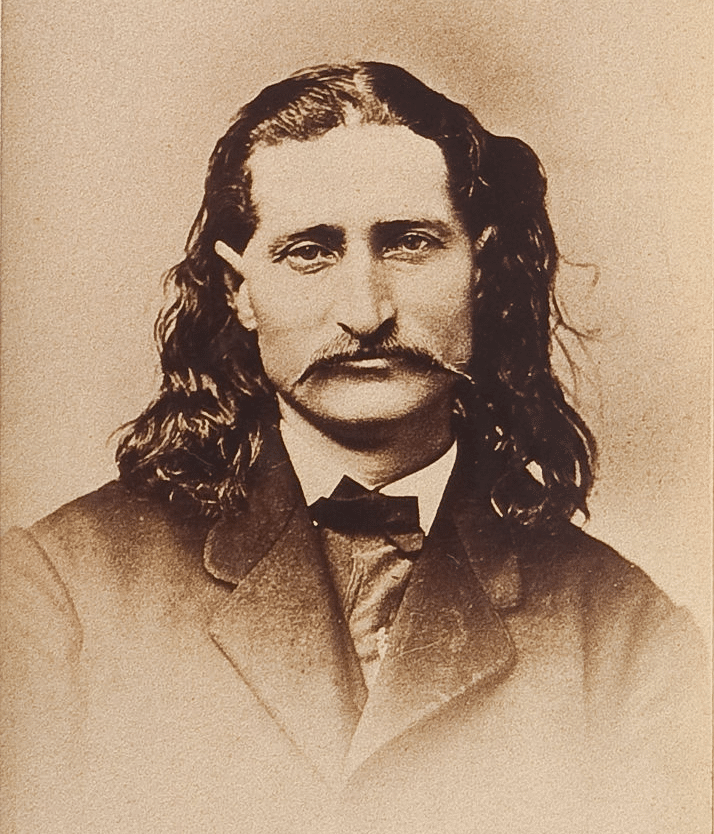
At about one o’clock on the morning of 27 September 1869, Sheriff “Wild Bill” Hickok and his deputy responded to a disturbance at John Bitter’s Beer Saloon in Hays City, Kansas. A cowboy named Samuel Strawhun and several drunken companions were reportedly damaging the saloon. During the confrontation, Strawhun made remarks against Hickok, who shot him through the head, killing him.

Hickok maintained that he had been trying to restore order. Despite conflicting witness accounts, a jury at the coroner’s inquest ruled the shooting justifiable. Strawhun was the second man Hickok had killed during his first month as sheriff.

Sepia portrait of Wild Bill Hickok

⬅ See all events from 27 September

Spread the word on your favourite platform!
On This Day in True Crime History
1867·Hanged at Perth Gaol, His Final Words a Shout for the Irish Republic
1908·The Slowest Death: a Perth Stepmother's Acid Poisoning Spree Claims a Third Child
1923·Squizzy Taylor Walked Free While a Man Who Never Fired a Shot Hanged for a Melbourne Bank Murder
More Crime On This Day →

Subscribe to Dark Stories

True crime stories, dark history and tour news, straight to your inbox.