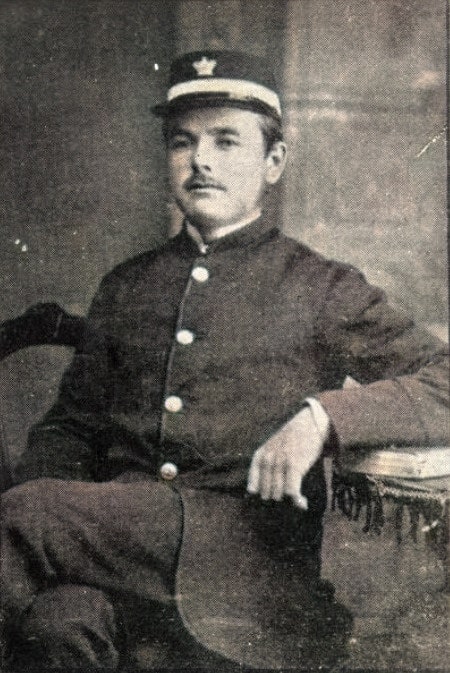
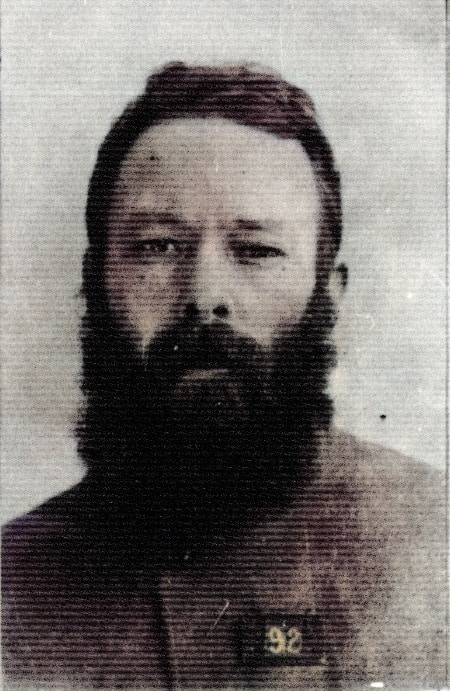
Jean Eric Gassy was a psychiatrist deregistered in 1997 after Dr Margaret Tobin, his former boss, flagged his fitness to practise. Convinced she had conspired to destroy his career, he drew up a hit list of doctors and, five months before her death, followed her to a conference in Brisbane armed with a gun, only to drop it on the pavement outside and abandon the attempt.

On 14 October 2002 he tried again, flying to Adelaide, disguising himself and following Tobin into the lift of her Hindmarsh Square office. As she stepped out onto her floor, he shot her four times, then removed his disguise and walked away. Convicted of murder in 2004, he won a retrial when the High Court found the trial judge’s directions had caused a substantial miscarriage of justice; a second jury convicted him again in 2009, and he remains in prison with a non-parole period of 34 years.


Shot whilst stepping out of an elevator door.

⬅ See all events from 14 October

Spread the word on your favourite platform!

Dino Dibra, 25, was one of the early casualties of Melbourne‘s gangland war. He was gunned down on this day the moment he stepped outside his home in Sunshine West, hit multiple times in what police believed was a professional, pre-planned hit rather than a chance confrontation.

Investigators were confident a hired shooter had been waiting for him, and suspicion quickly fell on Andrew Veniamin, a figure who would go on to be linked to several more killings as the underworld conflict spread across the city. Dibra’s murder became one of the opening chapters in a decade-long cycle of tit-for-tat violence that would eventually claim more than thirty lives.

Gangland: more than a dictionary definition in Melbourne, 1998–2010.

⬅ See all events from 14 October

Spread the word on your favourite platform!

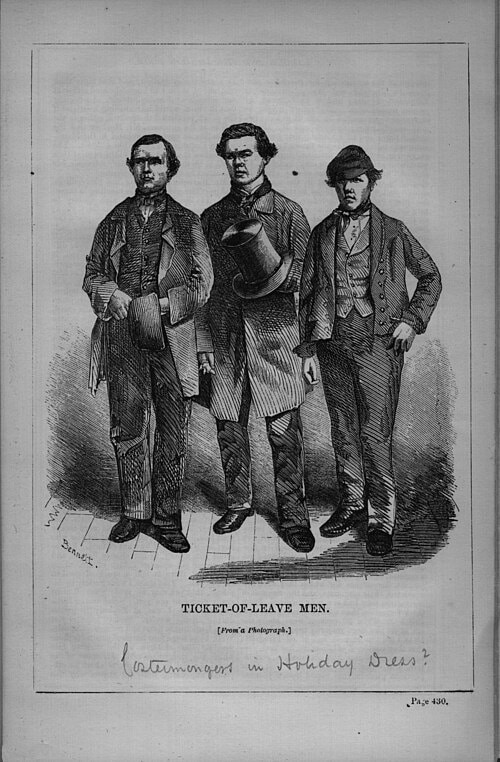
Thomas Airey had spent most of his adult life behind bars in England before he was transported to Western Australia aboard the Nile, arriving at Fremantle in December 1857 to serve a 15 year sentence for burglary. In June 1860 he was granted a ticket of leave, a conditional release that let convicts who had shown good behaviour work and live within a set district without constant supervision, a step short of full freedom but a clear sign the colony had judged him trustworthy.

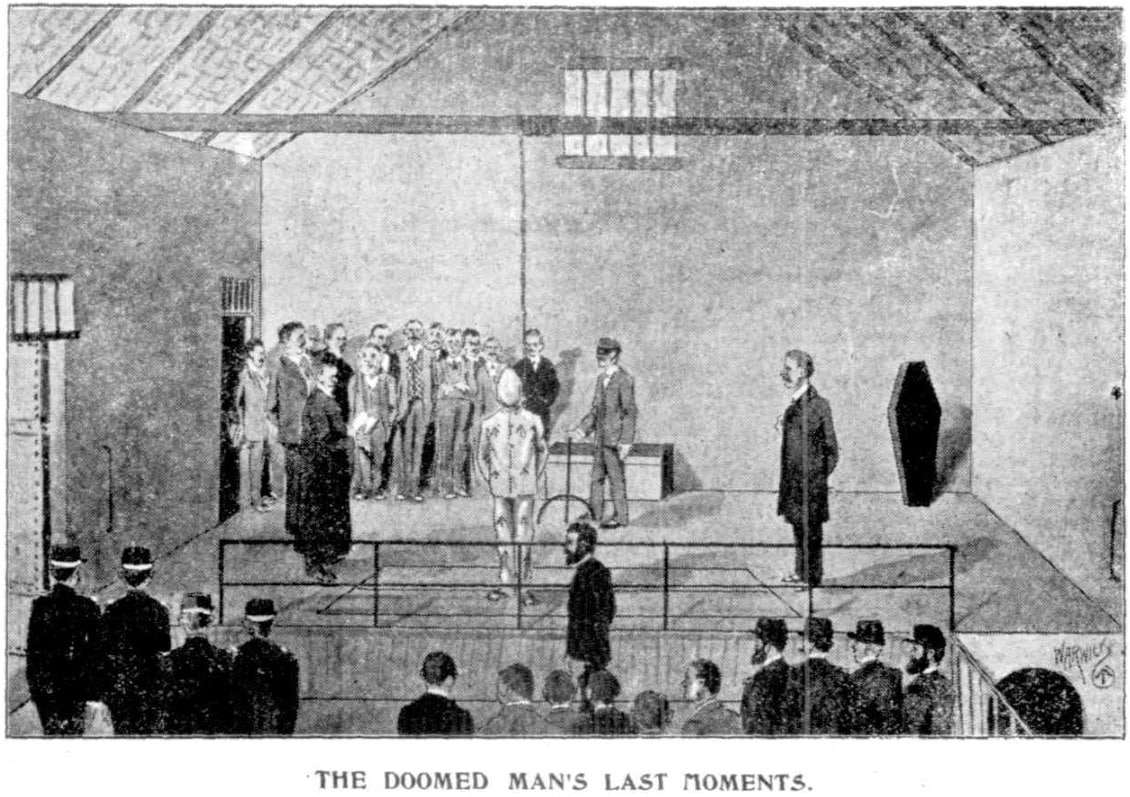
That trust lasted barely four months. By October 1860 Airey stood before the Supreme Court in Perth convicted of a serious assault and sentenced to death. He was hanged at Perth Gaol on 13 October 1860, aged 29, and buried the following day at East Perth Cemetery.

Ticket of leave men historical photograph

⬅ See all events from 13 October

Spread the word on your favourite platform!

Two days after shooting cabdriver Paul Stine dead in San Francisco, the Zodiac Killer sent the San Francisco Chronicle a taunting letter dated October 13, 1969. Inside was a torn piece of Stine’s bloodstained shirt, offered as proof the killer was the same man terrorising the Bay Area, not a copycat.

The letter mocked police for failing to catch him despite patrols flooding the area that night, and promised more killings to come. It remains one of several pieces of physical evidence tied to an identity that, more than fifty years on, has never been conclusively proven.

Symbolism
Symbolism

⬅ See all events from 13 October

Spread the word on your favourite platform!
On This Day in True Crime History

Subscribe to Dark Stories

True crime stories, dark history and tour news, straight to your inbox.