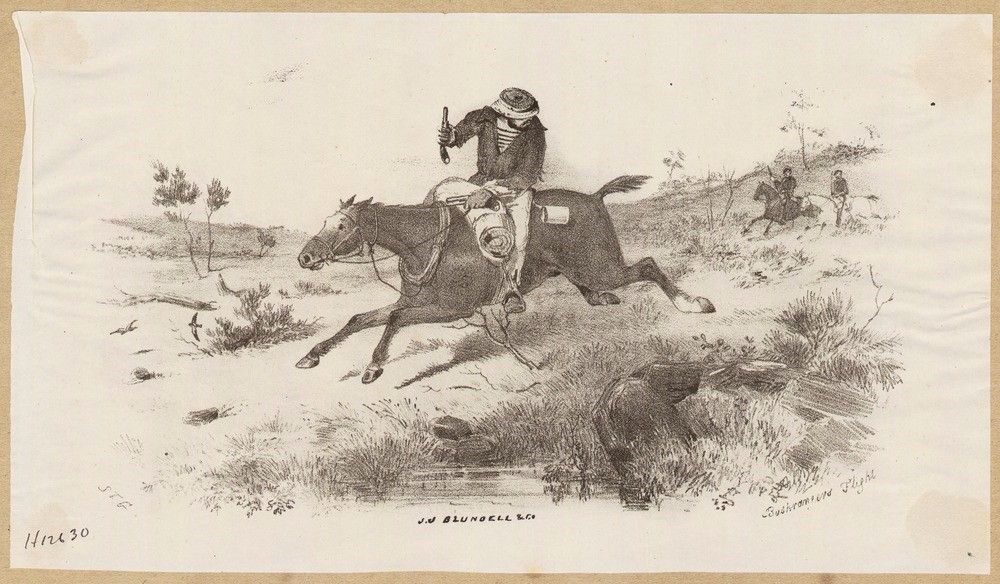
Harry Power was already a seasoned escaper and highway robber when, in 1869, he took on a teenage recruit: Ned Kelly, son of a sympathetic Irish family who sheltered him in the Ovens district. For a few months the pair stuck up coaches and squatters together, Power later boasting of hundreds of robberies, until Kelly broke away and Power carried on alone, eventually suspecting his young protege of helping police track him down.

Captured in 1870 after being betrayed by a relative of the Kelly family, Power served another fifteen years at Pentridge before his release in 1885. He spent his last years as a guide aboard the old prison hulk Success, now a museum ship, before drowning in the Murray River near Swan Hill in October 1891, his body found days later at Tyntynder. One newspaper suggested suicide, but the drowning of a man who had survived two prison escapes and a life of robbery without ever killing anyone was most likely a simple accident.
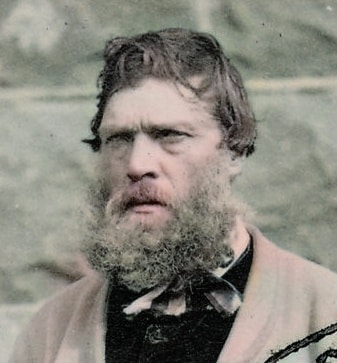

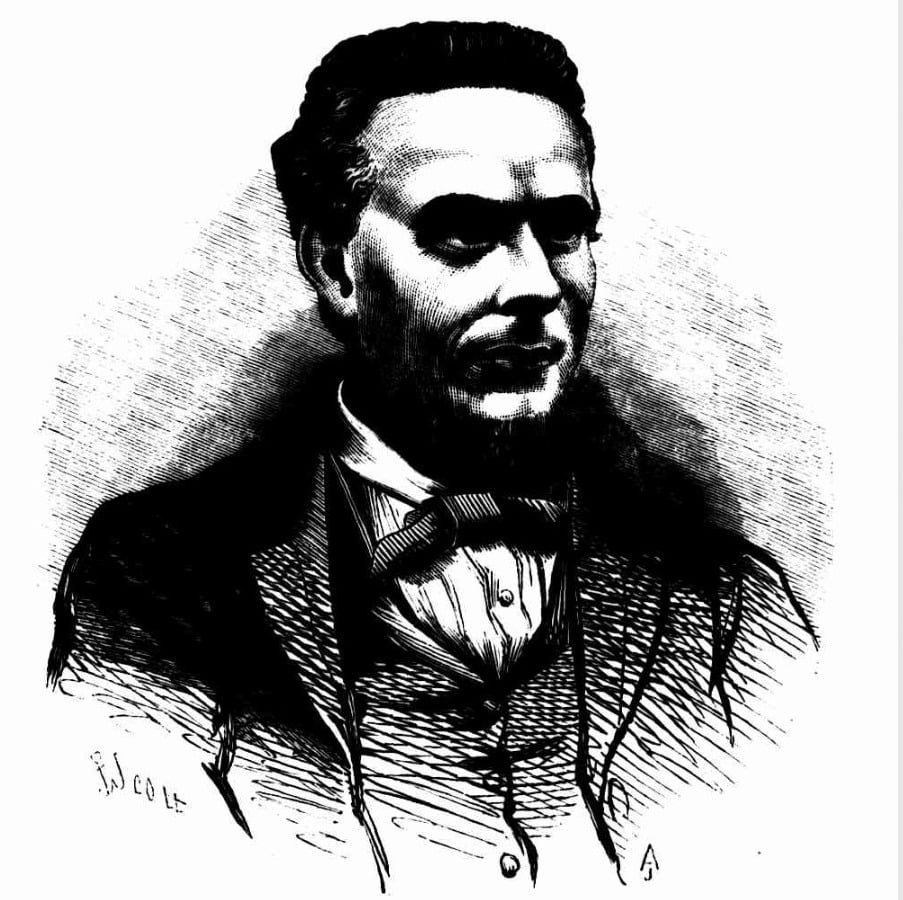
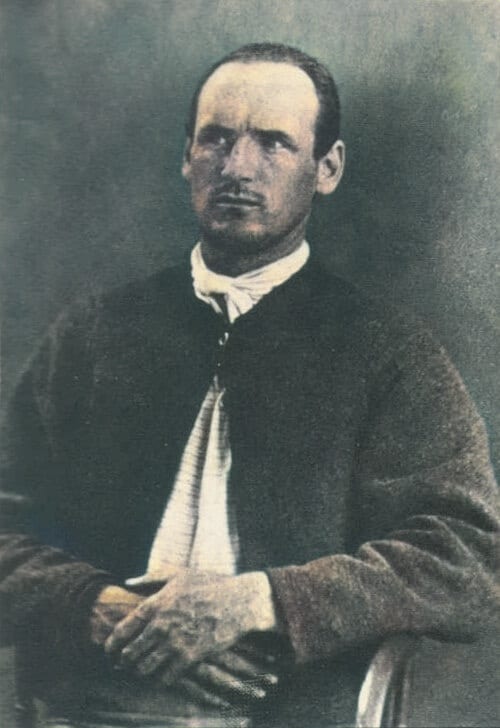
Bushranger Harry Power 1870s

⬅ See all events from 11 October

Spread the word on your favourite platform!

Ian Brady insisted that his lover, Myra Hindley, had nothing to do with the killing. But detectives found a handwritten account in her car describing their plan to murder a teenager: a plan they had already carried out.

Further searches uncovered photographs and a tape recording documenting another victim’s ordeal. On the recording, detectives heard not only the pleas for mercy, but the voices of Brady and Hindley themselves.

Guilty or guilty.
Guilty or guilty.

⬅ See all events from 11 October

Spread the word on your favourite platform!

William Henry Scott, a butcher working in Sydney, was arrested on 10 October 1866 after police traced a bloodstained axe and a scrap of twilled calico he had left in storage with his former landlady, Mrs Janet Orr. The cloth matched a fragment found wrapped around the charred, headless remains of a woman dug up weeks earlier on waste ground off Sussex Street.

The breakthrough led detectives to Scott’s former workmates, who recalled his offhand confession in the days after the killing: that he had “done away with the Kangaroo”, their nickname for the woman who used to wait outside the shop for him each evening. Tried and convicted despite his furious denials, Scott was hanged at Darlinghurst Gaol in March 1867.

On the scaffold he still insisted, “I’ve never murdered man, woman or child in my life”, before forgiving the witnesses he blamed for his conviction.

William Henry Scott under sentence of death 1867

⬅ See all events from 10 October

Spread the word on your favourite platform!

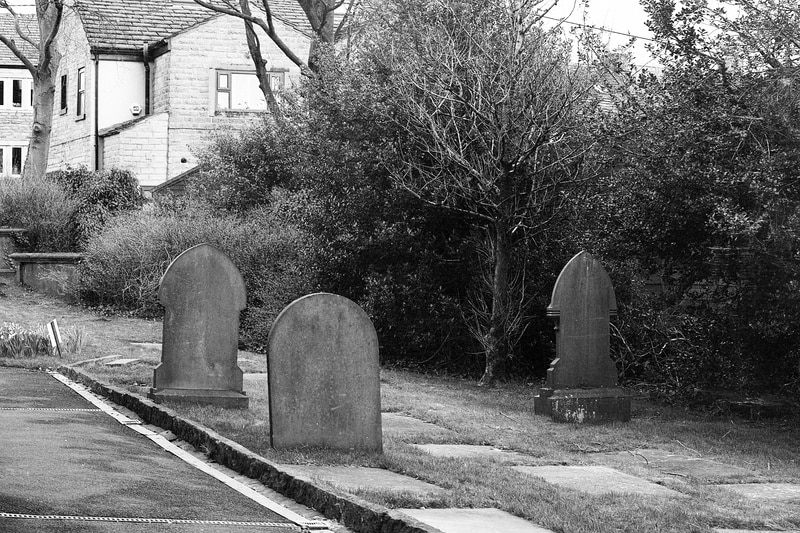
After three days searching the moorland above Manchester, police uncovered the first grave. The discovery confirmed what detectives had feared since finding a body at Ian Brady and Myra Hindley’s home: there were more victims.    Eleven days later, searchers found a second grave. Another victim was never found. His mother spent the rest of her life searching for answers and returning to the moor, hoping to bring her son home.

Graves on Saddleworth Moor in England

⬅ See all events from 10 October

Spread the word on your favourite platform!
On This Day in True Crime History

Subscribe to Dark Stories

True crime stories, dark history and tour news, straight to your inbox.