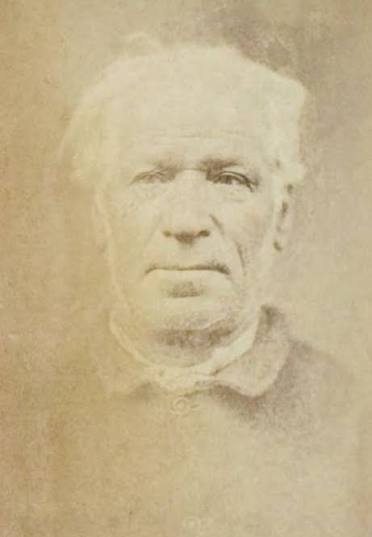
1952: An All-Night Manhunt: 400 Police Search Brisbane

By the early hours of 21 September 1952, more than 400 police had been drawn into the hunt for Betty Shanks’s killer in Brisbane. Patrol cars criss-crossed the suburbs and officers searched streets and parks through the night. Police leave was cancelled, at least 100 investigators went without sleep, and residents near the Wilston murder scene were warned to lock doors and windows amid fears of another attack.

An early lead came to nought, and after roughly 20 hours of investigation police were still searching without a breakthrough. A description was issued of a man wanted in connection with the killing, following reports of someone leaping a fence near where Betty’s body was found. Despite the massive manhunt, her murder would become one of Brisbane’s most famous cold cases, still unsolved today.
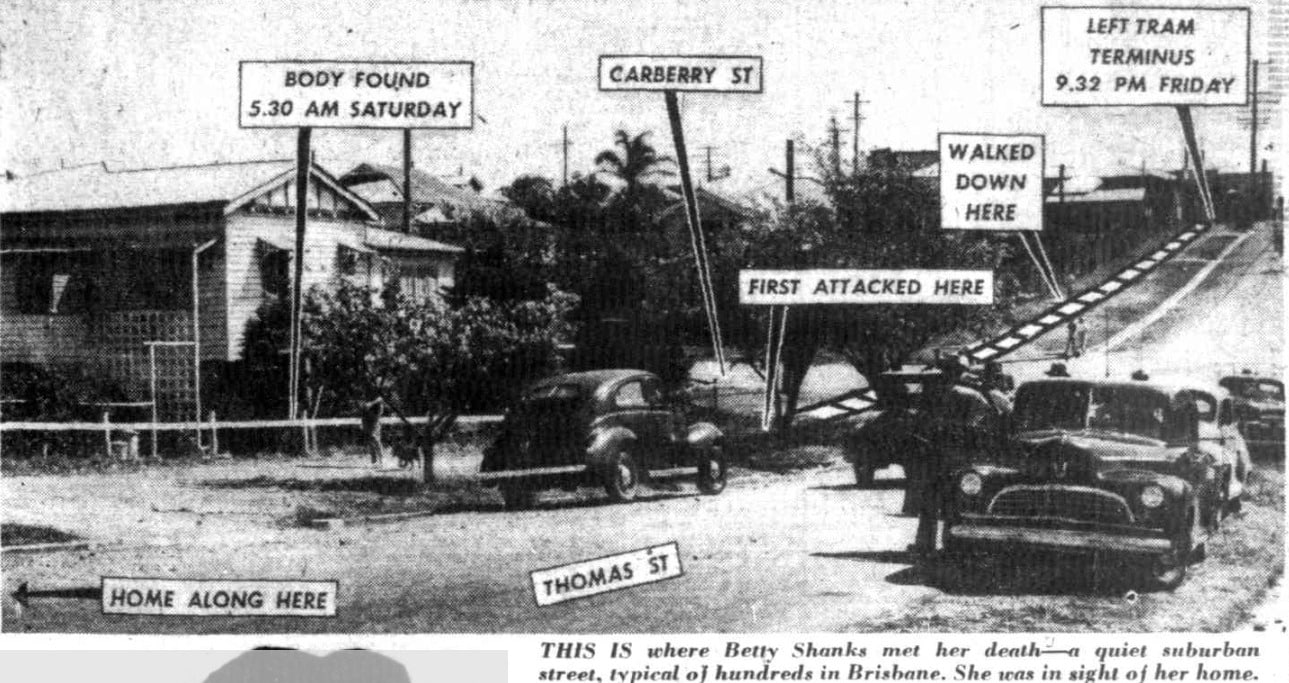

Crime scene street where Betty Shanks was killed near her home Brisbane

⬅ See all events from 21 September

Spread the word on your favourite platform!
True Crime Scene Tape

1852: The Last Public Hanging in NSW: Francis Thomas Green Executed at Darlinghurst Gaol

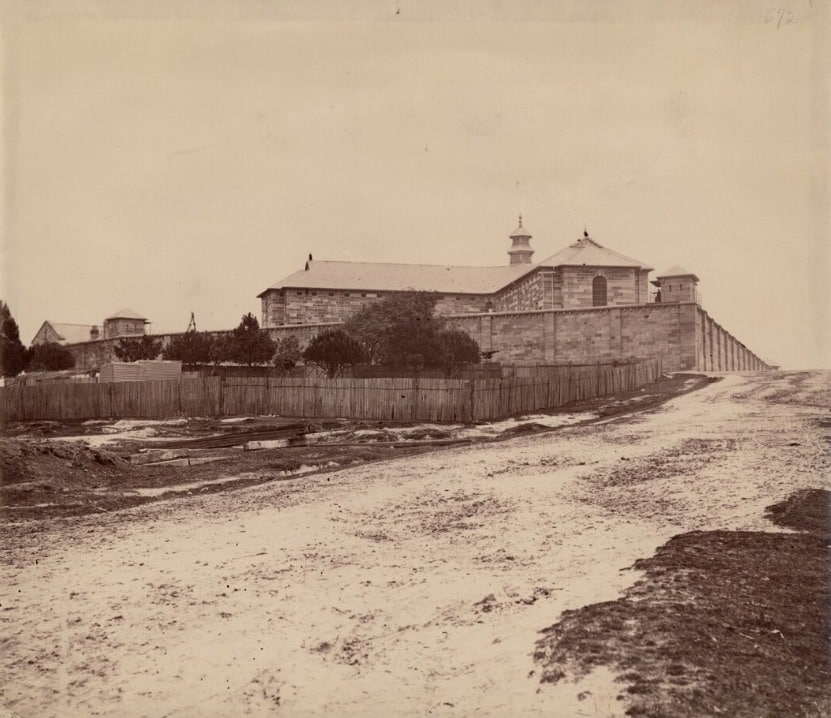
Francis Thomas Green was hanged at Darlinghurst Gaol on 21 September 1852 for the murder of John Jones at Buckley’s Creek on 10 March that year, shot dead with a pistol. The execution holds a grim distinction: it was the last public hanging carried out in New South Wales.

The morning of the execution broke dark and drizzling, yet the crowd was of the usual size, with women reportedly outnumbering men by nearly three to one. A carriage carrying women described by the press as being of “respectable exterior” was drawn up directly in front of the gallows, its occupants showing what one newspaper called a “disgusting eagerness” to secure the best view, while mothers nursed infants and children ran boisterously among the onlookers.

Green’s wife visited him for a final farewell the day before his death, the only moment he was seen to show real emotion. He spent his last night in prayer with a Roman Catholic priest, having initially refused all ministers before requesting Catholic clergy in his final days.

Green made a partial admission to a gaol official before his death, saying that Jones had fallen by his hand “in the heat of a sudden quarrel”.

Darlinghurst Gaol northeast corner view from Burton Street 1870

⬅ See all events from 21 September

Spread the word on your favourite platform!
True Crime Scene Tape

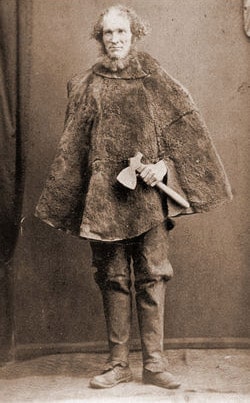
1822: Eight Convicts Fled Macquarie Harbour, and Two Ate the Rest

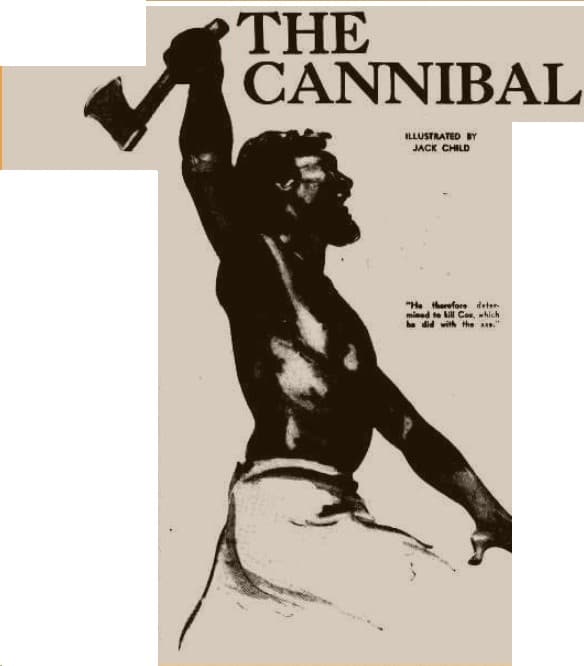
On 20 September 1822, Alexander Pearce, Bob Greenhill and six other convicts escaped the brutal penal outpost of Macquarie Harbour on Tasmania’s west coast, plunging into some of the most impenetrable wilderness in the colony with almost no food or supplies.

As starvation set in, the group turned on itself. Greenhill, who had once been a butcher, took the lead in killing and butchering their companions one by one to survive, and Pearce joined him in eating the flesh of the dead.

Eventually only Pearce and Greenhill remained, each watching the other, until Pearce killed Greenhill as well and continued alone, becoming the last man standing from the original party of eight.

The Cannibal of Macquarie Harbour

⬅ See all events from 20 September

Spread the word on your favourite platform!
True Crime Scene Tape

1939: Seven Years by Kayak from Germany to Australia, Then Arrested the Moment He Landed

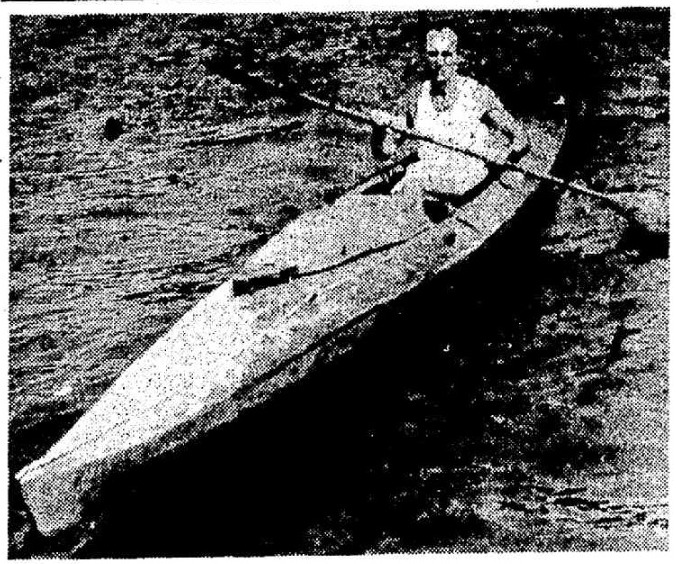
Oskar Speck left Hamburg on May 13, 1932, paddling an 18 foot Faltboot, a folding kayak made of rubber and canvas, carrying five gallons of water, a small movie camera and a Mauser pistol. His route ran down the Danube, across the Mediterranean, overland to the Euphrates, down the Persian Gulf and on through Baluchistan and India, surviving on water mixed with condensed milk, cheese and chocolate, and once covering 90 miles in a single 65 hour stretch without leaving the boat.

In 1933, while at Alexandretta, he received a telegram from the Nazi government ordering him home now that “the Fuehrer is here”; he ignored it and kept paddling. He was reported dead more than once along the way, including after a close call with a shark in the Persian Gulf: “They thought the sharks had got me,” he later said, “but I am still here.”

After roughly seven years at sea, Speck finally reached Thursday Island in the Torres Strait, only to be arrested on arrival and interned as an enemy alien, World War II having begun just three weeks earlier. He spent the next six years locked up in prisoner-of-war camps across Australia.

Oskar Speck Arrested

⬅ See all events from 20 September

Spread the word on your favourite platform!
True Crime Scene Tape
On This Day in True Crime History

Subscribe to Dark Stories

True crime stories, dark history and tour news, straight to your inbox.