Jean Eric Gassy was a psychiatrist deregistered in 1997 after Dr Margaret Tobin, his former boss, flagged his fitness to practise. Convinced she had conspired to destroy his career, he drew up a hit list of doctors and, five months before her death, followed her to a conference in Brisbane armed with a gun, only to drop it on the pavement outside and abandon the attempt.

On 14 October 2002 he tried again, flying to Adelaide, disguising himself and following Tobin into the lift of her Hindmarsh Square office. As she stepped out onto her floor, he shot her four times, then removed his disguise and walked away. Convicted of murder in 2004, he won a retrial when the High Court found the trial judge’s directions had caused a substantial miscarriage of justice; a second jury convicted him again in 2009, and he remains in prison with a non-parole period of 34 years.
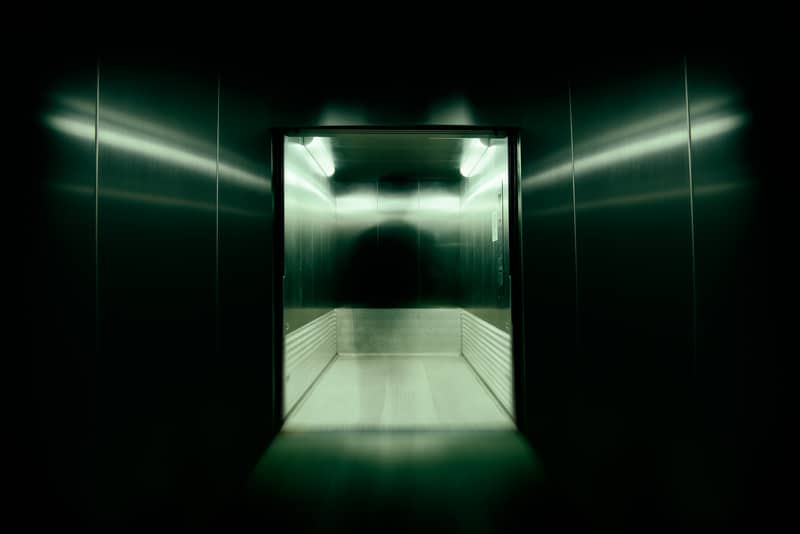

Shot whilst stepping out of an elevator door.

⬅ See all events from 14 October

Spread the word on your favourite platform!

A boy named John Burtenshaw was killed in 1839 while minding sheep on the banks of the Canning River near Maddington, within sight of a farm a few miles from Perth. The accused was identified as responsible during a tense period of conflict between settlers and Aboriginal communities on the colonial frontier.

He was tried and sentenced to death, then taken from Fremantle gaol in 1841 and hanged at the very spot where the killing had occurred. Accounts recorded that on the road to the gallows he showed no fear, finding comfort in a belief that after death he would come back to life.

Curved sandy riverbank on Canning River in Perth at sunset

⬅ See all events from 14 October

Spread the word on your favourite platform!

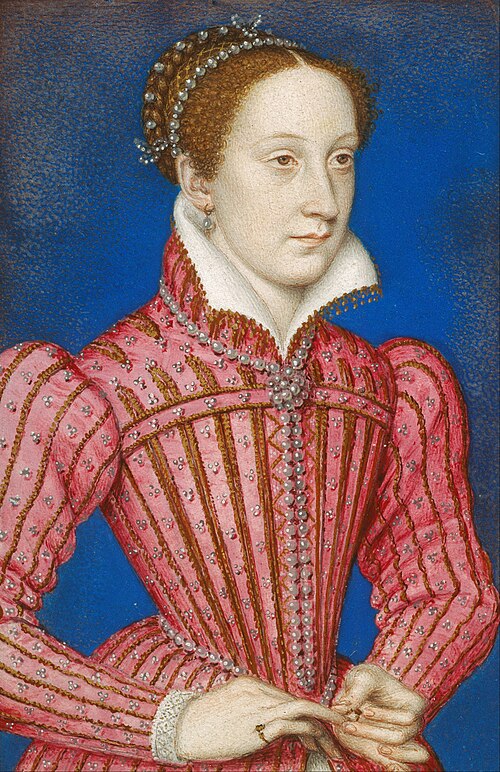
She had already lost one throne and spent nearly two decades a prisoner in England, but in October 1586 Mary, Queen of Scots, was brought before a tribunal of English noblemen at Fotheringhay Castle, accused of plotting to assassinate her own cousin, Queen Elizabeth I. Letters allegedly written in cipher, part of what became known as the Babington Plot, were produced as evidence that she had approved a plan to murder Elizabeth and seize the English crown for herself.

Mary denied any part in the conspiracy and refused at first to recognise the court’s authority over an anointed queen. The trial proceeded regardless, and the verdict that followed would send her to the executioner’s block the following year.

Portrait of Mary Queen of Scots in royal attire

⬅ See all events from 14 October

Spread the word on your favourite platform!

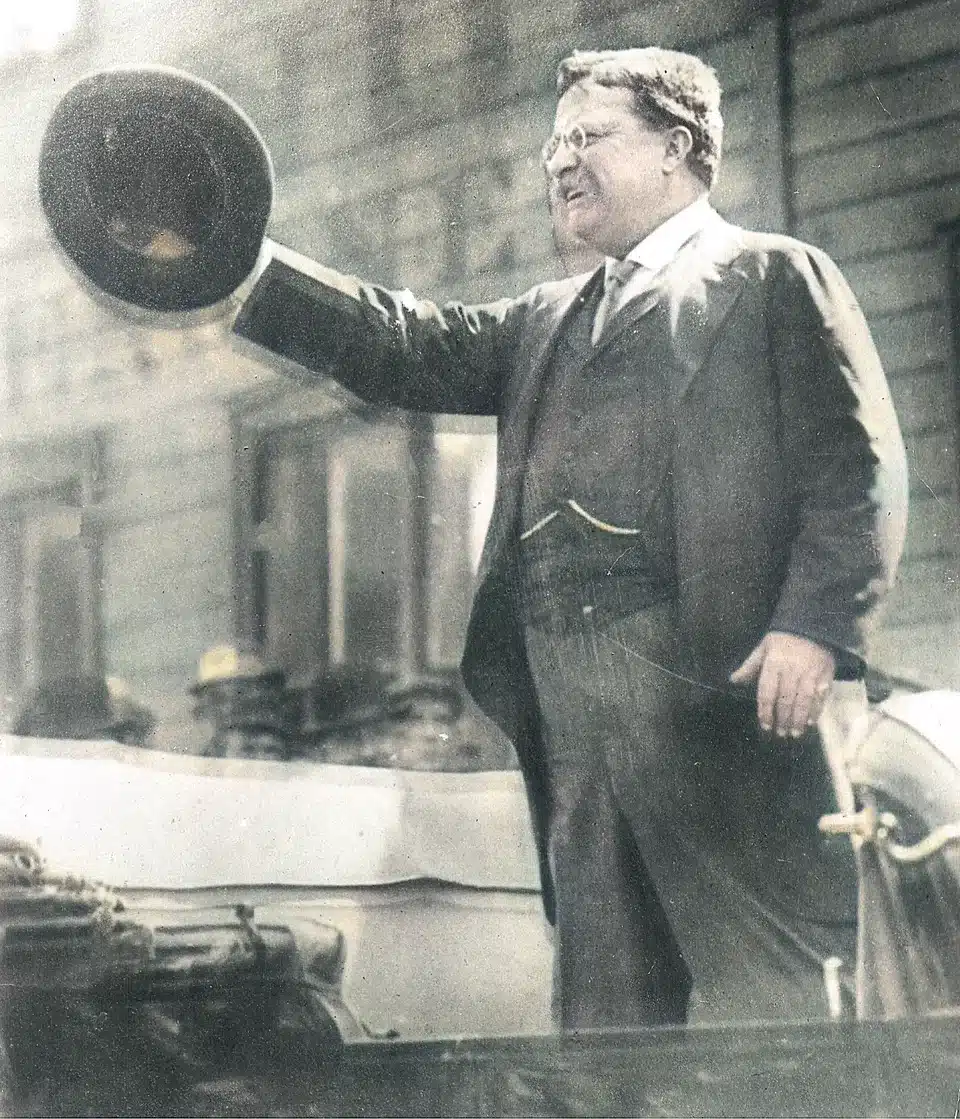
Theodore Roosevelt was climbing into his car in Milwaukee on 14 October 1912, campaigning for a third term as president, when a former saloonkeeper named John Schrank stepped from the crowd and shot him in the chest. The bullet had already been slowed by a folded steel glasses case and a fifty page speech manuscript in his breast pocket before it lodged in his chest muscle.

With the crowd turning on the gunman, Roosevelt shouted for Schrank to be left unharmed and handed to police. Then, bleeding and reasoning from his own hunting experience that he was not coughing blood and so his lung was untouched, he refused hospital treatment and walked onto the stage. He opened his address with the line that followed him ever after: “It takes more than that to kill a bull moose.” He spoke for roughly ninety minutes before finally agreeing to see a doctor. Surgeons judged the bullet too close to vital organs to remove, and Roosevelt carried it in his chest for the rest of his life.

Theodore Roosevelt speaking from a car shortly before being shot in 1912.

⬅ See all events from 14 October

Spread the word on your favourite platform!
On This Day in True Crime History

Subscribe to Dark Stories

True crime stories, dark history and tour news, straight to your inbox.