1630: A Mayflower Pilgrim Becomes the First Man Hanged in the New World Colonies

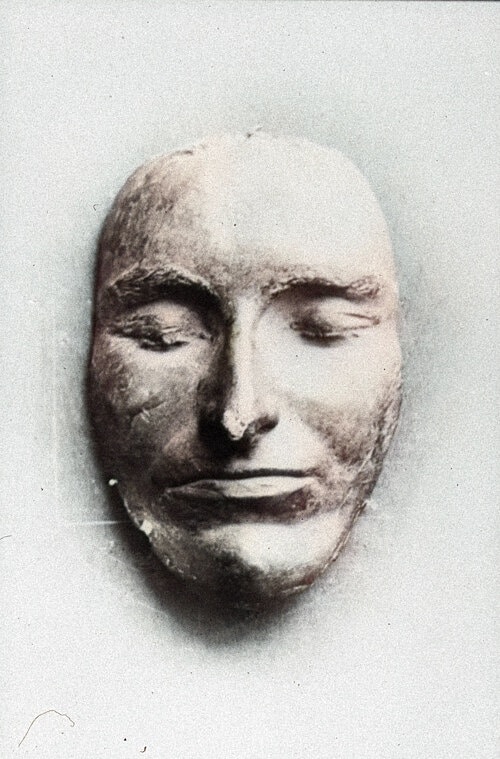
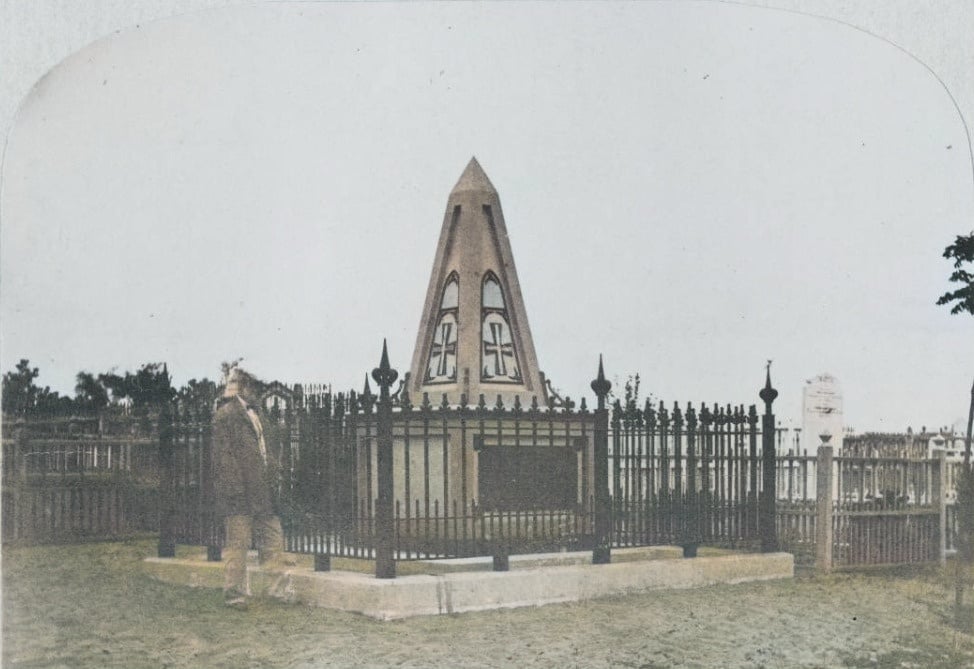
John Billington had been a troublemaker since the Mayflower crossing, defying Myles Standish and drawing accusations in a colony revolt, always insisting he was innocent. In 1630 a long feud over land boundaries turned fatal when he ambushed and shot fellow colonist John Newcomen, reportedly after catching him robbing his traps.

A grand and petty jury found Billington guilty of willful murder. Governor William Bradford, wary of setting a precedent, consulted the leaders of the neighbouring Massachusetts Bay Colony, who agreed the killing had to be answered to purge the land from blood. Billington was hanged on 30 September 1630, becoming the first person executed in Plymouth Colony. His burial place was never recorded.
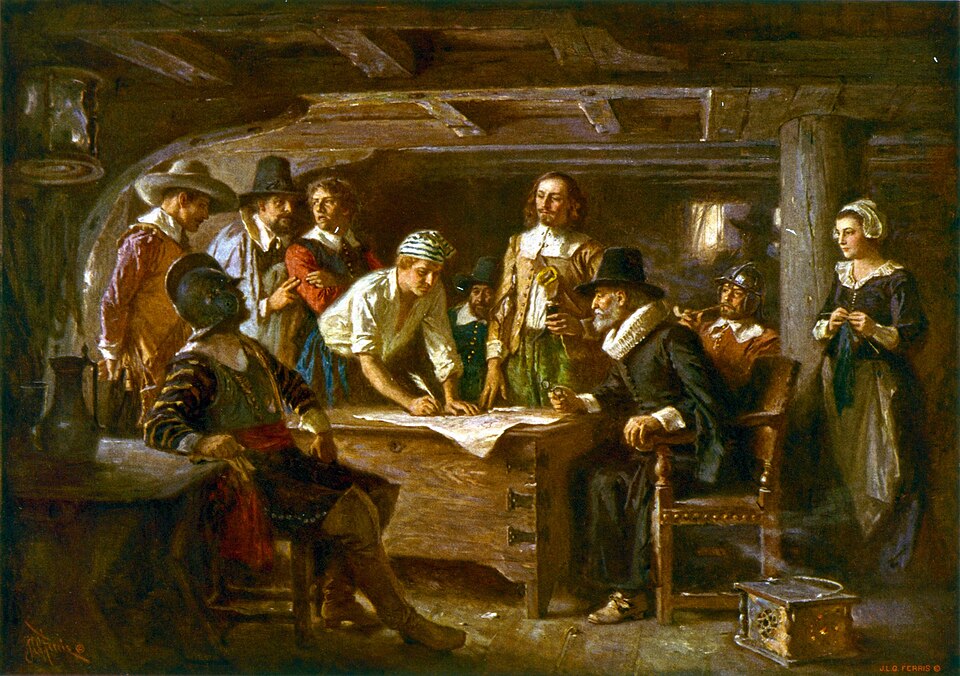

Mayflower Compact 1620 handwritten agreement document

⬅ See all events from 30 September

Spread the word on your favourite platform!

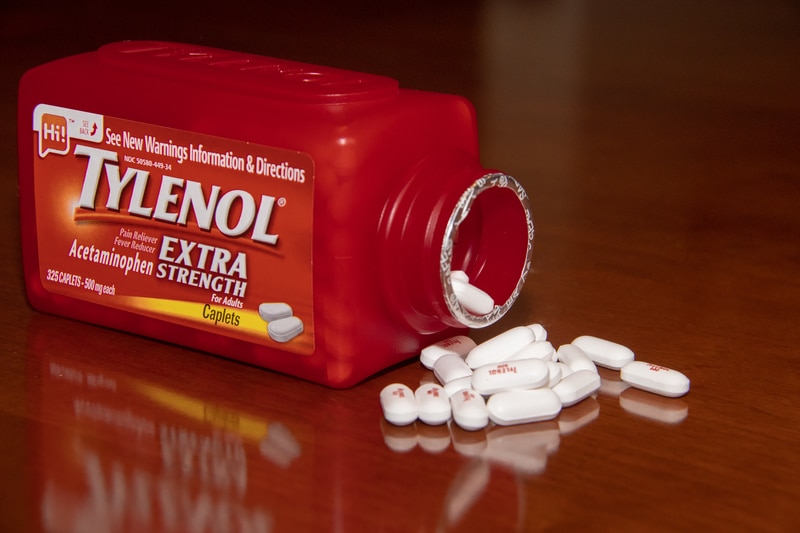
1982: Seven Dead, No One Ever Charged: the Chicago Tylenol Poisonings

On September 29, 1982, 12 year old Mary Kellerman took a Tylenol capsule for a cold and died within hours. Within two days six more people in the Chicago area died the same way, including three members of a single family, the Januses, who had unknowingly shared capsules from the same tainted batch.

Someone had opened bottles on store shelves, replaced the medicine inside with potassium cyanide, and resealed them for unsuspecting buyers to find. No poisoner was ever caught. A man named James W. Lewis was convicted of extortion after writing to the manufacturer claiming responsibility and demanding a million dollars to stop the deaths, but he later insisted the letter was a bluff, and investigators could never tie him to the actual killings.

The case remains unsolved to this day, but it changed how medicine is sold worldwide, ending loose powder capsules and ushering in the tamper proof seals now standard on every bottle.

Capsules of Tylenol Pain Killer. A container of Tylenol tablets pain killer. | ID 207734574 © Arne Beruldsen | Dreamstime.com
ID 207734574 © Arne Beruldsen | Dreamstime.com

⬅ See all events from 29 September

Spread the word on your favourite platform!

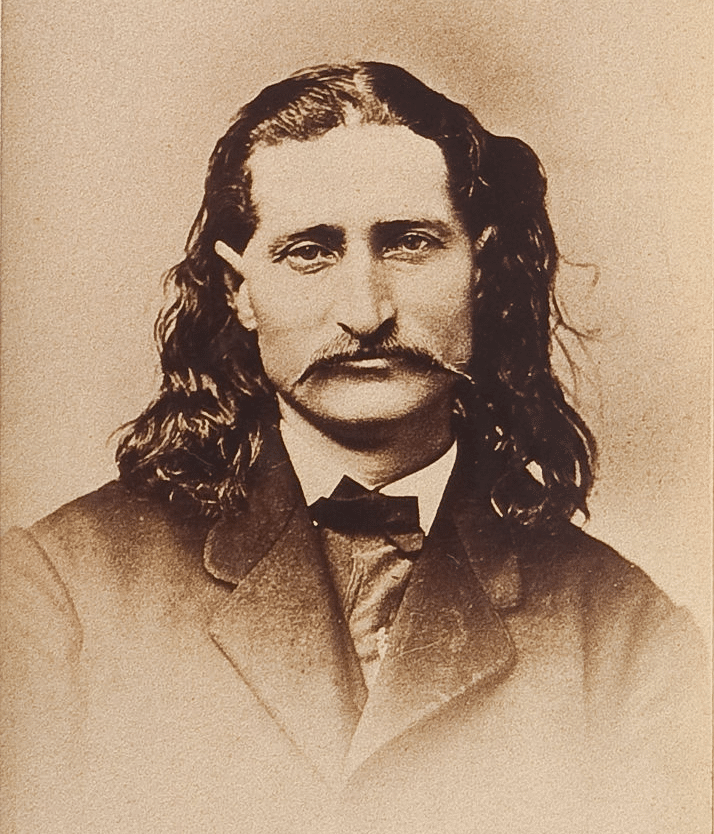
1869: Wild Bill Hickok Shoots Cowboy Dead During Saloon Disturbance

At about one o’clock on the morning of 27 September 1869, Sheriff “Wild Bill” Hickok and his deputy responded to a disturbance at John Bitter’s Beer Saloon in Hays City, Kansas. A cowboy named Samuel Strawhun and several drunken companions were reportedly damaging the saloon. During the confrontation, Strawhun made remarks against Hickok, who shot him through the head, killing him.

Hickok maintained that he had been trying to restore order. Despite conflicting witness accounts, a jury at the coroner’s inquest ruled the shooting justifiable. Strawhun was the second man Hickok had killed during his first month as sheriff.

Sepia portrait of Wild Bill Hickok

⬅ See all events from 27 September

Spread the word on your favourite platform!

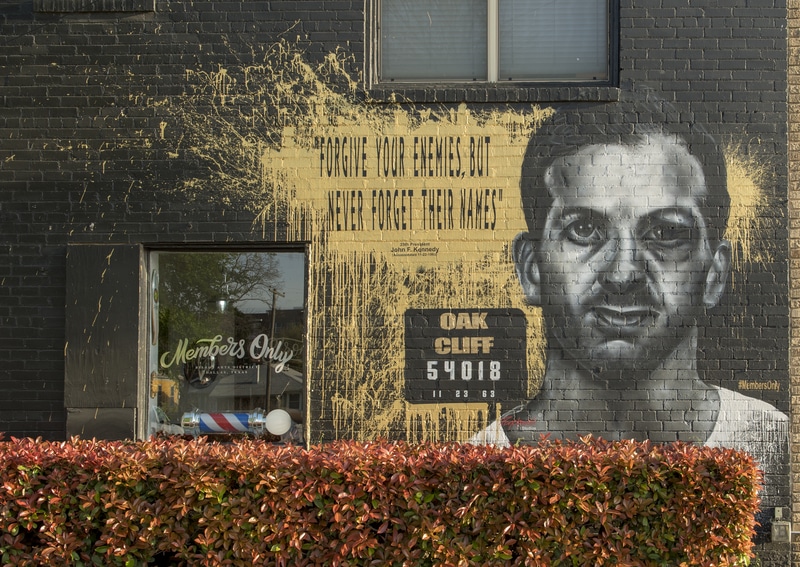
1964: The Warren Commission Declares Lee Harvey Oswald the Lone Gunman in the Kennedy Assassination

On September 27, 1964, the Warren Commission delivered its report on the assassination of President John F. Kennedy, concluding after a ten month inquiry that Lee Harvey Oswald acted alone in firing the shots that killed the president in Dallas on November 22, 1963.

The commission, chaired by Chief Justice Earl Warren and formed by executive order of President Lyndon Johnson, found no evidence of a conspiracy, foreign or domestic, and determined that Jack Ruby likewise acted alone when he shot Oswald dead two days after the assassination while Oswald was in police custody.

The report’s single bullet theory, used to explain the wounds suffered by both Kennedy and Texas Governor John Connally from one shot, became the most disputed element of the findings and fueled decades of public skepticism and rival conspiracy theories that persist to this day.

Lee Harvey Oswald Mural, Bishop Arts District, Dallas, Texas. Pictured is a mural on the side of the Members Only barber shop in the Bishop Arts District, Dallas, Texas. It features Lee Harvey Oswald, the man who assassinated president John F. Kennedy on November 22, 1963. He was arrested a short time later in the Texas Movie Theatre in Oak Cliff. It was painted by renowned Dallas muralist, Theo Ponchaveli. The Bishop Arts District is a small shopping and entertainment district in north Oak Cliff, immediately southwest of Downtown Dallas. It was originally developed as warehouses and shops in the 1920s. | ID 112938931 © David Pillow | Dreamstime.com
ID 112938931 © David Pillow | Dreamstime.com

⬅ See all events from 27 September

Spread the word on your favourite platform!
On This Day in True Crime History

Subscribe to Dark Stories

True crime stories, dark history and tour news, straight to your inbox.