Paul Avery had spent months covering the unidentified killer terrorising Northern California for the San Francisco Chronicle, turning his byline into the public face of the investigation. That attention made him a target of the very man he was writing about.
On 27 October 1970, the Zodiac Killer sent a letter addressed directly to Avery, taunting the journalist for the coverage that had made his name synonymous with the case. The killer was never identified, and the letter remains one of the eeriest pieces of correspondence in a case still unsolved more than half a century later.
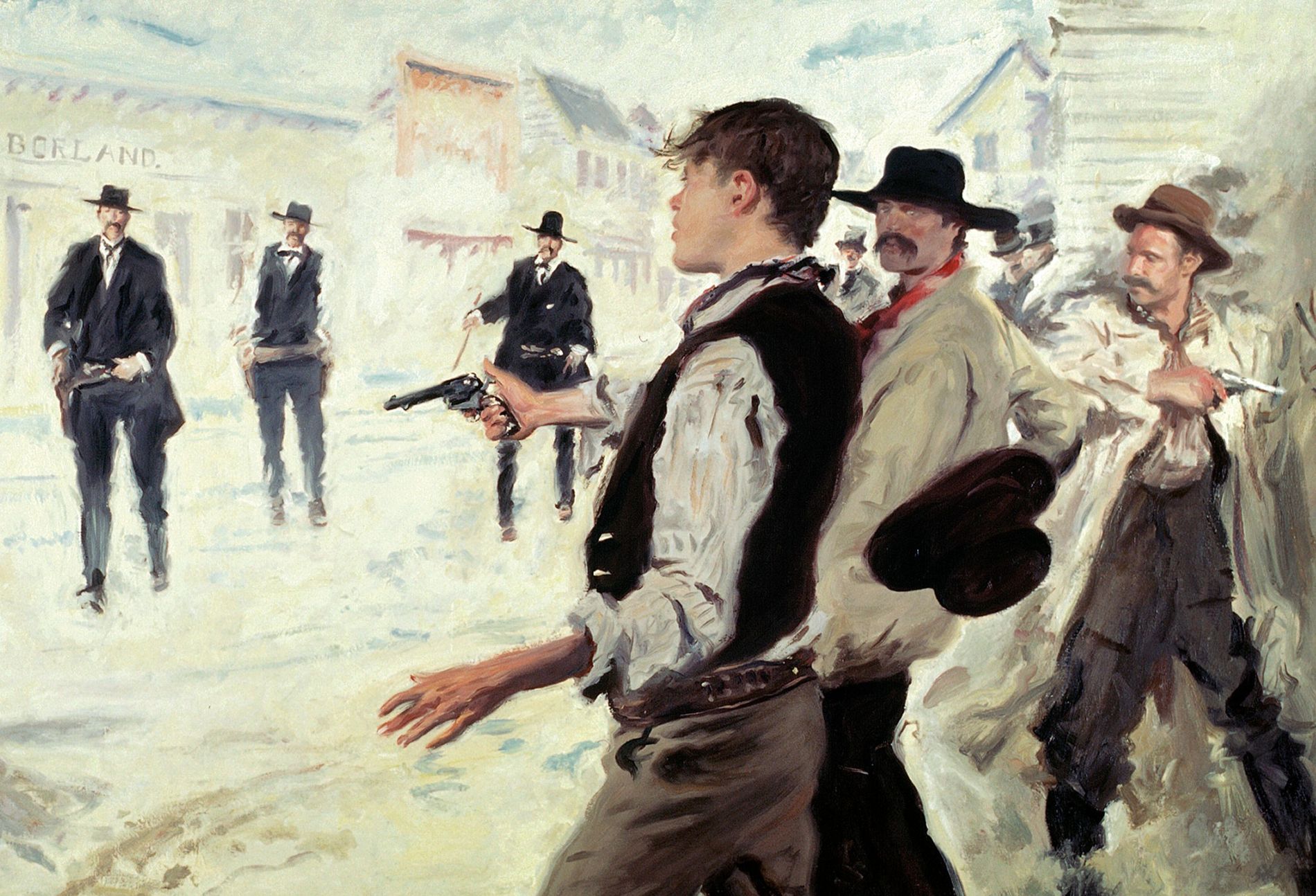
The feud between the Earp brothers and the Clanton-McLaury outfit had been building for months over cattle rustling, stagecoach robberies and bad blood on the streets of Tombstone, Arizona Territory. It ended in a vacant lot behind the O.K. Corral on this day in 1881, when Wyatt, Virgil and Morgan Earp, backed by the gambler and gunfighter Doc Holliday, walked down to disarm a group of armed men they accused of flouting the town's gun ban.
What followed lasted less than thirty seconds. Around thirty shots were fired at close range, leaving Tom McLaury, Frank McLaury and Billy Clanton dead in the dirt. Virgil and Morgan Earp were both wounded but survived, and the shootout became the most mythologised gun battle of the American West, replayed in films and folklore ever since.
Albert Anastasia had spent two decades building a reputation as the most feared man in organised crime, running Murder, Inc., the Mafia's contract-killing squad blamed for thousands of unsolved deaths, which earned him the nickname the Lord High Executioner. By the mid-1950s he had clawed his way to boss of his own crime family, but his brutal, unpredictable style had made him more enemies than allies.
On 25 October 1957, Anastasia settled into the barber's chair at a Manhattan hotel for a shave. His driver had parked the car and stepped outside, leaving him unguarded. Two gunmen with scarves hiding their faces burst in, shoved the barber aside and opened fire, chasing Anastasia as he staggered into the mirror before he fell dead. No one was ever charged, though a rival mobster later boasted to an associate, "You can just call the five of us the barbershop quintet."
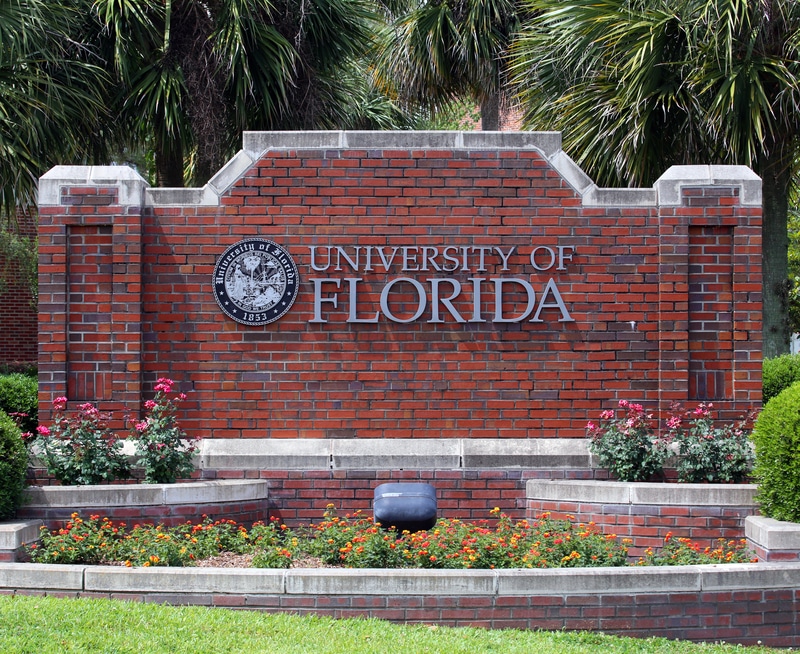
Danny Rolling earned the name the Gainesville Ripper after a four day rampage through student housing near the University of Florida in August 1990 left five young people dead. He mutilated and deliberately posed his victims, severing one woman's head and placing it to face anyone who walked into the room. Police initially chased the wrong man, a troubled student named Edward Humphrey, whose grandmother collapsed and died on her own doorstep while fending off a reporter during the hunt.
Rolling later claimed an alter personality called Gemini had driven him to kill, a story investigators quickly dismissed after learning he had watched a film featuring a killer of that exact name days earlier. He pleaded guilty before trial and was sentenced to death. On this day in 2006 he was executed by lethal injection at Florida State Prison, having eaten a last meal of lobster tail and sung a gospel hymn.
Shortly before his execution Rolling handed authorities a written confession admitting to an earlier unsolved triple murder in Shreveport, Louisiana, but made no final statement on the gurney itself.