1876: Wild Bill Hickok Shot Dead at the Poker Table in Deadwood

James Butler Hickok, known as Wild Bill Hickok, was shot and killed on August 2, 1876, while playing poker at a saloon in Deadwood, Dakota Territory. The killer was Jack McCall, an unsuccessful gambler who approached from behind and fired a single shot. Hickok, 39, had built a formidable reputation as a frontier lawman, Union army scout, marksman, and showman, though much of his legend rested on exaggeration, including his own.

The cards Hickok held at the moment of his death, two pairs of black aces and eights, passed into folklore as the dead man's hand. McCall was initially acquitted but later retried, convicted, and hanged. Hickok remains one of the most mythologised figures of the American Old West.
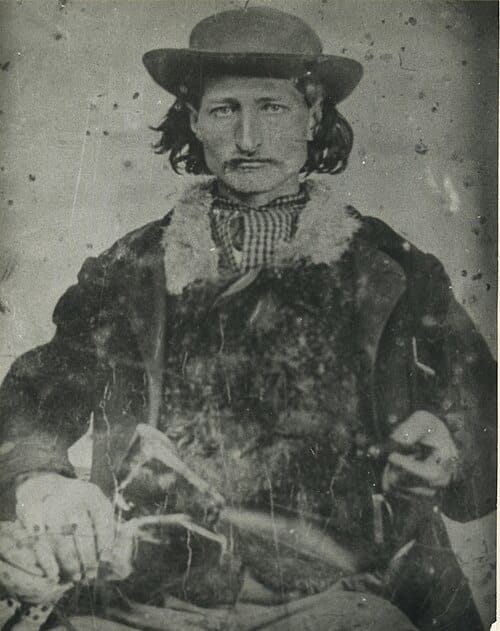

Portrait photograph of James Hickok

⬅ See all events from 2 August

Spread the word on your favourite platform!

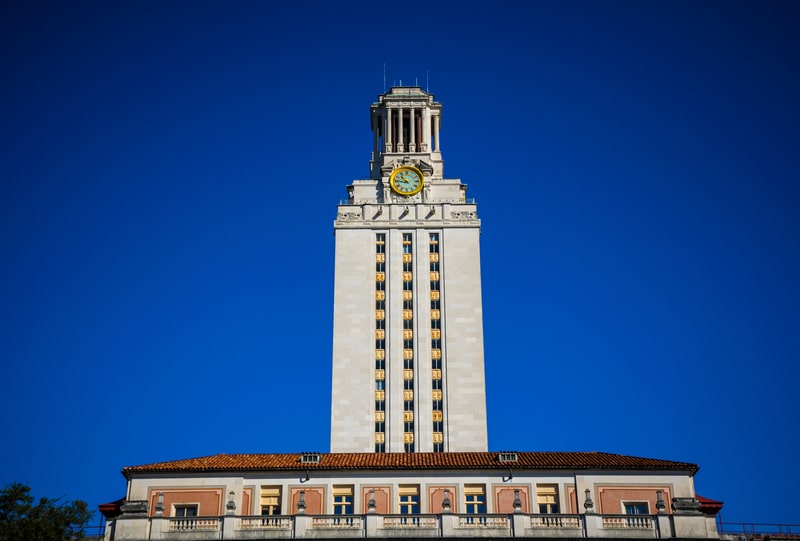
1966: Charles Whitman Opens Fire from the Texas Tower, Killing 17 in Austin

On August 1, 1966, Charles Joseph Whitman, a former Marine and engineering student at the University of Texas at Austin, killed his mother and wife the night before, then armed himself with rifles and climbed to the 28th-floor observation deck of the campus clock tower. For 96 minutes he fired at random pedestrians below, killing eleven and wounding 31, before Austin police shot him dead. Three more had been killed inside the building on his way up.

Whitman had sought psychiatric help in the months before the attack, reporting violent ideations, severe headaches, and episodes of uncontrollable rage. A posthumous autopsy found a glioblastoma multiforme brain tumor pressing on his amygdala, sparking lasting debate about neurological contributions to his behaviour. The attack, one of the first mass shootings to receive widespread national media coverage, is widely credited with driving the creation of SWAT teams across the United States.

UT tower clock tower on university campus under blue sky

⬅ See all events from 1 August

Spread the word on your favourite platform!

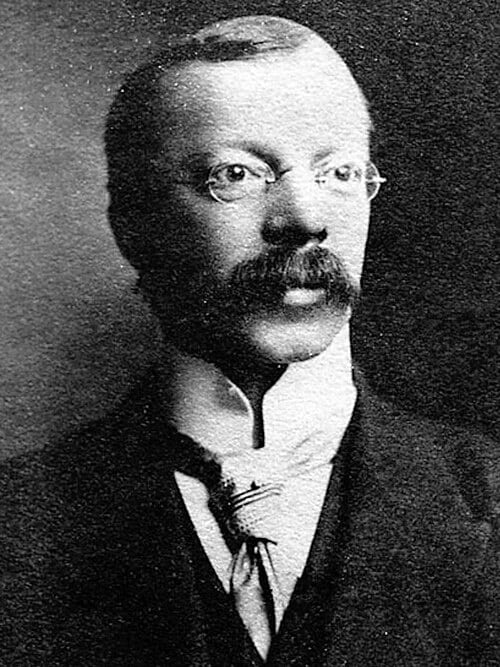
1910: Dr Crippen Captured at Sea, the First Fugitive Caught by Wireless Telegraph

American homeopath Hawley Harvey Crippen became one of history's most notorious wife-murderers when his second wife, Cora, vanished after a dinner party at their home in Holloway, London, on the night of 31 January 1910. Crippen claimed she had returned to the United States and later died there, but Scotland Yard grew suspicious when his mistress, Ethel Le Neve, was seen openly wearing Cora's jewellery. When police dug up the cellar at 39 Hilldrop Crescent, they found human remains.

Crippen and Le Neve fled aboard the SS Montrose bound for Canada. The ship's captain, recognising the fugitives, used the newly available wireless telegraph to alert Scotland Yard. Chief Inspector Walter Dew boarded a faster ship, intercepted the Montrose, and arrested Crippen mid-Atlantic on 31 July 1910, making him the first criminal in history captured with the aid of wireless telegraphy. Crippen was returned to London, tried at the Old Bailey, convicted of murder, and hanged at Pentonville Prison on 23 November 1910.

Portrait of Dr Crippen early 1900s suspect in murder case

⬅ See all events from 31 July

Spread the word on your favourite platform!

1977: Son of Sam Shoots Final Victims in a Parked Car in Brooklyn

On the night of July 31, 1977, Stacy Moskowitz and Robert Violante, both 20, were shot while sitting in a parked car in Bath Beach, Brooklyn, on their first date. David Berkowitz, the serial killer known as the Son of Sam, fired four rounds, striking both in the head. Moskowitz died from her injuries; Violante lost his left eye. It was the final shooting in a terror campaign that had gripped New York City since 1975, leaving six dead and eleven wounded. Armed with a .44 caliber Bulldog revolver, Berkowitz had taunted police with letters promising further crimes, triggering one of the largest manhunts in the city's history. A parking ticket proved the vital clue to his arrest on August 10, 1977. He pleaded guilty to second-degree murder and was sentenced to six concurrent life sentences.

⬅ See all events from 31 July

Spread the word on your favourite platform!
On This Day in True Crime History

Subscribe to Dark Stories

True crime stories, dark history and tour news, straight to your inbox.