1974: Nixon Resigns: The President Who Fell on the Watergate Scandal

On August 9, 1974, Richard Nixon became the first United States president to resign from office, undone by a scandal that began with a bungled burglary. On June 17, 1972, operatives linked to his re-election campaign were caught breaking into the Democratic National Committee headquarters at Washington D.C.'s Watergate complex, planting listening devices and stealing documents. Reporters Bob Woodward and Carl Bernstein, guided by the anonymous source 'Deep Throat', exposed a vast White House political espionage program illegally funded by campaign donations.

Nixon's administration destroyed evidence, obstructed investigators, and paid hush money to the burglars. The release of the 'Smoking Gun' tape proved Nixon had ordered the CIA to block the FBI's investigation. Facing near-certain impeachment for obstruction of justice, abuse of power, and contempt of Congress, Nixon resigned rather than face removal. He was later pardoned by his successor, Gerald Ford. In total, 69 people were charged over Watergate; most pleaded guilty or were convicted.
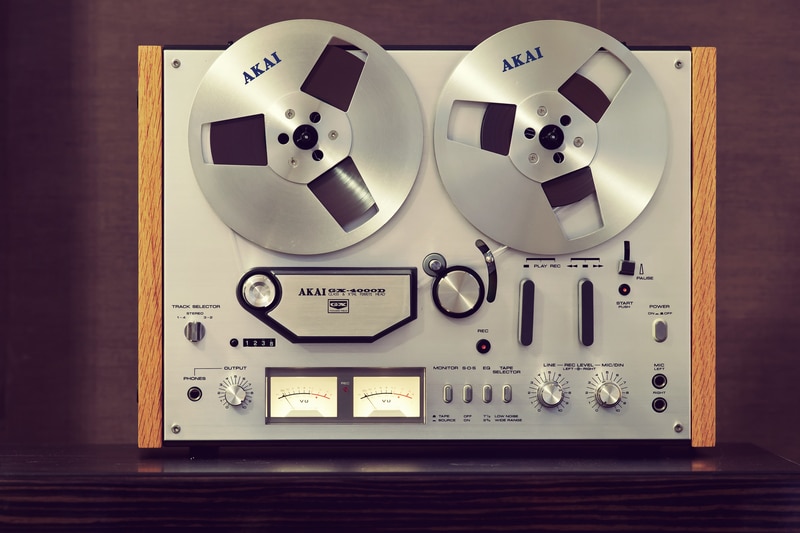

Ontario, Canada - December 22 2017: Vintage Open Reel-to-Reel Ta. Vintage Open Reel-to-Reel Tape Deck Stereo Recorder with VU meters and knobs | ID 113751494 © Viktorus | Dreamstime.com
ID 113751494 © Viktorus | Dreamstime.com

⬅ See all events from 9 August

Spread the word on your favourite platform!

1890: William Kemmler: The First Man Executed by Electric Chair

William Kemmler, a vegetable peddler from the slums of Buffalo, New York, became the first person in history executed by electric chair. On March 29, 1889, in the grip of a drunken rage, he accused his common-law wife Matilda 'Tillie' Ziegler of theft and betrayal, retrieved a hatchet from the barn, and beat her to death. He then walked to a neighbour's house and announced what he had done.

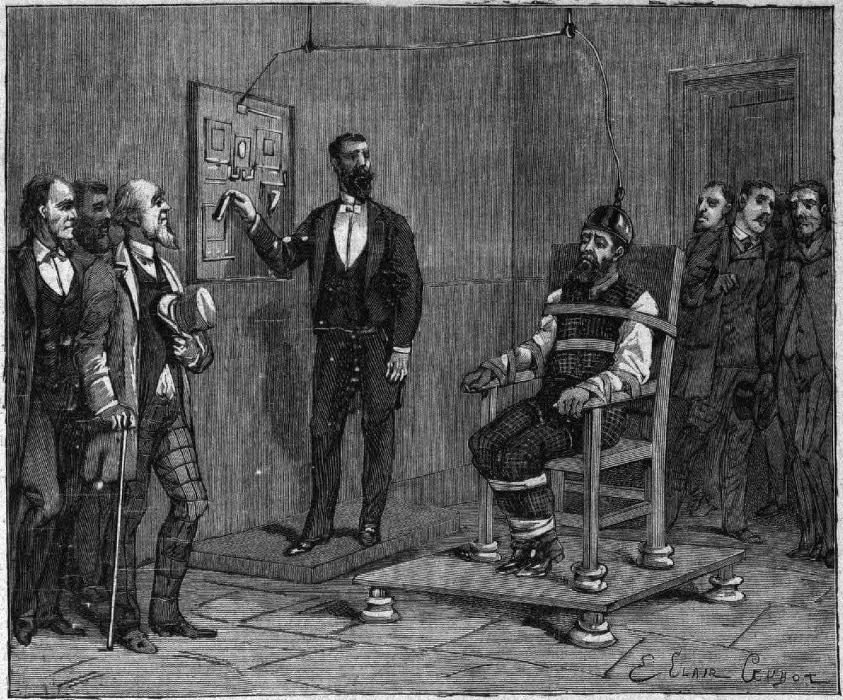
Convicted of first-degree murder in May 1889 and sentenced to death, Kemmler was chosen as the inaugural test of New York's new electrocution law, which had replaced hanging on January 1, 1888. His execution at Auburn Prison on August 6, 1890 did not go smoothly. Developers including George Westinghouse had fought to block use of their technology for executions, and legal appeals argued the chair violated the Eighth Amendment's ban on cruel and unusual punishment. The appeals failed, and Kemmler died in the chair, though witnesses reported the process was prolonged and deeply disturbing.

Illustration of a man executed by electrocution in electric chair

⬅ See all events from 6 August

Spread the word on your favourite platform!

1892: The Axe Murders That Made Lizzie Borden Infamous

On the morning of 4 August 1892, Andrew Borden and his wife Abby were found hacked to death in their home in Fall River, Massachusetts. Andrew, a self-made millionaire with an estate valued at $300,000, had built his fortune through furniture, property, and banking, yet kept a famously frugal household. Suspicion fell almost immediately on his younger daughter, Lizzie, a churchgoing Sunday school teacher and temperance advocate.

Lizzie Borden was tried for the axe murders of her father and stepmother and acquitted, with no one else ever charged. She spent the rest of her life in Fall River, dying of pneumonia in 1927 at age 66. The case never left the public imagination, inspiring films, plays, literary works, and one of the most enduring folk rhymes in American criminal history.

Portrait of Lizzie Borden 1890

⬅ See all events from 4 August

Spread the word on your favourite platform!

1807: Aaron Burr on Trial for Plotting the Secession of New England

Aaron Burr, former Vice President of the United States, stood trial beginning 3 August 1807, accused of conspiring to engineer the secession of New England and carve out an independent empire in the American west. The charges grew from years of suspicion surrounding his political ambitions and alleged dealings with foreign powers after his catastrophic fall from grace following the fatal duel with Alexander Hamilton in 1804.

The trial, presided over by Chief Justice John Marshall in Richmond, Virginia, became one of the most closely watched legal proceedings in early American history. Burr was ultimately acquitted on the treason charge, Marshall ruling that the prosecution had failed to prove an overt act of treason as required by the Constitution.

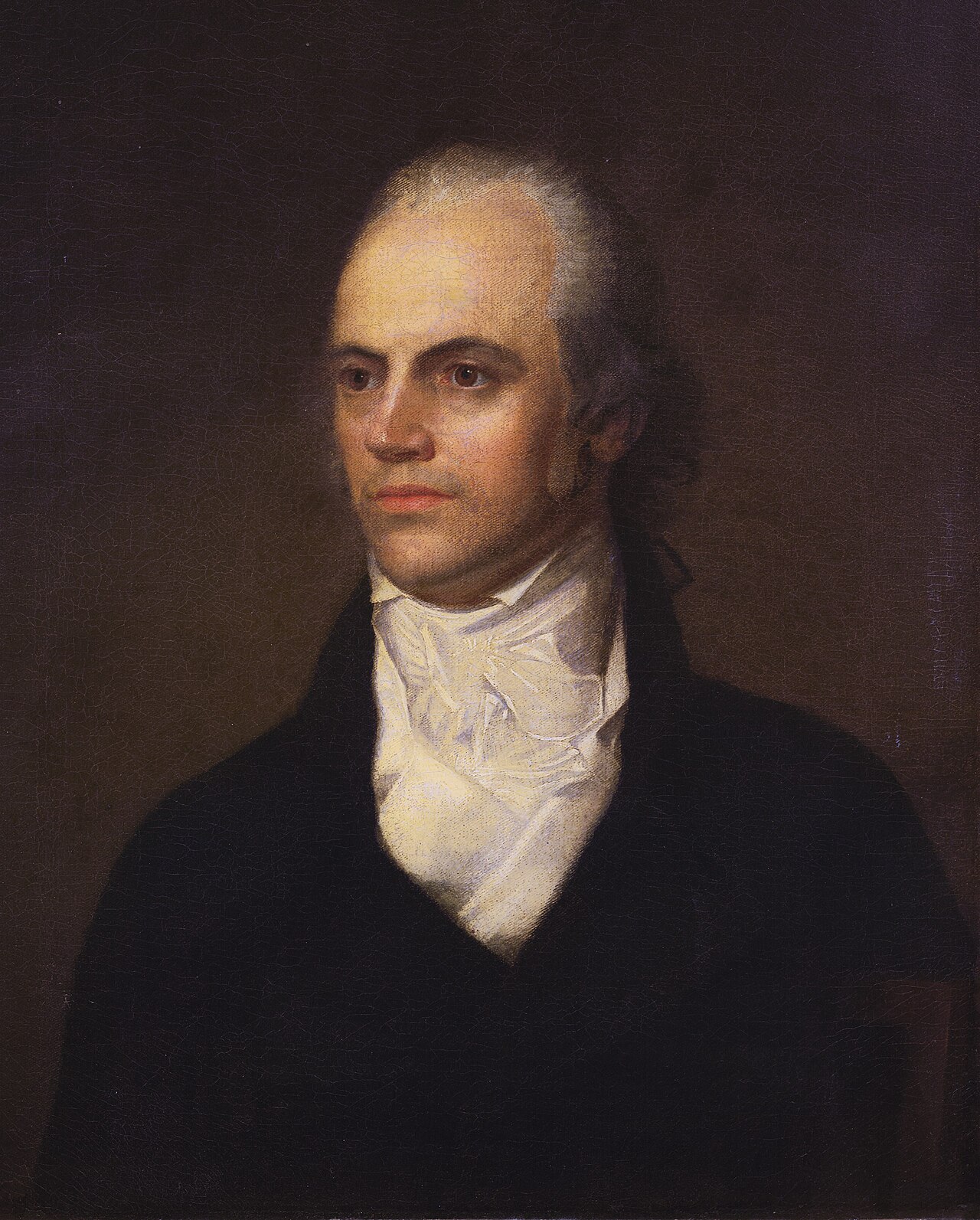
1803 Painting of Aaron Burr

⬅ See all events from 3 August

Spread the word on your favourite platform!
On This Day in True Crime History

Subscribe to Dark Stories

True crime stories, dark history and tour news, straight to your inbox.