1866: “I've Done Away With the Kangaroo”: A Butcher's Callous Boast Led Police to His Door in Sydney

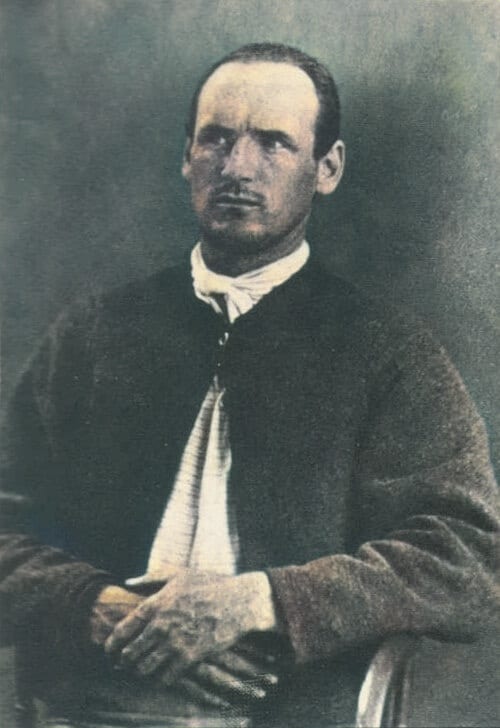
William Henry Scott, a butcher working in Sydney, was arrested on 10 October 1866 after police traced a bloodstained axe and a scrap of twilled calico he had left in storage with his former landlady, Mrs Janet Orr. The cloth matched a fragment found wrapped around the charred, headless remains of a woman dug up weeks earlier on waste ground off Sussex Street.

The breakthrough led detectives to Scott’s former workmates, who recalled his offhand confession in the days after the killing: that he had “done away with the Kangaroo”, their nickname for the woman who used to wait outside the shop for him each evening. Tried and convicted despite his furious denials, Scott was hanged at Darlinghurst Gaol in March 1867.

On the scaffold he still insisted, “I’ve never murdered man, woman or child in my life”, before forgiving the witnesses he blamed for his conviction.
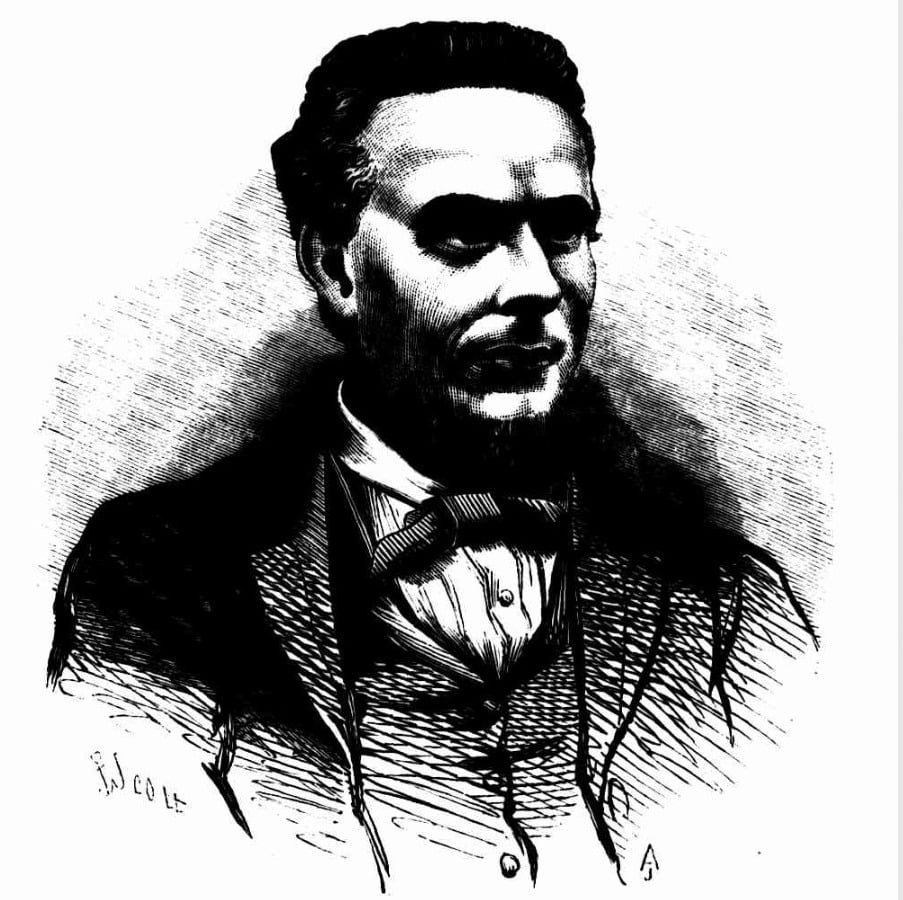

William Henry Scott under sentence of death 1867

⬅ See all events from 10 October

Spread the word on your favourite platform!

1960: Caught by a Picnic Blanket: Australia’s First Kidnap-for-Ransom Killer Arrested at Colombo

Eight-year-old Graeme Thorne was snatched walking to school in Sydney in 1960, just a day after his family’s lottery win made headlines. Six weeks later his body was found wrapped in a tartan picnic blanket on vacant land at Seaforth, still in his school uniform, gagged and bound with string.

Forensic scientists traced the blanket to one of only 3,000 ever woven at an Onkaparinga mill, then matched rare tree pollen and pink mortar scraped from the body to a single property at Clontarf, once home to a blue Ford, a Pekingese dog and a blonde-haired wife. By the time police reached the house, its occupant, Hungarian migrant Stephen Bradley, had already sailed for London with his family aboard the SS Himalaya. Two Sydney detectives were waiting for him when the ship docked at Colombo, and he was brought back to face extradition and trial.

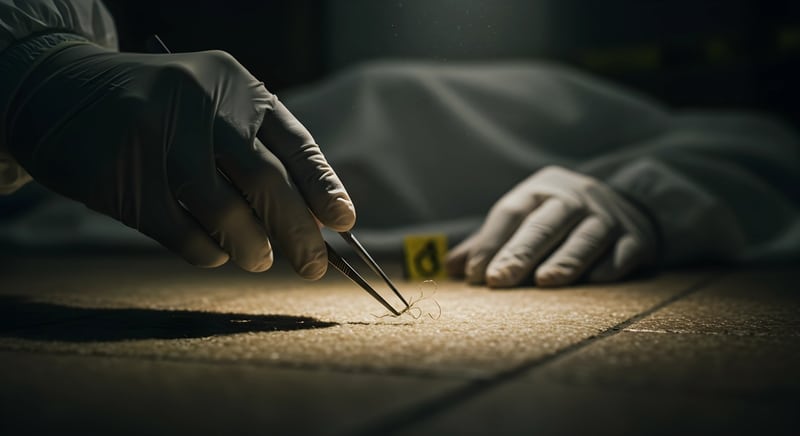
Forensic hair evidence collected at crime scene

⬅ See all events from 10 October

Spread the word on your favourite platform!

1959: Through a Chapel Ventilator: the Sydney Jailbreak That Triggered Australia’s Biggest Manhunt

Kevin Simmonds and fellow inmate Leslie Newcombe escaped Sydney‘s Long Bay jail on 9 October 1959 by squeezing through a ventilator in an old chapel while prisoners watched a film. The next day they killed prison guard Cecil Mills at Emu Plains Prison Farm and fled with his gun, triggering what became the biggest manhunt in Australian history.

Newcombe was caught within a fortnight, but Simmonds evaded hundreds of armed police, tracker dogs and a helicopter for more than five weeks, tying up two rangers and stealing their truck along the way. Detective Sergeant Ray Kelly, nicknamed ‘Gunner’ for his record of shooting suspects, finally ran him down near Mulbring on 15 November, by which point crowds were cheering him at police stations as a folk hero.

A jury convicted both men of manslaughter rather than murder, and Simmonds was sent to the ‘intractables’ wing of Grafton gaol. Six years of brutal treatment there left him a vacant, self-harming shell of the man who had outrun the state; he was found hanged in his cell in 1966.

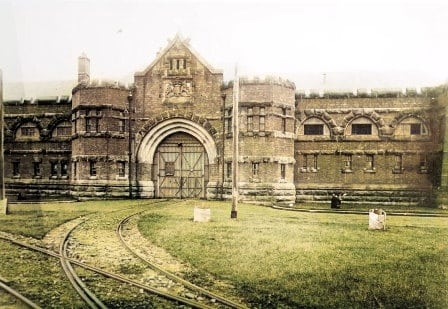
Long Bay Gaol Entrance (circa 1900)

⬅ See all events from 9 October

Spread the word on your favourite platform!

1794: He Survived a Notorious Convict Voyage to Sydney, Then Was Hanged for Burglary

John Bevan arrived in Sydney aboard the Pitt in February 1792, after a gruelling eight-month voyage during which 29 convicts died, and many others arrived sick.

By 1794, Bevan had built a reputation for trouble in the colony and was caught in the act of breaking into the Sydney home of William Fielder. The case against him was considered overwhelming, and little time was lost: Bevan was convicted of burglary, sentenced to death and hanged on 6 October 1794.

He was buried at the old Sydney burial ground, little more than two and a half years after surviving the voyage that had brought him to New South Wales.

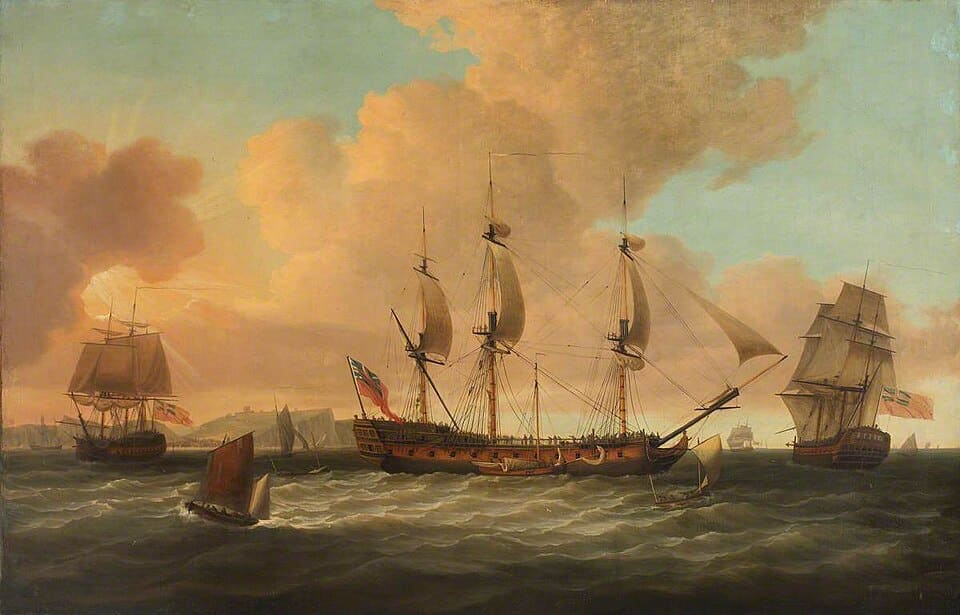
Painting of the East Indiaman Pitt and other sailing ships

⬅ See all events from 6 October

Spread the word on your favourite platform!
On This Day in True Crime History

Subscribe to Dark Stories

True crime stories, dark history and tour news, straight to your inbox.