1920: A 20-Year Disguise Unravels: Eugenia Falleni Convicted of Murdering the Wife Who Never Knew

For about two decades, Eugenia Falleni lived as a man named Harry Crawford, working ordinary jobs and marrying a woman named Annie Birkett in 1913 without her ever suspecting the truth. The marriage held until Eight-Hour Day in 1917, when Birkett disappeared; her charred remains were later found in bushland near Lane Cove.

It took police years to connect Crawford to the body and to discover the deeper deception underneath. Tried at the Central Criminal Court in Sydney, Falleni was found guilty of murder and sentenced to death, a sentence later commuted to life imprisonment.
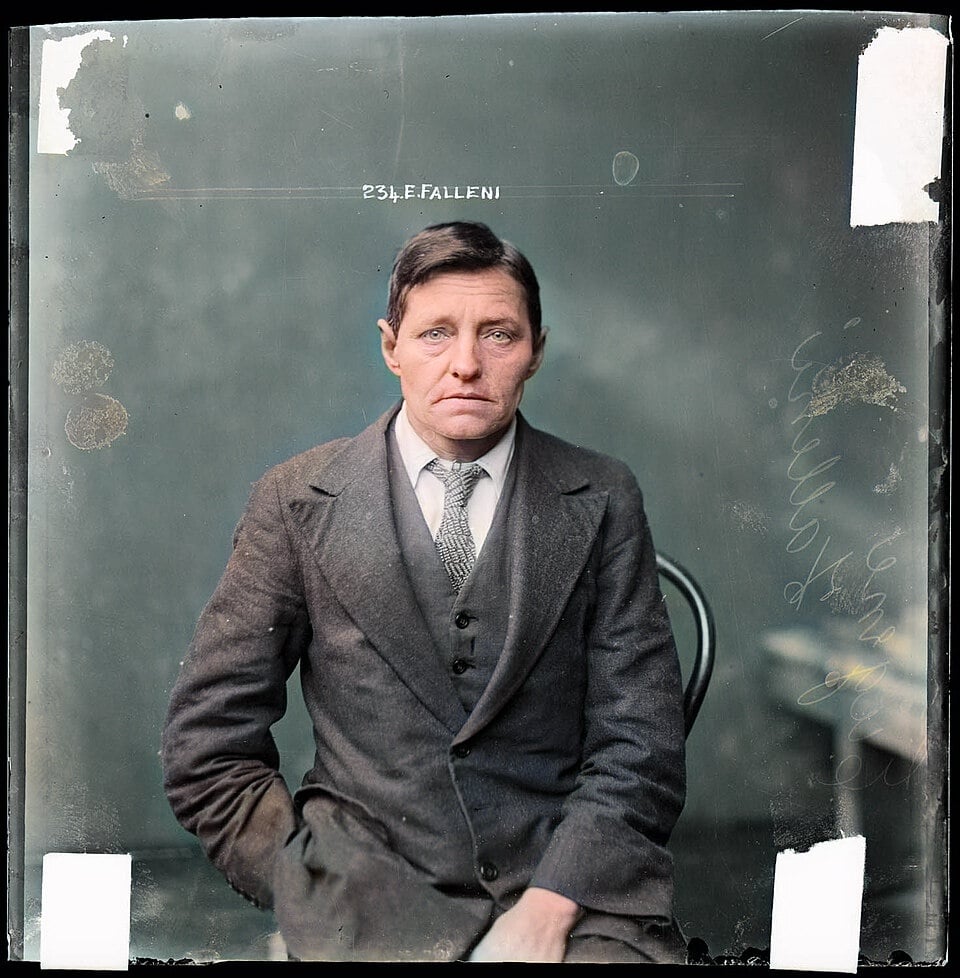

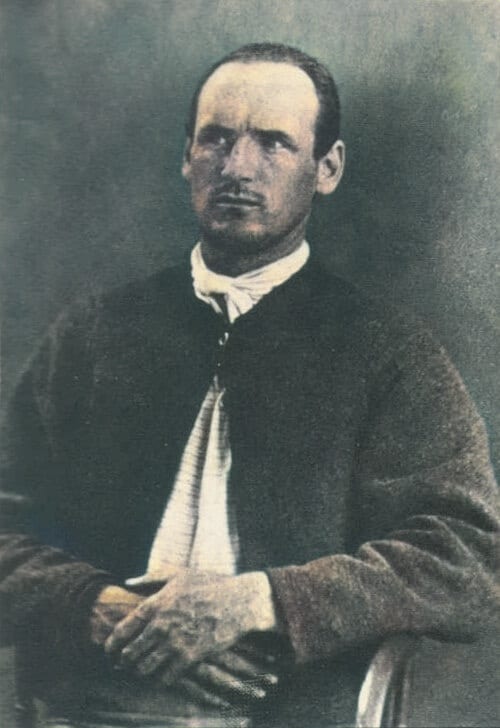
Eugenia Falleni 1920

⬅ See all events from 6 October

Spread the word on your favourite platform!

1960: Aunt Thally Was Still Pouring Tea for Fellow Inmates the Day She Died in Prison

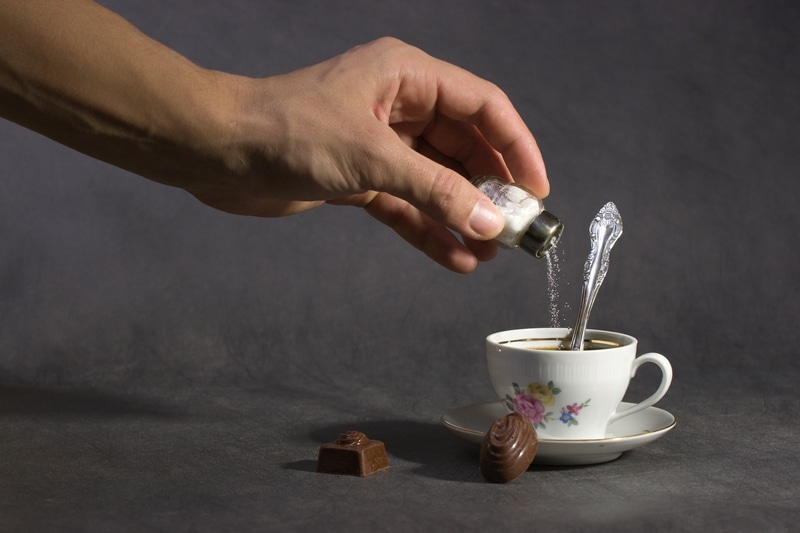
Caroline Grills earned the nickname Aunt Thally for the thallium she slipped into the tea and food of relatives and neighbours, a slow, trusted poisoner convicted in Sydney in 1953 after several deaths in her circle were finally traced back to her cheerful hospitality.

Sentenced to life, she was sent to the State Reformatory for Women, where she settled into prison life with the same warm, motherly manner that had once made her so welcome at other people’s tables. She kept making tea for fellow inmates right up until her death on 6 October 1960.

She never publicly expressed remorse for her crimes, dying as she had lived behind bars: smiling, sociable, and giving no hint of guilt.

Learn to make your own tea.

⬅ See all events from 6 October

Spread the word on your favourite platform!

1895: “I Wonder How Many More Times?”: George Dean Rearrested in a Sydney Poison Case

George Dean had already escaped the gallows once, pardoned after a Royal Commission cast doubt on the poisoning case against his wife, Mary. Then a North Shore chemist named Smith came forward, admitting he had sold Dean arsenic and strychnine after Dean claimed he needed a double dose and two poisons to deal with rats on his property.

On 5 October 1895 detectives approached Dean just as he stepped off his ferry at Sydney‘s Circular Quay, still dressed in his captain’s uniform, and arrested him again. “I wonder how many more times I shall be arrested over this affair,” he remarked, before going with the detectives.

Dean subsequently confessed in writing to poisoning his wife. He was convicted of perjury committed to procure his own acquittal and sentenced to fourteen years, while his former lawyer and others faced charges of conspiring to pervert the course of justice.

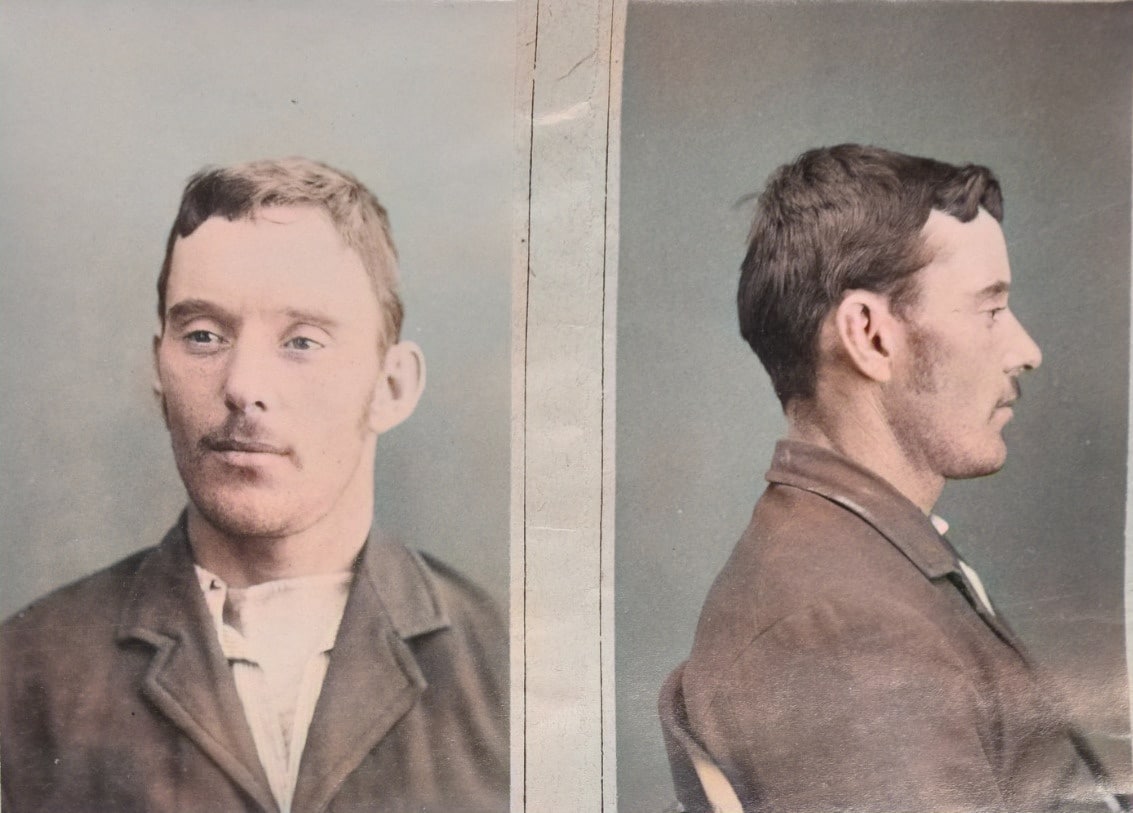
George Dean lemon syrup case. Prison photograph. Credit: Museums of History NSW, State Archives Collection.

⬅ See all events from 5 October

Spread the word on your favourite platform!

1960: Breathing for Seven Hours: The Forensic Test That Disproved a Kidnappers Alibi in the Graeme Thorne Murder

In July 1960, nine-year-old Graeme Thorne was snatched from a street in Sydney‘s Bondi, Australia’s first known kidnap for ransom case, and murdered within a day. His body turned up six weeks later at Seaforth, wrapped in a picnic blanket that would ultimately betray his killer.

Forensic scientists traced the rare blanket through its manufacturer, dyed Pekingese hairs, two uncommon tree species and flecks of pink mortar to a house at Clontarf owned by Hungarian immigrant Stephen Bradley. By the time police called on 3 October, Bradley had already sailed for England; he was arrested when his ship reached Ceylon and extradited to stand trial. He claimed the boy had simply suffocated in his car boot, a story investigators demolished by rigging a breathing mask to the same boot and drawing air from it for seven hours straight.

Bradley pleaded not guilty to murder but admitted the kidnapping and had earlier signed a confession he later retracted. He was sentenced to life imprisonment and died in custody seven years later.

Sydney Opera House under construction in 1963.

⬅ See all events from 3 October

Spread the word on your favourite platform!
On This Day in True Crime History

Subscribe to Dark Stories

True crime stories, dark history and tour news, straight to your inbox.