1974: Nixon Resigns: The President Who Fell on the Watergate Scandal

On August 9, 1974, Richard Nixon became the first United States president to resign from office, undone by a scandal that began with a bungled burglary. On June 17, 1972, operatives linked to his re-election campaign were caught breaking into the Democratic National Committee headquarters at Washington D.C.’s Watergate complex, planting listening devices and stealing documents. Reporters Bob Woodward and Carl Bernstein, guided by the anonymous source ‘Deep Throat’, exposed a vast White House political espionage program illegally funded by campaign donations.

Nixon’s administration destroyed evidence, obstructed investigators, and paid hush money to the burglars. The release of the ‘Smoking Gun’ tape proved Nixon had ordered the CIA to block the FBI’s investigation. Facing near-certain impeachment for obstruction of justice, abuse of power, and contempt of Congress, Nixon resigned rather than face removal. He was later pardoned by his successor, Gerald Ford. In total, 69 people were charged over Watergate; most pleaded guilty or were convicted.


Ontario, Canada - December 22 2017: Vintage Open Reel-to-Reel Ta. Vintage Open Reel-to-Reel Tape Deck Stereo Recorder with VU meters and knobs | ID 113751494 © Viktorus | Dreamstime.com
ID 113751494 © Viktorus | Dreamstime.com

⬅ See all events from 9 August

Spread the word on your favourite platform!

1991: Sir Terence Lewis, Queensland Police Commissioner, Convicted of Corruption

Sir Terence Lewis, Commissioner of the Queensland Police Service from 1976 to 1987, was found guilty on 5 August 1991 of 15 counts of corruption and one of forgery, following the explosive Fitzgerald Inquiry into police misconduct. A District Court jury determined that Lewis had accepted bribes totalling $700,000 to protect brothels, SP bookmakers, illegal casinos, and gaming machine operators. He had been handpicked for the commissioner’s role in 1976 by Premier Joh Bjelke-Petersen, bypassing 122 more senior officers.

Judge Healy sentenced Lewis to the maximum term available: 14 years for corruption and 10 years for forgery, to be served concurrently. Lewis was stripped of his knighthood and two other awards. He continued to protest his innocence and pursued appeals until the last one failed in August 2005.

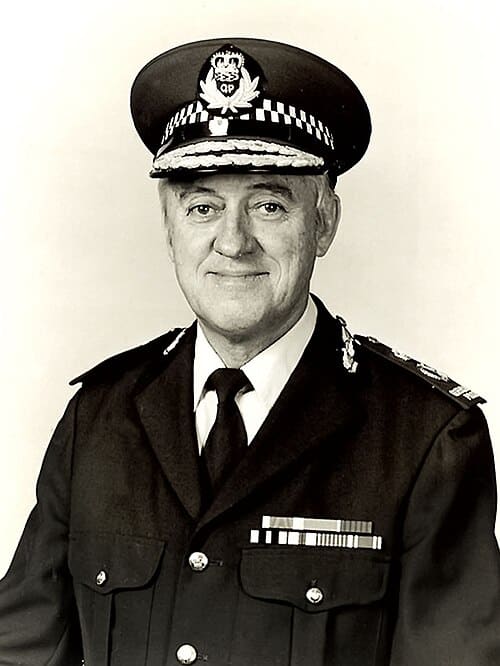
Terence Murray Lewis, Queensland Police Commissioner. © State of Queensland (Queensland Police Service); original photographer unknown. Retouched by Georgfotoart. Wikimedia Commons, CC BY 4.0.

⬅ See all events from 5 August

Spread the word on your favourite platform!

1265: The Murder of Evesham: Simon de Montfort Crushed at the Height of His Power

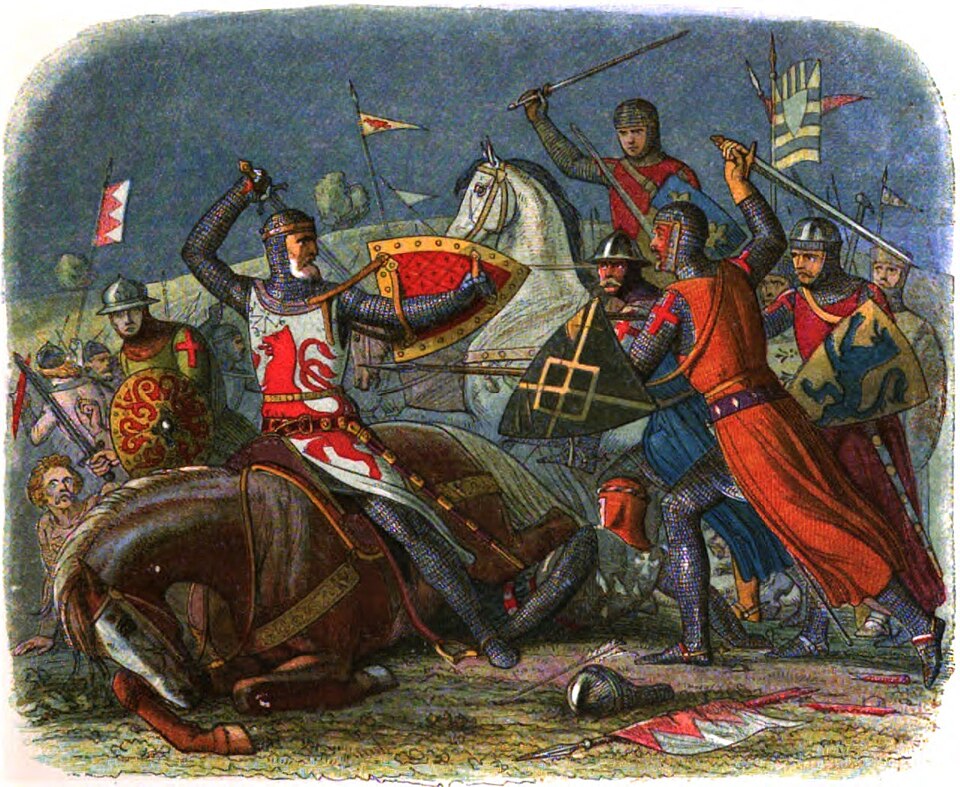
On 4 August 1265, the Battle of Evesham ended the Second Barons’ War in one of medieval England’s most decisive and brutal engagements. Simon de Montfort, Earl of Leicester, had dominated royal government since his victory at Lewes the previous year, holding King Henry III and Prince Edward in captivity. But the defection of key allies and the escape of Prince Edward unravelled his position. Trapped in a loop of the River Avon near Evesham, Worcestershire, outnumbered two to one and deceived by captured banners flown to disguise the approaching royalist army, de Montfort knew his fate. His reported final words: ‘Our bodies are theirs, our souls are God’s.’

The battle was short and merciless. De Montfort was killed and his body mutilated. The contemporary chronicler Robert of Gloucester called it ‘the murder of Evesham, for battle it was none.’ Royal authority was restored, though pockets of resistance persisted until the Dictum of Kenilworth in 1267.

Simon de Montfort, 6th Earl of Leicester, dies in the Battle of Evesham.

⬅ See all events from 4 August

Spread the word on your favourite platform!

1306: The Murder That Ended the Premysl Dynasty

On 4 August 1306, Bohemian King Wenceslas III was stabbed to death in Olomouc, cutting short the reign of a young ruler who had held the crowns of Hungary, Bohemia, and Poland. He was just 16 years old. His death extinguished the male line of the Premysl dynasty, a royal house that had shaped Central Europe since the ninth century.

With no male heir, the dynasty that had produced kings across three kingdoms collapsed in a single moment of violence. The Luxembourg clan seized Bohemia; the Piasts took Poland. The age of Premyslid rule was over.

/
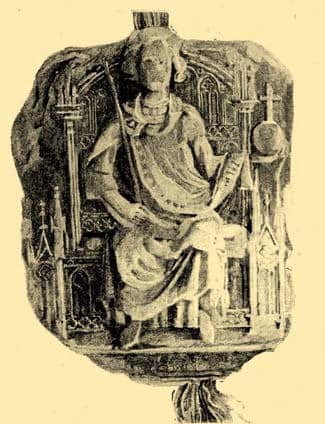
Wenceslas III

⬅ See all events from 4 August

Spread the word on your favourite platform!
On This Day in True Crime History
1794·The First Free Settler Murdered in the Colony: Hanged at Sydney for a Parramatta Stabbing
1826·The Gun That Misfired Twice: Three Bushrangers Hanged Outside Sydney
1873·A Tearful Confession in Custody Cracked the Case: Two Men Hanged at Perth Gaol for Eating their Victim
1889·He Called It an Accident. The Jury Called It Murder: Robert Landells Hanged at Melbourne Gaol
1907·A Doctor Fooled Twice: Martha Rendell and the Second Child to Die of Diphtheria
2002·Shot Dead in His Own Bed: A Melbourne Gangland Killing Blamed on a Friend
More Crime On This Day →

Subscribe to Dark Stories

True crime stories, dark history and tour news, straight to your inbox.