1546: Scholar and Printer Etienne Dolet Hanged and Burned for Heresy in Paris

Etienne Dolet, born in Orleans in 1509, was a French scholar, translator and printer whose humanist convictions put him on a collision course with the French Inquisition. Educated at Padua and Toulouse, he built a reputation as a gifted orator and a defiant critic of religious orthodoxy. His publications in Lyon drew the close attention of inquisitorial authorities, and after several periods of imprisonment, the combined forces of the parlement of Paris, the Inquisition, and the Sorbonne secured his conviction for heresy, blasphemy and sedition.

On 3 August 1546, his 37th birthday, Dolet was hanged and burned alongside his books on the Place Maubert in Paris. He is remembered today as a martyr for freedom of speech and freedom of the press.
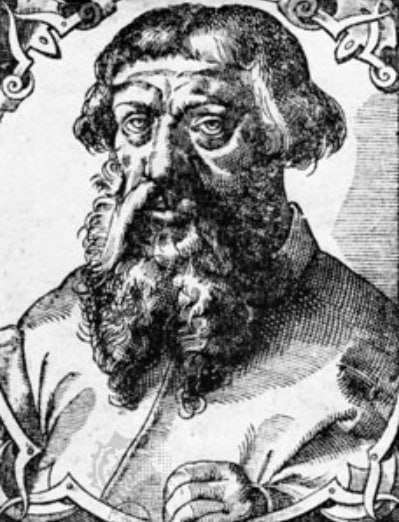

16th century engraving portrait of Etienne Dolet

⬅ See all events from 3 August

Spread the word on your favourite platform!

1807: Aaron Burr on Trial for Plotting the Secession of New England

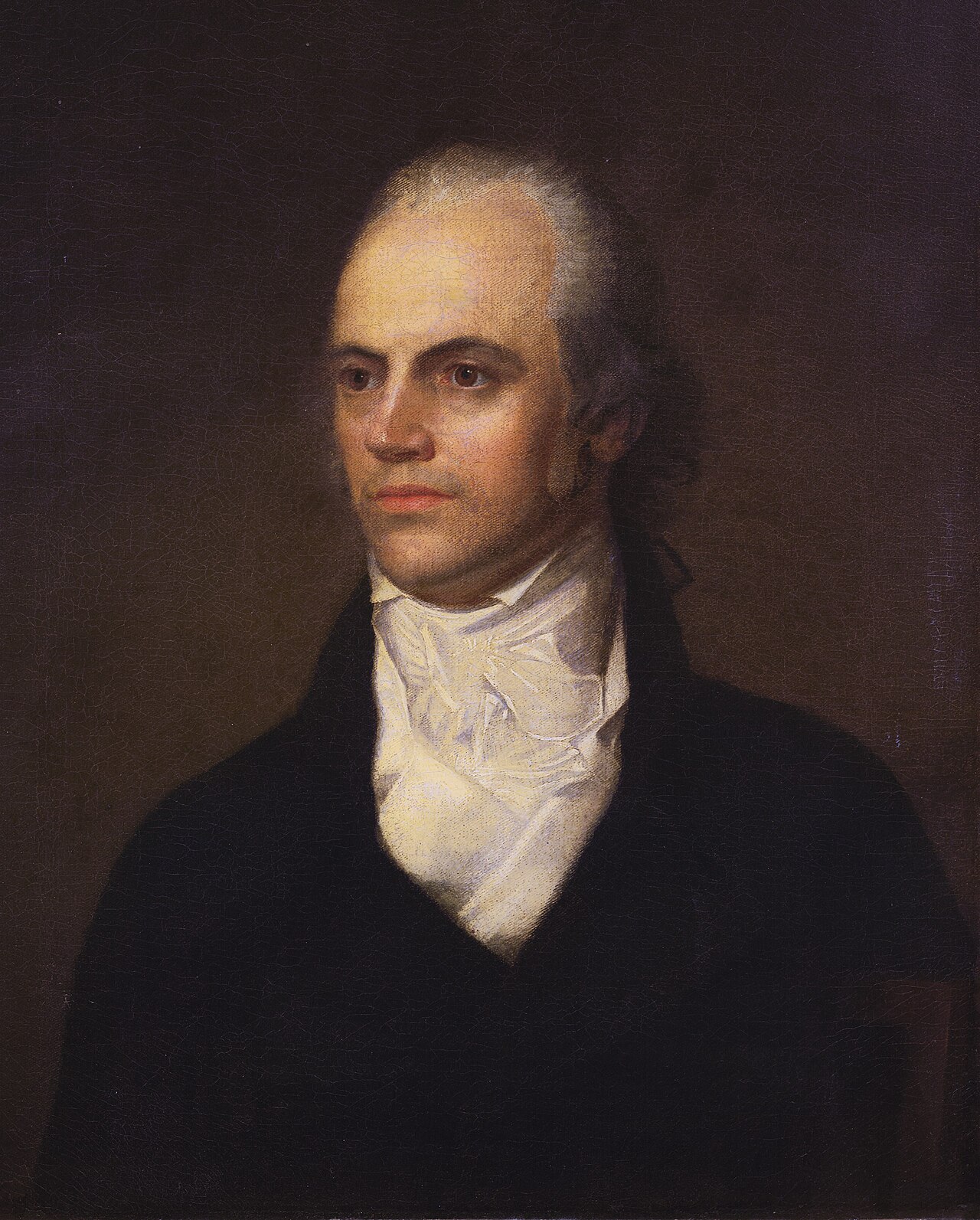
Aaron Burr, former Vice President of the United States, stood trial beginning 3 August 1807, accused of conspiring to engineer the secession of New England and carve out an independent empire in the American west. The charges grew from years of suspicion surrounding his political ambitions and alleged dealings with foreign powers after his catastrophic fall from grace following the fatal duel with Alexander Hamilton in 1804.

The trial, presided over by Chief Justice John Marshall in Richmond, Virginia, became one of the most closely watched legal proceedings in early American history. Burr was ultimately acquitted on the treason charge, Marshall ruling that the prosecution had failed to prove an overt act of treason as required by the Constitution.

1803 Painting of Aaron Burr

⬅ See all events from 3 August

Spread the word on your favourite platform!

1916: Knighted Diplomat Hanged for Treason After Failed Easter Rising Mission

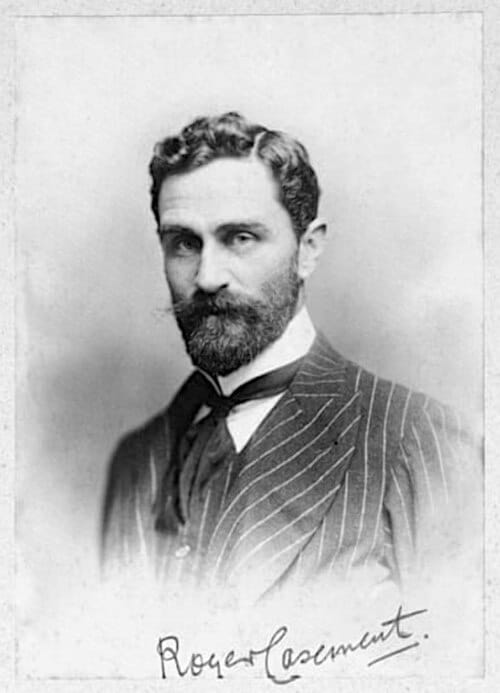
Sir Roger Casement, the British consul who had been honoured for exposing colonial atrocities in the Congo and Peru, was hanged at Pentonville Prison in London on 3 August 1916. Once celebrated as the ‘father of twentieth-century human rights investigations’, he had spent the war years seeking German military support for the Easter Rising before being arrested on the Kerry coast just days before the uprising began.

Stripped of his knighthood, he was tried and convicted of high treason. During and after the trial, British intelligence circulated typescripts of private journals, said to be in Casement’s hand, that detailed homosexual activity. The material, illegal under the laws of the time, was used to undermine calls for clemency. He was executed at 49, and the authenticity of those diaries has been disputed by scholars ever since.

Portrait of Sir Roger Casement in formal attire

⬅ See all events from 3 August

Spread the word on your favourite platform!

1589: Monk Jacques Clement Stabs King Henry III to Death in Saint-Cloud

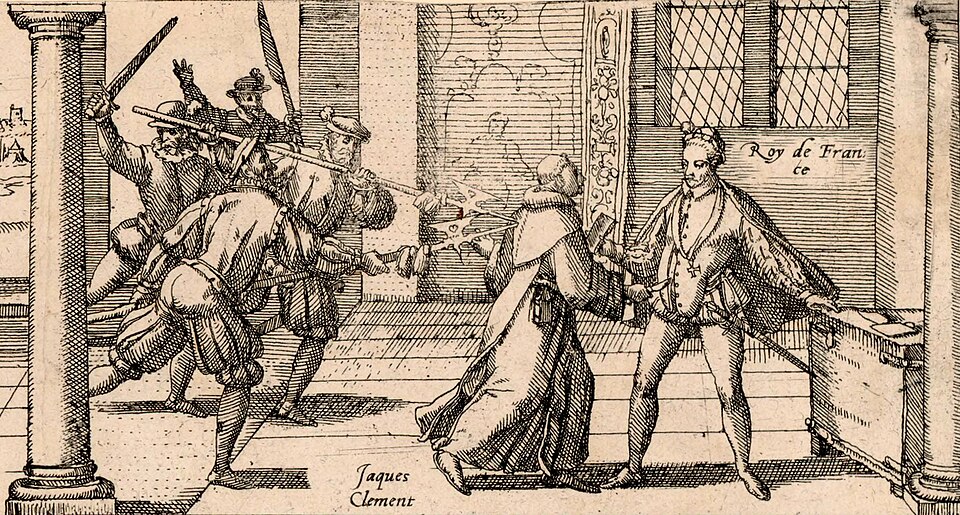
On 1 August 1589, Jacques Clement, a Dominican lay brother and zealous supporter of the Catholic League, gained an audience with King Henry III at Saint-Cloud, where the king was besieging Paris during the French Wars of Religion. Concealing a dagger beneath his cloak, Clement stabbed the king under the pretence of delivering a confidential message. The royal attendants cut Clement down immediately, but Henry III lingered until the following morning, dying after urging Henri of Navarre that conversion to Catholicism was the only path to lasting peace.

Clement, born in 1567 at Serbonnes in Burgundy, had been radicalised by League ideology and the targeted killings of its leaders, the Duke and Cardinal de Guise. His plot had the quiet blessing of Catherine de Guise, Duchess Montpensier, who saw it as righteous vengeance. The League faithful hailed him as a martyr; Royalists and Protestants condemned him as a fanatic. His corpse was posthumously quartered and burned.

Portrait of Jacques Clement assassin of King Henry III

⬅ See all events from 1 August

Spread the word on your favourite platform!
On This Day in True Crime History
1794·The First Free Settler Murdered in the Colony: Hanged at Sydney for a Parramatta Stabbing
1826·The Gun That Misfired Twice: Three Bushrangers Hanged Outside Sydney
1873·A Tearful Confession in Custody Cracked the Case: Two Men Hanged at Perth Gaol for Eating their Victim
1889·He Called It an Accident. The Jury Called It Murder: Robert Landells Hanged at Melbourne Gaol
1907·A Doctor Fooled Twice: Martha Rendell and the Second Child to Die of Diphtheria
2002·Shot Dead in His Own Bed: A Melbourne Gangland Killing Blamed on a Friend
More Crime On This Day →

Subscribe to Dark Stories

True crime stories, dark history and tour news, straight to your inbox.