1909: The Acid “Cure”: Martha Rendell Hanged at Fremantle for Poisoning Her Stepson

In Perth, Martha Rendell told neighbours her stepchildren suffered from chronic sore throats that she treated herself at home. In truth she was swabbing their throats with hydrochloric acid, a slow and agonising poisoning disguised as nursing. Her stepson Arthur Morris, 14, died of it on 8 October 1908; two of his siblings had already died the same way, but only Arthur’s death went to trial.

Convicted of his murder, Rendell was hanged at Fremantle Prison on 6 October 1909, the only woman ever executed in Western Australia.

She denied killing the children to the end, insisting she had only ever tried to cure them.

Martha Rendell
Martha Rendell

⬅ See all events from 6 October

Spread the word on your favourite platform!

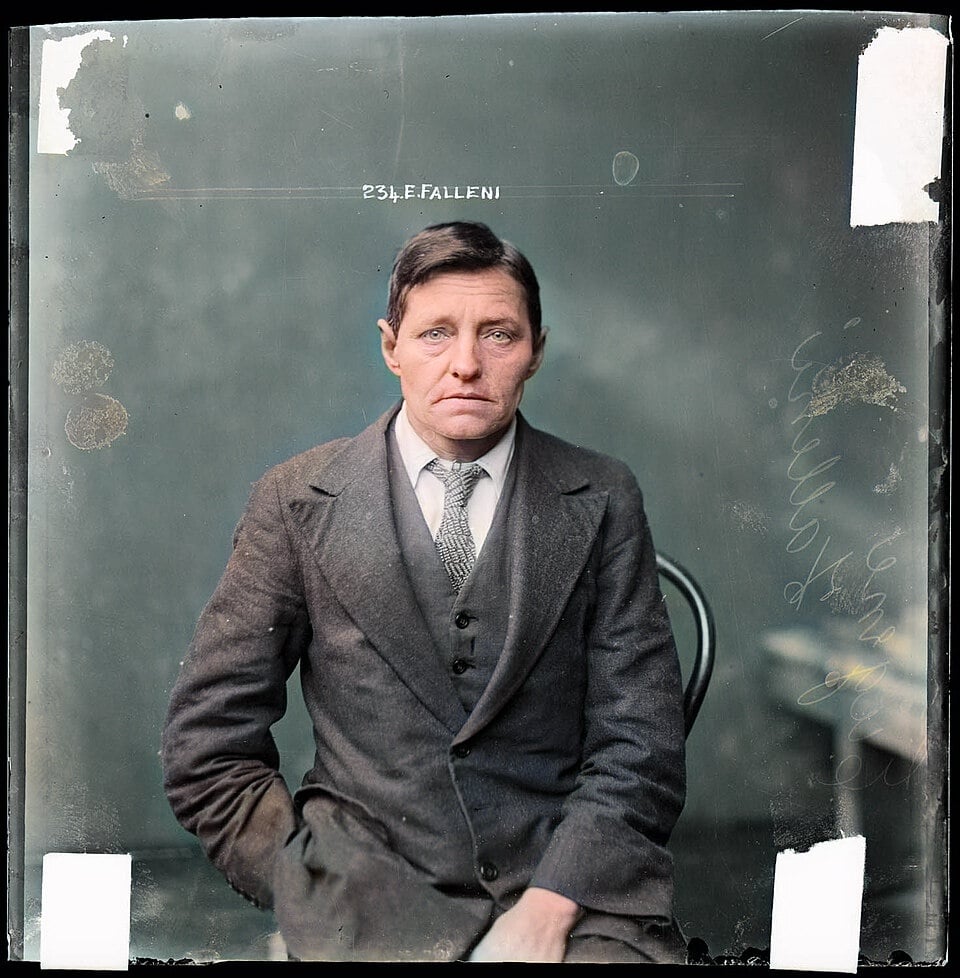
1920: A 20-Year Disguise Unravels: Eugenia Falleni Convicted of Murdering the Wife Who Never Knew

For about two decades, Eugenia Falleni lived as a man named Harry Crawford, working ordinary jobs and marrying a woman named Annie Birkett in 1913 without her ever suspecting the truth. The marriage held until Eight-Hour Day in 1917, when Birkett disappeared; her charred remains were later found in bushland near Lane Cove.

It took police years to connect Crawford to the body and to discover the deeper deception underneath. Tried at the Central Criminal Court in Sydney, Falleni was found guilty of murder and sentenced to death, a sentence later commuted to life imprisonment.

Eugenia Falleni 1920

⬅ See all events from 6 October

Spread the word on your favourite platform!

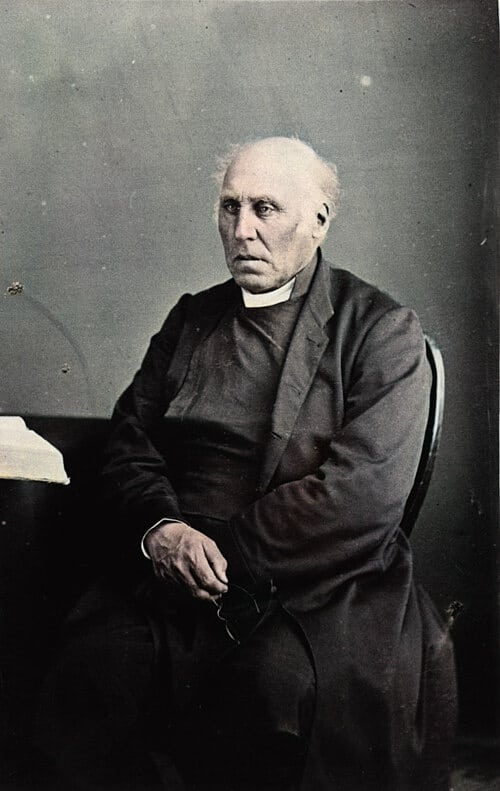
1860: A Mercy Petition Backed by the Bishop of Adelaide Could Not Save a Man From the Gallows

John Jones, a hutkeeper on a station near Mount Joy in South Australia’s remote Eyre Peninsula, was found dead in his hut in May 1860, his skull broken and the hut stripped of flour, tea and clothing. The accused was convicted at the Supreme Court in Adelaide largely on the testimony of a young companion who admitted taking part in the killing himself.

Before the execution, around 400 citizens, headed by the Lord Bishop of Adelaide, signed a memorial asking the government to remit the death sentence. He had been tried and condemned under British law newly imposed on his people, with little understanding of its workings; the petition failed regardless. He was taken back across the Eyre Peninsula and hanged at Streaky Bay on 5 October 1860, near the district where the killing had occurred

Portrait of Augustus Short

⬅ See all events from 5 October

Spread the word on your favourite platform!

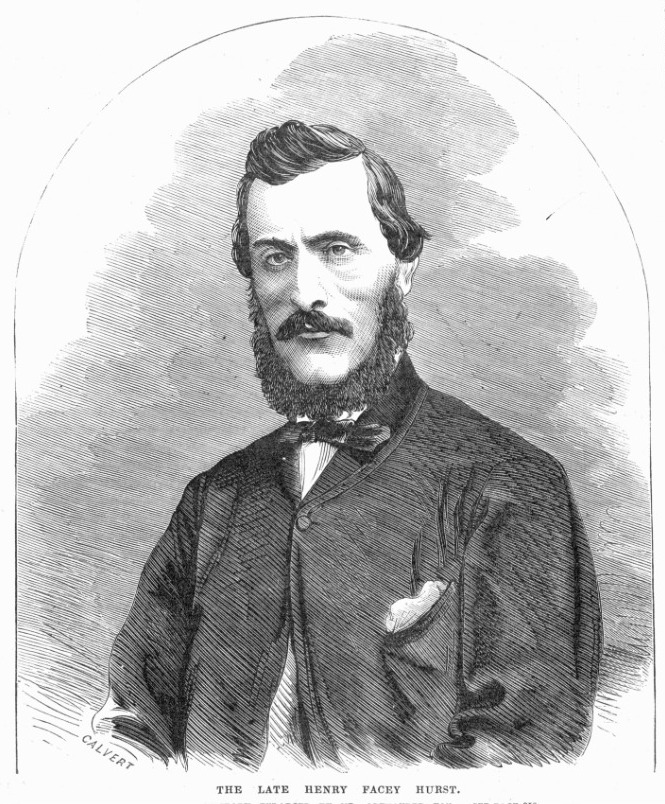
1866: He Was Fed Breakfast, Then Declared Himself a Bushranger and Shot His Host

Henry Facey Hurst, the pioneer settler after whom Hurstbridge in Victoria was later named, was feeding a hungry stranger at his station near Diamond Creek on the morning of 4 October 1866 when his sister spotted a revolver hidden under the man’s coat. Hurst quietly loaded his own gun and confronted him. Offended at what he called an insult, the stranger leapt up and announced, “I am a bushranger”: Robert Burke. Burke tried to fire first, but the cap misfired; Hurst got his shot away, and Burke then fired three rounds of his own, one tearing into Hurst’s stomach and lodging in his own leg.

Though mortally wounded, Hurst clung to Burke until a friend, Joseph Abbott, wrestled the bushranger down and tied him with a halter. Hurst bled to death that evening. Burke was convicted of wilful murder, though the jury recommended mercy on the grounds that Hurst had fired the first shot. He was hanged at Melbourne Gaol.

The late Henry Facey Hurst, engraving by Samuel Calvert, 27 October 1866. State Library Victoria, IMP27/10/66/356.

⬅ See all events from 4 October

Spread the word on your favourite platform!
On This Day in True Crime History

Subscribe to Dark Stories

True crime stories, dark history and tour news, straight to your inbox.