1923: Squizzy Taylor Walked Free While a Man Who Never Fired a Shot Hanged for a Melbourne Bank Murder

Thomas Berriman, manager of the Hawthorn branch of the Commercial Bank, was shot outside Glenferrie Station in Melbourne on this date while carrying £1,851 in bank funds to the head office. He died from the wound two weeks later.

Angus Murray was hanged for the killing, convicted as a principal even though it was his companion who actually pulled the trigger. Underworld figure Squizzy Taylor, swept up as the robbery’s alleged organiser, escaped a murder charge, convicted only of occupying a house frequented by thieves and serving six months.

The actual gunman, Richard Buckley, vanished for almost seven years before detectives traced him, bearded and living quietly, to a house in Moonee Ponds. His death sentence was commuted to life imprisonment, and in 1946, dying and in his eighties, he was released to spend his final days at home.
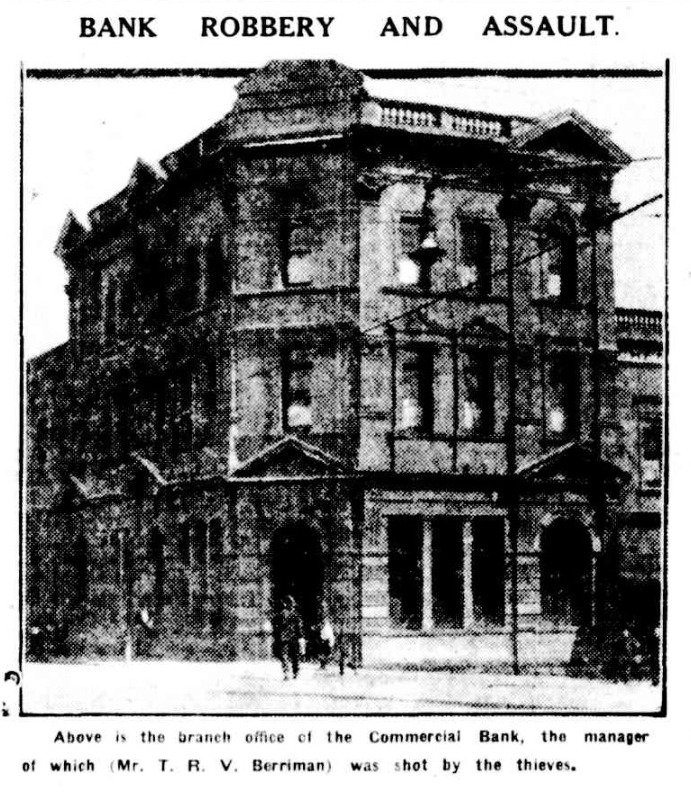

Commercial Bank branch where manager T R V Berriman was shot: 1923

⬅ See all events from 8 October

Spread the word on your favourite platform!

1803: Masked Robbers Bound a Family and Threatened to Drown Them for Money They Did Not Have

One night in May 1803, two masked men forced their way into the Hawkesbury home of Charles Palmer and his wife, clubbing both with the handle of an axe until Palmer lay senseless for two hours. They ransacked the house for money, bound the family and a child, and warned they would throw them into the river if the cash they insisted did not exist was not handed over.

Stolen clothing later surfaced in the household of a woman who said it had been given to her to mend for Thomas McLaughlane the elder and his son. Both men were convicted and sentenced to death, but only the elder went to the gallows at Hawkesbury; of eight men condemned that session he was the third actually hanged, the rest reprieved into transportation for life.

At his trial the elder McLaughlane claimed the stolen goods had come from an informer already giving evidence in another case, a claim the informer flatly denied. On the scaffold he said nothing more, meeting his end, witnesses noted, with quiet decency.

Hand of a drowning man reaching above the sea surface

⬅ See all events from 7 October

Spread the word on your favourite platform!

1536: The Price of an English Bible: William Tyndale Strangled and Burned for Heresy

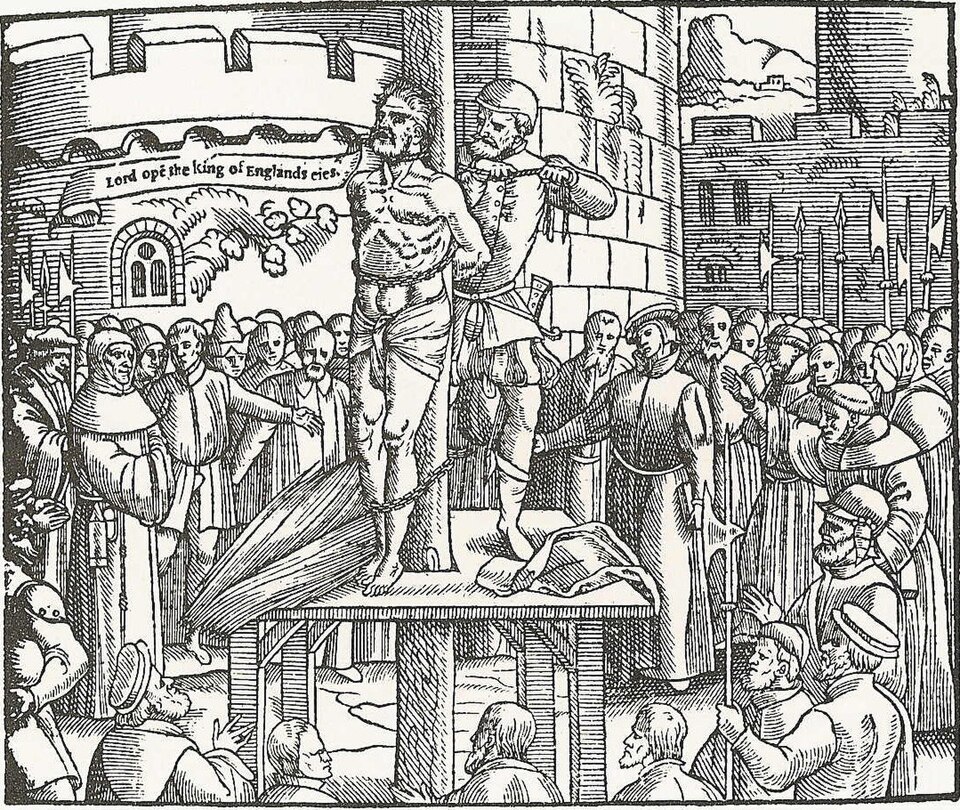
William Tyndale committed one crime: he translated the New Testament into English so ordinary readers could understand it for themselves, defying a Church that insisted scripture remain in Latin and under clerical control. Hunted across Europe by agents loyal to Henry VIII’s government, he was finally betrayed and arrested in Antwerp.

Tried for heresy, he was condemned and taken to the fortress town of Vilvorde, where in October 1536 he was strangled at the stake and his body then burned. Within a few years, an English Bible drawing heavily on his translation was being placed in every parish church in the kingdom that had killed him.

According to tradition, his final words were a prayer rather than a protest: “Lord, open the King of England’s eyes.”

Portrait of William Tyndale from Foxes Book of Martyrs

⬅ See all events from 6 October

Spread the word on your favourite platform!

1794: He Survived a Notorious Convict Voyage to Sydney, Then Was Hanged for Burglary

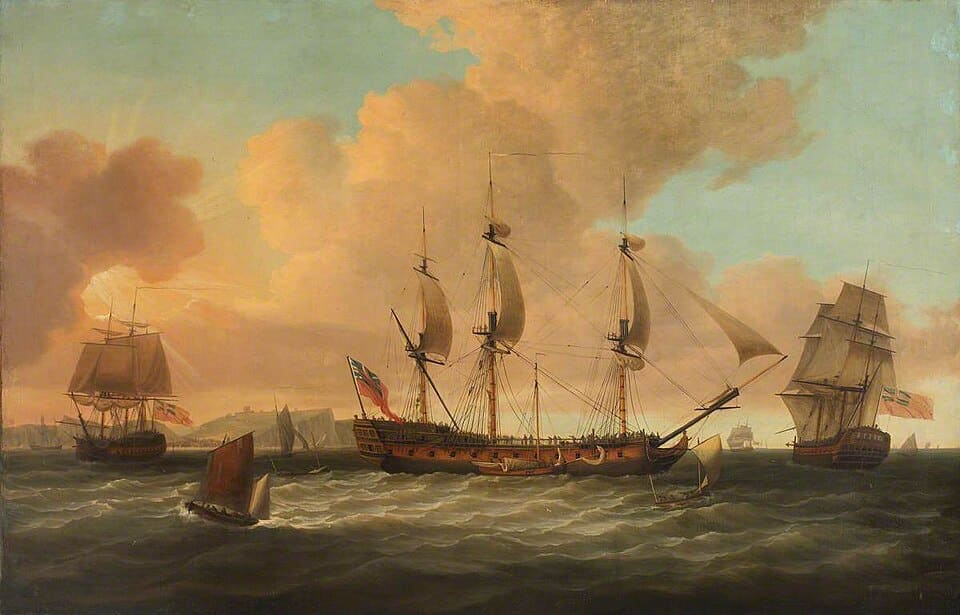
John Bevan arrived in Sydney aboard the Pitt in February 1792, after a gruelling eight-month voyage during which 29 convicts died, and many others arrived sick.

By 1794, Bevan had built a reputation for trouble in the colony and was caught in the act of breaking into the Sydney home of William Fielder. The case against him was considered overwhelming, and little time was lost: Bevan was convicted of burglary, sentenced to death and hanged on 6 October 1794.

He was buried at the old Sydney burial ground, little more than two and a half years after surviving the voyage that had brought him to New South Wales.

Painting of the East Indiaman Pitt and other sailing ships

⬅ See all events from 6 October

Spread the word on your favourite platform!
On This Day in True Crime History

Subscribe to Dark Stories

True crime stories, dark history and tour news, straight to your inbox.